 how-to
What Is the Benefit of Dry Brushing? A 2026 Guide
Table of Contents
- What Is the Benefit of Dry Brushing?
- How to Dry Brush: A Safe Step-by-Step Technique
- How Often to Dry Brush for Best Results
- Dry Brushing for Sensitive Skin: What to Know
- Choosing the Best Dry Brush for Skin
- Dry Brushing vs. Alternatives: Which Is Right for You?
- Conclusion: Realistic Expectations and Next Steps
- Frequently Asked Questions
Last Updated: October 6, 2026
What Is the Benefit of Dry Brushing?
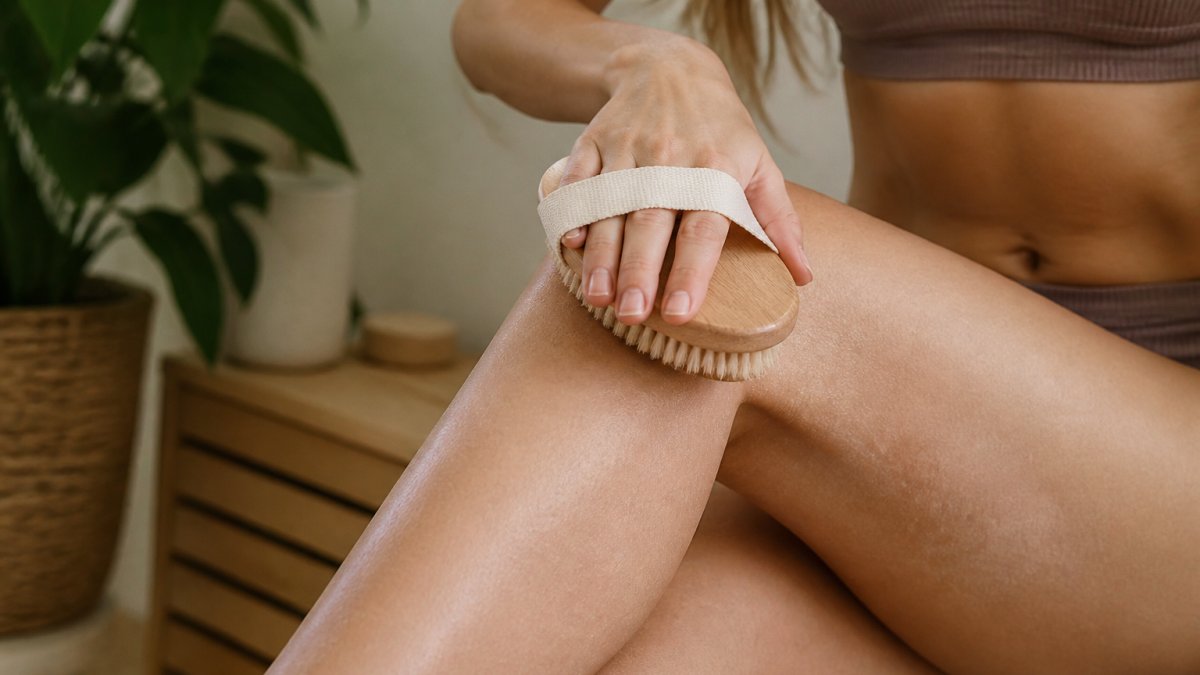
Dry brushing is stroking a stiff-bristled brush across dry skin, usually before a shower, to lift dead cells and wake up circulation. The honest answer to what is the benefit of dry brushing: it is a cheap, five-minute exfoliation habit that can leave skin softer and brighter, and that is where the proven benefits end.
Most guides get one thing wrong: they sell dry brushing as a detox tool. Your skin is not a waste-disposal system, and no brush strokes will pull toxins out of your body. The real payoff is simpler.
The Real Benefits: Exfoliation, Circulation, and Skin Tone
The two benefits with the strongest footing are exfoliation and short-term circulation.
Exfoliation is the removal of dead skin cells from the surface.
Circulation refers to blood flow near the skin's surface. Brushing creates friction, bringing blood to the area, so skin looks pink and feels warm afterward.
What you can reasonably expect:
- Smoother texture within a few uses
- A temporary glow right after brushing
- Slightly better absorption of body lotion on freshly exfoliated skin
What you should not expect:
- Firmer skin
- Permanent changes to skin tone
- Any effect on fat, muscle, or cellulite structure
Brushing cannot change skin structure, only how the surface looks and feels.
American Academy of Dermatology guidance on exfoliation
What Dry Brushing Cannot Do: Detox and Cellulite Claims
Dry brushing does not detoxify your body, and it does not remove cellulite, the two most common reasons people try it, and the two least supported.
Start with detox. Your liver and kidneys handle waste removal, and the lymphatic system moves fluid on its own through muscle movement and breathing.
Now cellulite. It is a structural issue: bands of connective tissue pull down while fat pushes up, creating the dimpled look.
How to Dry Brush: A Safe Step-by-Step Technique
A safe dry brushing routine takes about five minutes and follows one rule above all others: always brush toward your heart.

Total time: 5-7 minutes Difficulty: Beginner
What you'll need:
- A natural-bristle body brush with a long handle
- A bathroom with space to stand
- Body lotion or oil for afterward
- Start dry. Brush before you shower, on completely dry skin. Wet skin plus stiff bristles equals irritation.
- Begin at your feet. Brush each foot and ankle in short upward strokes.
- Move up your legs. Work from ankle to knee, then knee to thigh, always upward. Spend about one minute per leg.
- Brush your arms. Start at your hands and work toward your shoulders.
- Cover your stomach and back. Use light, circular strokes on your stomach. Brush your back toward your shoulders.
- Skip your face and any irritated areas. The skin there is too thin for a body brush.
- Shower and moisturize. Rinse off the loosened cells, then apply lotion within a few minutes.
Pressure matters more than speed. Use light strokes, a gentle tingle, not a scrape. If skin turns red and stays that way, you pressed too hard.
Expected result: Softer skin and a light pink flush that fades within minutes.
How Often to Dry Brush for Best Results
Two to three times per week is the sweet spot for most people. Daily brushing raises irritation risk and does not add much.
Exfoliation removes the top layer of dead cells, and that layer needs time to rebuild. Brush daily and you strip it faster than skin can replace it, causing redness, stinging, and rough texture.
A workable schedule:
- Beginners: once per week for the first two weeks
- Most people: two to three times per week
- Tolerant skin: up to five times per week, if skin stays calm
Watch for these signs that you are overdoing it:
- Lasting redness after brushing
- Stinging when you apply lotion
- Flaky or tight-feeling skin
If any show up, cut back to once a week or pause for a few days to let skin recover.
Dry Brushing for Sensitive Skin: What to Know
Dry brushing for sensitive skin is possible, but it needs a lighter touch, a softer brush, and a clear-eyed understanding of what your skin barrier can tolerate. For some people, it is simply the wrong habit.
Why sensitive skin reacts differently
The outermost layer of your skin, the stratum corneum, works as a barrier, holding water in and keeping irritants, allergens, and microbes out. It is built from flattened skin cells packed in lipids including ceramides, cholesterol, and fatty acids. When intact, mechanical exfoliation is usually well tolerated.
Two people can use the same brush and get opposite results: the variable is barrier integrity, not willpower or technique.
A severity-based way to decide
Rather than a flat yes-or-no, sort yourself into one of three groups.
- Green light, normal, resilient skin: No active flare, no prescription topicals, no recent sunburn. Standard dry brushing at two to three times per week is reasonable.
- Yellow light, reactive or dry skin: Occasional redness, tightness after showering, or sensitivity to fragranced products. If you try it at all, use a soft natural-bristle brush, the lightest pressure that still moves the brush, and start at once every ten days. Stop at the first sign of stinging.
- Red light, skip it: Active eczema, psoriasis, or dermatitis; sunburn; open cuts, scrapes, or healing wounds; a skin infection, boil, or spreading rash; or prescription retinoids or strong body acids in your current routine. In these cases, mechanical exfoliation works against the barrier your skin is trying to rebuild.
If you are in the red-light group and still want smoother skin, the safer path is a gentle chemical exfoliant (such as a low-strength lactic or salicylic acid body lotion) or consistent moisturizing, not a stiff brush.
How to test tolerance before committing
Do a patch test rather than brushing your whole body on day one.
- Pick a small area, the outer forearm or the side of one calf.
- Brush lightly for about ten seconds.
- Wait 24 hours.
- Check for lasting redness, stinging, itching, or small bumps.
If the patch is calm, expand to one limb next session. If it reacts, stop. A reaction on a two-inch patch is a cheaper lesson than one across your torso.
What reactions mean and when to stop
Not every pink flush is a problem.
- Mild pink flush that fades within minutes: normal. This is the temporary circulation effect, not damage.
- Redness that lasts for hours: you pressed too hard, brushed too often, or your barrier is already stressed. Pause for several days.
- Stinging or burning when you apply lotion afterward: a classic sign of a compromised barrier. Stop dry brushing for at least a week and moisturize gently.
When to ask a clinician
Ask a dermatologist or primary care clinician before starting dry brushing if you have a diagnosed skin condition, are pregnant with new skin sensitivity, use prescription retinoids or acids on your body, have diabetes or a condition affecting wound healing, or have skin that is broken, infected, or slow to heal. This is the difference between a five-minute habit and a multi-week flare-up.
Choosing the Best Dry Brush for Skin
The best dry brush for your skin is the one that exfoliates without scratching, down to four things: bristle material, bristle stiffness, brush shape, and care.
Bristle material: natural vs. synthetic
- Natural bristles (boar, sisal, or plant-derived fibers) have tapered tips that flex against the skin, feeling firm but not scratchy. They absorb moisture, so they need to dry thoroughly between uses.
- Synthetic bristles (often nylon) are more uniform, durable, and fast-drying, but stiffer tips can feel scratchier on thin or reactive skin. Softer synthetic options work well for sensitive users.
Neither material is automatically better. Test how bristles feel on your inner wrist, not your palm, which is far less sensitive.
Bristle stiffness: match it to your skin, not the marketing
Stiffness is the single biggest factor in whether dry brushing feels good or feels like sandpaper.
- Soft: best for sensitive, dry, or reactive skin, and for anyone new to the habit.
- Medium: the everyday choice for most people with resilient skin.
- Firm: only for tolerant skin on thicker areas like the soles and legs. Firm bristles on the chest, neck, or inner arms are a common cause of irritation.
A useful rule: if the brush feels scratchy on your inner wrist, it will feel worse on your torso.
Shape and handle: reach and control
- Long handle: reaches your back and the backs of your legs without straining. A detachable head is convenient for travel.
- Palm-sized head: covers more skin per stroke and is easier to control.
- Oval or rounded head: follows body curves better than a square one.
Care: cleaning, drying, and storage
A dry brush collects dead skin cells, oils, and moisture. Left damp, it becomes a place for microbes to grow.
- After each use: tap the bristles over a trash can to knock out loosened skin cells.
- Weekly: wash the bristles with a small amount of mild soap and warm water. Work it through the bristles with your fingers, then rinse thoroughly.
- Dry bristle-side down: shake out excess water and stand or hang the brush so air reaches the bristles. Never lay it flat on a wet surface.
- Never soak it: prolonged soaking breaks down natural bristles and the adhesive holding them in the base.
- Keep it out of the shower: constant humidity shortens the brush's life and encourages microbial growth.
When to replace it
Replace your brush every three to four months, or sooner if these appear:
- Bristles splay outward and no longer exfoliate evenly
- Bristles shed noticeably during use
- The brush develops a musty or sour smell that does not wash out
A splayed brush can scratch unevenly and trap more debris. Replacement is inexpensive and worth doing on schedule.
A quick buying checklist
- Bristles feel soft-to-medium on your inner wrist
- Handle is long enough to reach your back
- Head is palm-sized and rounded
When you are ready to pick one up, browse the skin care collection at Green Vitality USA for body brushes and the lotions to use afterward.
Dry Brushing vs. Alternatives: Which Is Right for You?
Dry brushing is one option among several, and not the best fit for everyone.
- Dry brushing: Best for a quick pre-shower routine and full-body coverage. Cheapest option. Requires the most technique to avoid irritation.
- Body scrubs: Best for people who want exfoliation with less risk. Easier to control pressure. Messier and needs repurchasing.
- Exfoliating mitts: Best for travel and small spaces. Compact and easy to clean. Harder to reach your back.
The pattern is clear: dry brushing wins on cost and coverage, loses on gentleness. If your skin is reactive, a scrub or chemical exfoliant will treat you better.
Cleveland Clinic overview of body exfoliation methods
Conclusion: Realistic Expectations and Next Steps
Dry brushing is a small, cheap habit with a modest payoff. It exfoliates, boosts circulation for a few minutes, and can leave skin softer and brighter.
Start slow: brush two to three times a week, use light pressure, and give your skin a break the moment it complains.
At Green Vitality USA, we stock body brushes, lotions, and skin care essentials so you can build a routine that fits your skin.
Frequently Asked Questions
What are the benefits of dry brushing?
Dry brushing offers several benefits: it exfoliates by removing dead skin cells, which can leave skin feeling softer and smoother. The friction also boosts circulation, bringing blood flow to the skin's surface and giving a temporary glow. However, claims about detoxification are not supported by science. For best results, use gentle pressure and a natural bristle brush.
How often should you dry brush your skin?
For most people, dry brushing 2 to 3 times per week is sufficient. If your skin is sensitive, start once a week and gradually increase. Daily brushing is generally safe for resilient skin, but overdoing it can cause irritation. Each session should last 5 to 7 minutes. Always brush before showering to rinse away loosened dead skin cells. Listen to your skin: if it becomes red, raw, or irritated, reduce frequency or stop. Consistency matters more than intensity for seeing benefits like smoother skin and improved circulation.
Is dry brushing safe for sensitive skin?
Dry brushing can be safe for sensitive skin if you take precautions. Choose a brush with soft, natural bristles and use very light pressure. Start with once-weekly sessions and avoid areas with active eczema, sunburn, or broken skin. Always brush before showering and follow with a gentle moisturizer. If you experience persistent redness, stinging, or irritation, stop and consult a dermatologist. For very sensitive skin, alternatives like a soft washcloth or chemical exfoliants may be better tolerated. Patch-test on a small area first.
What kind of brush should you use for dry brushing?
Look for a brush with natural bristles, such as boar, sisal, or cactus, and a long handle to reach your back. Firm bristles suit resilient skin, while soft bristles are better for sensitive skin. A brush with a strap on the back helps with grip. Clean your brush weekly with mild soap and warm water. Store it dry to prevent bacteria growth.
Dry brushing rewards patience more than effort. Build the habit slowly, watch how your skin responds, and adjust from there. Green Vitality USA makes it easy to find a quality brush, a gentle lotion, and the rest of your self-care routine in one place, with fast delivery and prices that fit a real budget. Get started with Green Vitality USA and give your skin a routine it can actually tolerate.