 how-to
How to Verify Supplement Quality Certifications
Table of Contents
- Why Verifying Supplement Quality Certifications Matters
- Understanding Third-Party Supplement Testing
- NSF Certified Dietary Supplements: What the Mark Means
- USP Verified Supplements: Checking for This Certification
- Informed Choice Supplement Testing and Athlete Certification
- Step-by-Step Verification Workflow for Any Supplement
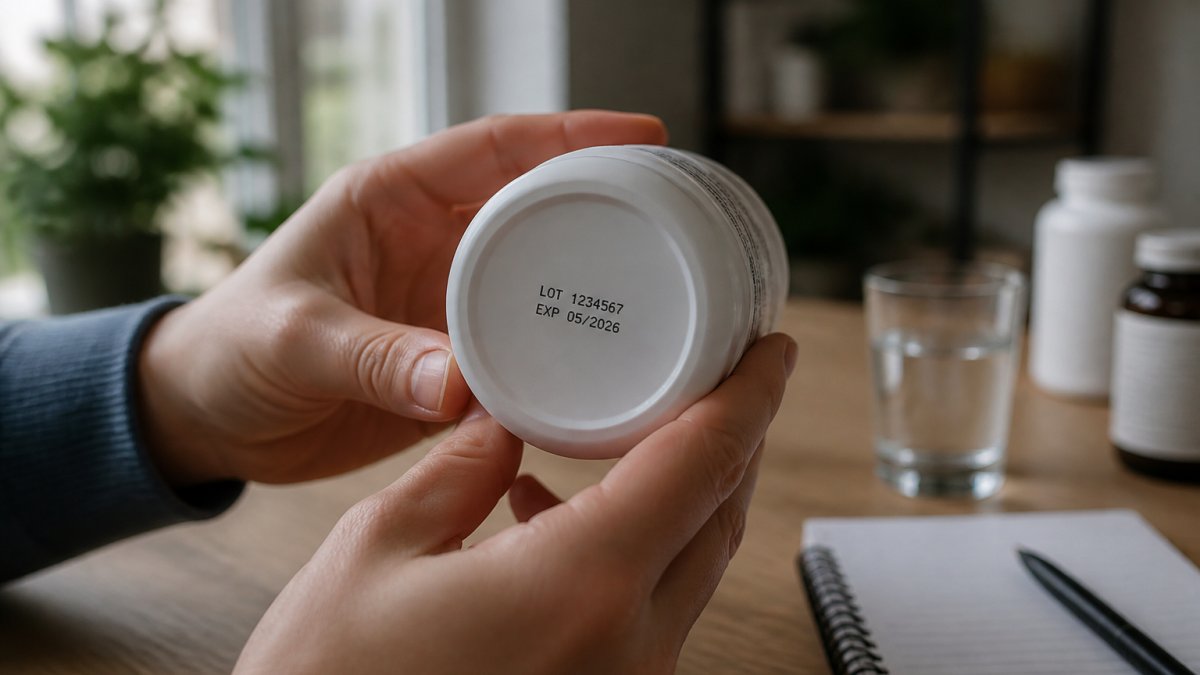
- Step 1: Identify the exact product, lot, and date code
- Step 2: Confirm the mark is a real, current seal
- Step 3: Search the certifier's own database, not the brand's site
- Step 4: Read the certificate of analysis like an auditor
- Step 5: Cross-check the label against the COA and the database
- Step 6: Save the evidence
- How to Detect Counterfeit or Misleading Certification Claims
- Lot and Batch-Level Verification: Going Deeper
- Frequently Asked Questions
Last Updated: October 12, 2026
Why Verifying Supplement Quality Certifications Matters
Buying supplements online can feel risky. You can't hold the product, ask questions, or see how it's made. That's why you need to verify supplement quality certifications. A certification mark on a label tells you that an independent organization has tested the product and verified it meets specific standards for quality, purity, and safety.
When you verify supplement quality certifications, you're checking that a third party, not the company selling the product, has done the work to confirm what's actually in the bottle matches what the label claims. This step protects you from counterfeit products, mislabeled ingredients, and contaminants that could harm your health.
Without verification, you're trusting only the manufacturer's word. With it, you have independent proof. The difference is significant, especially for wellness products you're putting into your body regularly.
Understanding Third-Party Supplement Testing
Third-party testing means an independent laboratory, one with no financial stake in the product's success, tests the supplement. These labs check for several things: ingredient identity, potency (how much of each ingredient is actually present), purity (whether harmful substances are absent), and sometimes banned substances for athletes.
Independent testing laboratories operate separately from manufacturers. They follow strict protocols and quality standards. When a lab tests a supplement, they produce a certificate of analysis. This document shows exactly what they found in the product.
Many supplement companies claim their products are "tested," but that often means they tested it themselves. Third-party testing is different. It's more trustworthy because the lab has no reason to hide problems.
NSF Certified Dietary Supplements: What the Mark Means
NSF International is one of the largest independent testing organizations in the United States. When a supplement carries the NSF Certified Dietary Supplements mark, it means NSF has tested the product and verified three key things:
- The label accurately lists all ingredients and their amounts
- The product contains no harmful contaminants
- The manufacturing facility follows good manufacturing practices
The NSF mark is circular and blue. You'll see it on the label along with the NSF logo. This certification applies to the specific product and batch tested, not the entire product line.
NSF certification is rigorous. The organization tests randomly selected batches from the manufacturer. If a batch fails, NSF investigates why before allowing the product back on shelves. This ongoing oversight is what makes the mark valuable.
USP Verified Supplements: Checking for This Certification
USP stands for United States Pharmacopeia. USP Verified supplements have passed testing for ingredient identity, strength, purity, and manufacturing consistency. The USP Verified mark looks different from NSF's, it's a hexagon shape with "USP Verified" written inside.
USP has been setting standards for medicines and supplements since 1820. Their testing is thorough. A supplement earning the USP Verified mark has proven that what's on the label is actually in the bottle, in the right amounts, and free of harmful contaminants.
USP also tests for disintegration and dissolution. This means they verify that the supplement will break down in your digestive system so your body can actually absorb it. A pill that doesn't dissolve is useless, your body can't use what it can't absorb.
Like NSF, USP tests batches over time. A USP Verified product today may differ from the same product tested years ago. Always verify the current batch in the USP database.
Informed Choice Supplement Testing and Athlete Certification
Informed Choice is a certification program specifically designed for athletes and sports supplements. The program tests for banned substances that could trigger a positive drug test in competition. This matters if you compete in organized sports or use supplements for athletic performance.
Informed Choice testing covers more than 200 banned substances. The organization tests the finished product and the raw ingredients. They also test the manufacturing facility to check for cross-contamination risks.
The Informed Choice mark is a circle with a checkmark. You'll see it on sports nutrition products like protein powders, pre-workout supplements, and recovery drinks. If you're an athlete, this certification is especially valuable because it gives you proof that the supplement doesn't contain anything that would violate your sport's rules.
Informed Choice also requires manufacturers to test every batch before it ships. This is stricter than some other certifications, which may test randomly selected batches instead. For athletes, this extra layer matters.
Step-by-Step Verification Workflow for Any Supplement
Verifying a certification is a document-matching exercise, not a vibe check. The goal is to connect three things: the physical bottle in your hand, a current listing in the certifier's own database, and a lab document that names your lot. If any link in that chain is missing, you have not verified anything. Here is the sequence.
Step 1: Identify the exact product, lot, and date code
Start by writing down four things from the physical label:
- Brand and exact product name (including flavor or variant, "Vanilla" and "Chocolate" are different SKUs)
- Lot number (sometimes labeled "Lot," "LOT," "Batch," or a stamped code near the expiration date)
- Expiration or best-by date
- Size and form (60 capsules vs. 120 capsules; powder vs. tablet)
Lot codes are not standardized. A common pattern is a letter for the plant, digits for the production date, and a suffix for the shift or line, for example, L23A118 might mean plant L, made on the 118th day of 2023, first shift. You do not need to decode it. You only need to copy it exactly, including any letters that look like numbers (a capital O vs. zero, a capital I vs. one). A single character error will make a real certification look fake in a database search.
Step 2: Confirm the mark is a real, current seal
Look at the front panel first, then the back. A legitimate certification is printed as part of the label artwork, it is not a sticker applied after the fact, and it is not only shown on the brand's website.
Common seals you may see:
- NSF Certified for Sport or NSF Certified Dietary Supplements, a blue circular mark
- USP Verified, a hexagon containing the words "USP Verified"
- Informed Choice or Informed Sport, a circular mark with a checkmark
- BSCG Certified Drug Free, a distinct program with its own seal
A seal by itself proves nothing. Counterfeit and look-alike marks exist, and some brands use their own in-house "quality" badges that mimic the shape and color of a real certification. The next step is what separates a real seal from decoration.
Step 3: Search the certifier's own database, not the brand's site
Go directly to the certifying organization's website. Do not use the brand's product page, a retailer listing, or a search engine result that claims certification. Only the certifier's database is authoritative.
NSF certified products database USP Verified dietary supplements list Informed Choice certified products search
Search by brand and product name first. Then narrow by lot if the database supports it. What you are looking for is a listing that matches all of the following:
- The brand and product name match exactly
- The size and form match (a 60-count bottle is a different listing than a 120-count)
- The certification is current, not expired, suspended, or marked "discontinued"
- The lot or date range includes your bottle, if the database lists lots
If the product appears but your lot does not, you have not verified your bottle. You have verified that some bottles of that product were certified at some point. That is a meaningful difference.
Step 4: Read the certificate of analysis like an auditor
A certificate of analysis (COA) is the lab report behind the certification. When you can obtain one, read it for these fields, not just the word "Pass":
- Product and lot identified on the COA. The COA must name the same product and the same lot as your bottle. A COA for a different lot tells you nothing about yours.
- Testing laboratory name and location. The lab should be independent of the manufacturer. If the "lab" is the manufacturer's own in-house QC department, it is not third-party testing.
- Date of analysis. A COA from several years ago does not describe a bottle made last month. Match the analysis date to the production window of your lot.
- Analytes tested. Look for identity, potency (assay), and a contaminant panel, heavy metals (lead, arsenic, cadmium, mercury), microbials (total aerobic count, yeast and mold, E. coli, Salmonella), and, for sports products, a banned-substance panel.
- Results vs. specification. Each analyte should show a measured result and a specification or limit. "Lead: <0.5 ppm (spec: <1 ppm)" is a real result. A COA that only says "Pass" with no numbers is not useful.
- Method references. Look for method names or standard references (for example, USP <2232> for elemental contaminants or USP <2021> for microbial limits). Method citations signal a real analytical report.
- Detection limits. For contaminants, the reporting limit matters. "Not detected" at a limit of 10 ppm is weaker evidence than "not detected" at 0.1 ppm.
Step 5: Cross-check the label against the COA and the database
Line up three documents side by side: the physical label, the certifier's database entry, and the COA.
- Every active ingredient on the label should appear on the COA with a measured amount.
- The measured potency should fall within the label claim and the specification.
- The lot on the COA should match the lot on the bottle.
- The product name and size on the database entry should match the bottle.
A common pattern is a formula change: the brand reformulates, updates the website, but the bottle in your hand still carries the old label and the old lot. In that case the certification may be real but may apply to a formula you are not holding. When the three documents disagree, treat the product as unverified until the manufacturer or certifier resolves the mismatch in writing.
Step 6: Save the evidence
Screenshot the database listing, save the COA PDF, and photograph the label and lot code. Keep them with your receipt. If a recall or a certification suspension is announced later, you will be able to check your specific bottle in minutes instead of guessing. This is also the fastest way to file a report with the manufacturer or a regulator if you find a fake mark.
How to Detect Counterfeit or Misleading Certification Claims
Most misleading certification claims are not forgeries. They are technically true statements arranged to imply something the brand never proved. Learning to separate a real certification from a marketing claim is the single highest-value verification skill, because it catches the majority of cases that a database search alone will miss.
The three tiers of "tested" claims
Sort every claim you see into one of three tiers:
Tier 1, Certified by a named third party. The label names a specific certifier (NSF, USP, Informed Choice, BSCG, or similar) and the product appears in that certifier's own database with a current listing. This is the only tier that gives you independent verification.
Tier 2, Tested by a named lab, but not certified. The brand says a specific independent lab ran tests, and a COA exists. This is better than nothing, but it is not a certification. No certifier is auditing the facility, no ongoing batch surveillance is happening, and the brand chose which lot to test and which results to publish. A Tier 2 claim can be entirely honest and still tell you nothing about the bottle in your hand.
Tier 3, Unnamed "tested" or "quality" language. Phrases like "lab tested," "third-party tested," "quality assured," "GMP compliant," "pharmaceutical grade," or "clinically studied ingredients" without a named certifier or lab. These are marketing claims. "GMP compliant" in particular means the facility claims to follow good manufacturing practice regulations, it does not mean any independent body verified the product's contents.
How to validate a seal instead of eyeballing it
Visual comparison is unreliable, counterfeiters copy fonts and colors well. Validate the seal by its behavior, not its appearance:
- Trace the seal back to a named organization. Every legitimate seal corresponds to a specific certifier with a public database. If you cannot name the organization and find the product in its database, the seal is decorative.
- Check the seal against the certifier's official artwork. Certifiers publish their current mark on their own site. Compare shape, wording, and any certification number. Look-alike marks often use a similar shape (a circle, a hexagon) with slightly different wording, "Verified Quality" instead of "USP Verified," for example.
- Look for a certification or listing number. Many programs print a unique identifier on the label or in the COA. If a number is present, it should resolve to a specific listing in the certifier's database.
- Confirm the seal is on the physical label. A mark that appears only on the brand's website, in an Amazon listing image, or in an influencer post, but not on the bottle you received, is not a certification of your product.
- Check whether the seal is current. Certifications can be suspended, expired, or withdrawn. A seal printed on a label can outlive the certification it represents. The database, not the label, tells you the current status.
Red flags that survive a database search
Even when a product appears in a certifier's database, these patterns should slow you down:
- The listing covers a different lot. The product is certified, but your lot is not listed. Your bottle is unverified.
- The listing covers a different size or form. A certified 30-serving tub does not certify the 60-serving tub.
- The COA is older than the lot. A COA dated before your bottle was manufactured cannot describe your bottle.
- The COA names the manufacturer's own lab. In-house testing is not third-party testing, even when the report looks official.
- The COA reports only "Pass." No analytes, no numbers, no detection limits. This is a summary, not an analytical report.
- The brand's badge mimics a certifier's mark. Compare against the certifier's published artwork before trusting it.
- The claim is about ingredients, not the finished product. "Made with clinically studied ingredients" says nothing about whether those ingredients are present at the studied dose in the finished bottle.
What to do when you find a fake or misleading claim
If the certifier's database has no record, the seal does not match the certifier's official mark, or the COA does not name your lot, take these steps:
- Contact the certifier directly. Certifiers want to know about misuse of their marks and can confirm whether a product is genuinely certified.
- Contact the manufacturer in writing and ask for the lot-specific COA and the certification listing number. A legitimate brand can produce both quickly.
- Report the product to the certifier and, if you believe the label is fraudulent, to the appropriate regulator. The FDA accepts reports of mislabeled or adulterated dietary supplements through its consumer complaint process, and the FTC handles deceptive advertising claims.
- Return or discard the product if you cannot resolve the mismatch. An unverified bottle is not worth the risk when verified alternatives exist.
Lot and Batch-Level Verification: Going Deeper
A batch number identifies a specific production run. All supplements from the same batch were made at the same time, from the same ingredients, in the same facility. If one batch is contaminated, others might not be.
This matters because certification databases often list products by batch. You might find that the product is certified, but your specific batch isn't listed yet or has been removed due to a recall.
Check the lot number on your bottle. Search the certification database for that specific lot. If it's not listed, contact the manufacturer and ask why. They should be able to explain whether the batch is in the queue for testing, was tested under a different code, or hasn't been tested yet.
Some manufacturers test every batch before shipping. Others test random samples. If you want maximum assurance, choose products from companies that test every batch. This information is sometimes listed on the label or available by contacting the company.
Verifying supplement quality certifications takes effort, but it's the most reliable way to confirm you're buying what you think you're buying. Start with the certification mark, search the database, and check the certificate of analysis. These three steps take minutes but give you real confidence in your purchase. Shop with confidence by taking the time to verify before you buy.
Frequently Asked Questions
What does NSF certification mean for dietary supplements?
NSF certification means an independent laboratory has tested the supplement to verify that it contains the ingredients listed on the label in the declared amounts, and that it is free from harmful contaminants. NSF-certified products have been screened for purity, potency, and manufacturing consistency. The NSF mark indicates the product meets rigorous quality standards, but certification does not guarantee safety or effectiveness for treating or preventing disease, only that the product is what the label says it is.
How can you verify that a supplement is listed in a certification database?
Visit the certification organization's official website (NSF, USP, or Informed Choice) and use their product search tool. Enter the product name, brand, or lot number. A legitimate certified product will appear in their searchable database with matching batch information. If the product does not appear in the official database, the certification claim may be false or outdated. Always search the certifier's own website, not third-party sites, to avoid counterfeit listings.
Does third-party testing guarantee that a supplement is safe or effective?
No. Third-party testing verifies ingredient identity, potency, and purity, it does not prove the supplement will work for you or prevent disease. Testing confirms the product matches its label and is free from banned substances and contaminants, which reduces risk. However, safety and effectiveness depend on your individual health, dosage, and how the supplement interacts with medications or other products you use. Always consult a healthcare provider before starting any new supplement.
How can you tell whether a supplement certification logo is legitimate?
Check the certification organization's official website to see what their mark looks like and verify the logo matches exactly. Counterfeit logos may have slightly different colors, fonts, or wording. Legitimate marks include NSF Certified for Sport, USP Verified, and Informed Choice. If a logo looks unusual or you cannot find it on the certifier's website, it is likely fake. Always verify the product in the official database before trusting the mark.