 blog
blog
Is Silk Pillowcase Good for Skin Health?
Table of Contents
- How Silk Pillowcases Benefit Your Skin
- Silk vs. Satin Pillowcase for Skin
- Best Pillowcase Material for Acne-Prone Skin
- How to Wash Silk Pillowcase to Preserve Skin Benefits
- Wrinkle Prevention and Anti-Aging Effects
- What Dermatologists Say About Silk Pillowcases
- Long-Term vs. Short-Term Results
- Frequently Asked Questions
Last Updated: September 27, 2026
How Silk Pillowcases Benefit Your Skin
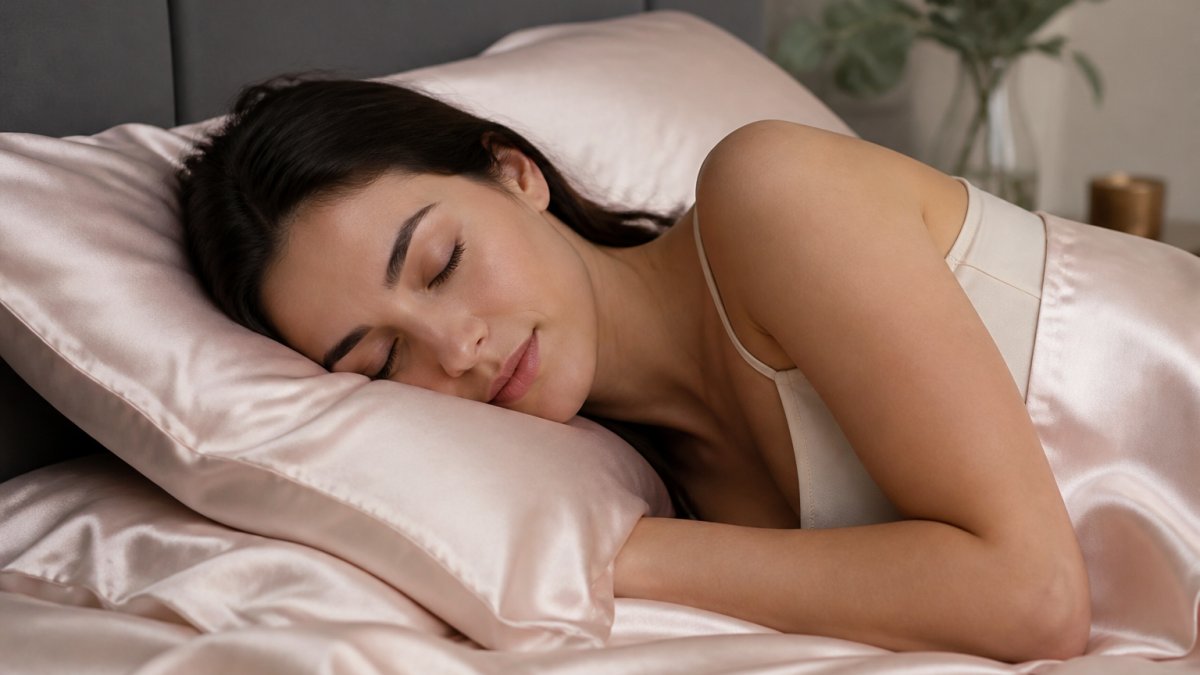
Whether is silk pillowcase good for skin health depends on multiple factors, but it is primarily because it reduces friction between your face and the bedding material. When you sleep on rough cotton or synthetic fabrics, your skin experiences constant mechanical irritation. Silk's smooth surface minimizes this contact stress, which can help prevent creasing and irritation over time.

The benefits extend beyond just comfort. Silk naturally retains moisture better than cotton, which means your skin stays hydrated throughout the night. This is especially important for people with dry or dehydrated skin, where cotton pillowcases can actually absorb moisture from your face.
Friction Reduction and Mechanical Irritation
Friction is one of the biggest culprits behind sleep-related skin damage. Cotton pillowcases create drag as you move during sleep. This constant rubbing can break down skin elasticity and contribute to fine lines over time.
Silk provides a frictionless surface. Your skin glides smoothly instead of being pulled and tugged. This matters most on your cheeks, forehead, and chin, the areas that spend the most time in contact with your pillow.
Mechanical irritation from rough fabrics can also trigger inflammation in sensitive skin. If you wake up with red marks or irritated patches, your pillowcase might be the culprit. Switching to silk can reduce this type of irritation within days.
Moisture Retention and Skin Hydration
Your skin loses moisture during sleep, especially in dry climates or heated rooms. Cotton absorbs this moisture, pulling it away from your skin. Silk does the opposite, it helps your skin retain its natural moisture barrier.
This matters for your nighttime skincare routine. If you apply serums, moisturizers, or other hydrating products before bed, silk helps keep them on your skin instead of transferring to your pillowcase. Your expensive skincare products work better when they stay where you put them.
Dehydrated skin looks dull and shows fine lines more prominently. By maintaining skin hydration overnight, you wake up with a plumper, more refreshed complexion. This effect is most noticeable during the first week of switching to silk.
Hypoallergenic Properties for Sensitive Skin
Silk is naturally hypoallergenic, meaning it's less likely to trigger allergic reactions or irritation. Unlike synthetic fabrics that can harbor dust mites and bacteria, silk's protein structure resists these allergens.
People with sensitive skin, eczema, or rosacea often see improvements after switching to silk. The fabric doesn't irritate already-inflamed skin the way rougher materials do. It's gentle enough for reactive skin types while still providing the friction-reduction benefits.
Silk also doesn't require harsh chemical treatments to maintain its properties. This means fewer synthetic residues transferring to your skin overnight. For anyone with a compromised skin barrier or chemical sensitivities, this matters.
Silk vs. Satin Pillowcase for Skin
The choice between silk and satin comes down to durability, cost, and specific skin goals. Both reduce friction compared to cotton, but they have important differences.
Satin is a weave pattern, not a fiber type. Polyester satin mimics some of silk's smooth properties at a lower price point. However, polyester doesn't retain moisture the way silk does. It's also less breathable, which can trap heat and sweat against your skin.
Real silk is a natural protein fiber with superior moisture-wicking properties. It regulates temperature better, keeping you cool in summer and warm in winter. Silk also lasts longer, a quality silk pillowcase can maintain its benefits for years, while satin tends to degrade faster.
For acne-prone or dehydrated skin, silk is the better choice. For budget-conscious shoppers willing to compromise on longevity, satin offers some benefits at a lower cost. Neither material is inherently bad, it depends on your priorities and skin type.
Green Vitality USA offers a curated selection of high-quality health, beauty, and wellness products designed to enhance your daily routine. Our mission is to provide a fast, user-friendly, and customer-focused shopping experience that brings premium goods directly to your door. With a commitment to affordability and excellence, we serve customers looking for reliable solutions in relaxation, skin care, hair care, and fitness.
Best Pillowcase Material for Acne-Prone Skin
Acne-prone skin needs a pillowcase that won't trap bacteria, oil, or sweat. Silk checks all these boxes. Its smooth surface prevents the buildup of dead skin cells that cotton absorbs. This reduces the environment where acne-causing bacteria thrive.
Cotton pillowcases trap sebum and bacteria against your skin. You're essentially pressing your face into a petri dish of oil and microbes every night. Silk doesn't absorb these substances the same way, so they don't accumulate on the surface.
Your pillowcase should be washed weekly if you have acne-prone skin. Silk is easier to clean than cotton and dries faster, making frequent washing practical. A clean pillowcase is one of the simplest acne-prevention strategies most people overlook.
Why Silk Reduces Pore Clogging
Pore clogging happens when dead skin cells, oil, and bacteria accumulate on your skin surface. Cotton absorbs oil from your face, then releases it back slowly throughout the night. This creates a moist environment where bacteria multiply.
Silk doesn't absorb oil the way cotton does. This prevents the buildup that leads to clogged pores. Your skin's natural sebum stays on your face instead of being transferred to your pillowcase and reabsorbed.
The reduction in friction also means less irritation to existing breakouts. Inflamed acne gets worse when it's constantly rubbed by a rough pillowcase. Silk's smooth surface lets your skin heal without additional mechanical stress.
Compatibility with Nighttime Skincare Routines
Your nighttime skincare routine is when your skin does its most important repair work. Silk supports this process by keeping active ingredients on your skin instead of transferring them to your pillowcase.
If you use acne treatments, retinoids, or other potent actives at night, silk ensures they stay where you need them. Cotton absorbs these products, reducing their effectiveness. Silk lets them work all night without waste.
The gentle surface also prevents irritation that can occur when active ingredients are rubbed into your skin repeatedly. You get the benefits without the added friction damage.
How to Wash Silk Pillowcase to Preserve Skin Benefits
Proper care keeps your silk pillowcase performing well for years. Improper washing can damage the fibers and reduce their skin benefits.
Wash your silk pillowcase weekly in cool water using a gentle, pH-balanced detergent. Hot water damages silk fibers and reduces their smoothness. Avoid bleach and fabric softeners, which break down the protein structure.
Hand washing is ideal, but machine washing on a delicate cycle works if you use a mesh bag. Never use the dryer, heat damages silk irreversibly. Air drying preserves the fibers and maintains the smooth surface that benefits your skin.
Proper Cleaning Methods
Start by rinsing your pillowcase in cool water to remove surface oils and dust. Use a small amount of silk-specific detergent or a gentle, sulfate-free cleanser. Soak the pillowcase for 5-10 minutes, then gently agitate the water without wringing or twisting.
Rinse thoroughly until all soap is gone. Any detergent residue can irritate your skin. The pillowcase should feel slippery and smooth after rinsing, this is the natural silk finish.
Avoid stain treatments and spot cleaners unless absolutely necessary. These harsh chemicals can weaken the fibers. For stubborn stains, soak longer in cool water with mild detergent instead of using chemical treatments.
Drying and Storage
Never wring or squeeze your wet silk pillowcase. Gently press out excess water by rolling it in a clean towel. Then lay it flat or hang it to air dry in a shaded area.
Direct sunlight can fade silk and weaken the fibers over time. Indoor air drying is gentler. The pillowcase should dry within a few hours in normal conditions.
Store your silk pillowcase in a cool, dry place away from direct sunlight. Avoid plastic storage bags, which can trap moisture and cause mildew. A breathable cotton bag or simply folded in a drawer works well.
Wrinkle Prevention and Anti-Aging Effects
The friction reduction benefit of silk directly supports anti-aging goals. Sleep creases that form from rough pillowcases can become permanent lines over time. Silk prevents these creases from forming in the first place.
Fine lines on your cheeks and forehead often develop from sleeping position and pillowcase friction.
What Dermatologists Say About Silk Pillowcases
Dermatologists recognize silk pillowcases as a practical intervention for reducing mechanical irritation, one of the documented contributors to skin barrier disruption and premature aging. The friction-reduction mechanism is grounded in basic skin physiology: repeated rubbing and pulling of facial skin during sleep can compromise the stratum corneum (the skin's outermost protective layer), leading to increased transepidermal water loss (TEWL) and reduced skin elasticity over time.
Long-Term vs. Short-Term Results
You'll notice some benefits immediately. Within the first night, you'll experience the comfort of sleeping on a smooth surface. Within the first week, many people see reduced sleep creases and less irritation.
Frequently Asked Questions
Do silk pillowcases actually help with acne-prone skin?
Yes. Silk pillowcases reduce friction and mechanical irritation that can aggravate acne. Unlike cotton, silk has a smoother surface that minimizes sebum transfer and pore clogging. The hypoallergenic properties also reduce inflammation in acne-prone skin. For best results, wash your silk pillowcase regularly and use it as part of your nighttime skincare routine to prevent bacteria buildup.
What do dermatologists say about silk pillowcases for skin health?
Dermatologists recognize that silk pillowcases support skin hydration and reduce mechanical irritation compared to cotton. The protein fibers in silk contain amino acids that are gentler on the skin barrier. While silk is dermatologist-recommended for sensitive skin and those concerned with fine lines, results depend on consistent use combined with proper skincare. The smoother surface also reduces friction that can contribute to wrinkle formation over time.
How often should you wash a silk pillowcase to maintain skin benefits?
Wash your silk pillowcase every 3-7 days to maintain skin benefits and prevent bacterial buildup. Use cool water and a gentle detergent designed for delicate fabrics. Hand washing is preferable to machine washing to preserve the silk's integrity and breathability. Avoid bleach and fabric softeners, which can damage the fibers and reduce the hypoallergenic properties that protect sensitive skin.
What is the difference between 100% silk and mulberry silk for skin health?
Mulberry silk is a type of 100% silk produced from Bombyx mori silkworms fed exclusively on mulberry leaves, resulting in finer, more uniform fibers. Mulberry silk offers superior smoothness, moisture retention, and thermoregulation compared to other silk varieties. The higher quality of mulberry silk means better friction reduction and less mechanical irritation, making it the preferred choice for skin health and anti-aging benefits.