 how-to
How to Verify Authentic Skincare Products
Table of Contents
- Why Verifying Skincare Authenticity Matters
- The Dangers of Counterfeit Skincare Products
- Step 1: Inspect Packaging Integrity and Labels
- Step 2: How to Check Skincare Batch Codes
- Step 3: Verify QR Codes and Serial Numbers
- Step 4: Buy from Authorized Skincare Retailers
- Step 5: Assess Product Consistency and Texture
- Step 6: Verify Distributor and Manufacturer Information
Last Updated: August 22, 2026
Why Verifying Skincare Authenticity Matters
Counterfeit skincare products flood the market every year with serious consequences beyond wasted money. When you buy from unauthorized channels, you risk exposing your skin to harmful ingredients, contamination, and ineffective formulas. This guide breaks down how to verify authentic skincare before purchase, whether shopping online or in-store. You don't need lab equipment or chemistry knowledge; a combination of visual inspection, digital verification, and smart purchasing habits will catch most fakes.
The Dangers of Counterfeit Skincare Products
Counterfeit skincare presents real health risks. Fake products often contain undisclosed ingredients that trigger allergic reactions, cause irritation, or lead to long-term skin damage. Some include FDA-banned substances like unauthorized hydroquinone concentrations or mercury compounds in skin-lightening creams, which accumulate in your body and cause neurological damage, kidney problems, or severe dermatological conditions (the FDA).
Bacterial contamination is another serious concern. Counterfeit manufacturers don't follow sterile production standards, and products may contain mold, E. coli, or other pathogens that cause infections, especially on sensitive skin or around eyes (peer-reviewed research). The financial impact stings too, a counterfeit serum might cost half the price but you'll spend three to five times the original cost treating resulting skin damage through dermatologist visits and corrective procedures.
Expired ingredients lose efficacy and sometimes break down into harmful compounds. A counterfeit moisturizer sitting in a warehouse for two years won't hydrate your skin; it might irritate it instead.
Step 1: Inspect Packaging Integrity and Labels
The first line of defense against counterfeit skincare is thorough visual inspection. Legitimate brands invest heavily in packaging quality; counterfeits cut corners, and the signs are usually obvious.
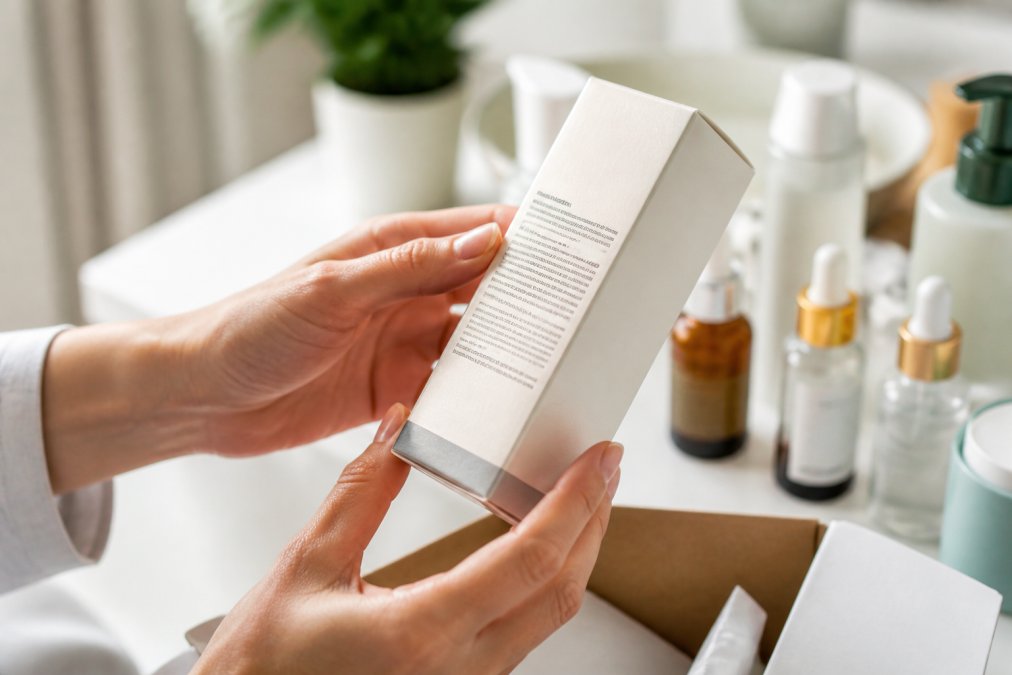
Start with the box itself. Authentic packaging uses high-quality cardboard with clean, sharp edges and flush, tightly sealed seams. Counterfeit boxes often have rough edges, uneven gluing, or visible gaps. The printing should be crisp and vibrant, not faded or blurry.
Check label placement, genuine products have perfectly centered, parallel labels with evenly spaced, aligned text. Hold the box next to an image on the brand's official website; colors should match exactly. Counterfeits frequently use slightly different shades because they source printing from unauthorized facilities.
Feel the texture. Authentic packaging often features embossing, foil accents, or special finishes that feel premium. Counterfeits replicate these visually but skip tactile elements to save money.
Check for Spelling Errors and Typography
Spelling errors are one of the easiest ways to spot counterfeits. Legitimate brands employ multiple quality control rounds before packaging production. Read every word carefully, looking for common mistakes, missing accent marks, or inconsistent capitalization.
Typography consistency matters equally. Font family, size, and weight should remain consistent throughout. Pay special attention to fine print, ingredient lists, and disclaimers, this is where counterfeits most often trip up.
Examine Tamper-Evident Seals
Authentic seals use high-quality materials with precise printing. Holographic elements should display a rainbow effect when tilted. Security tape should have microtext or patterns impossible to replicate with standard equipment. On genuine products, you should not be able to open the product without breaking the seal.
Step 2: How to Check Skincare Batch Codes
Every legitimate skincare product manufactured after 2010 includes a batch code, a unique identifier showing when and where the product was made (the FDA). Learning to decode batch codes is one of the most reliable ways to verify authenticity and check product age.
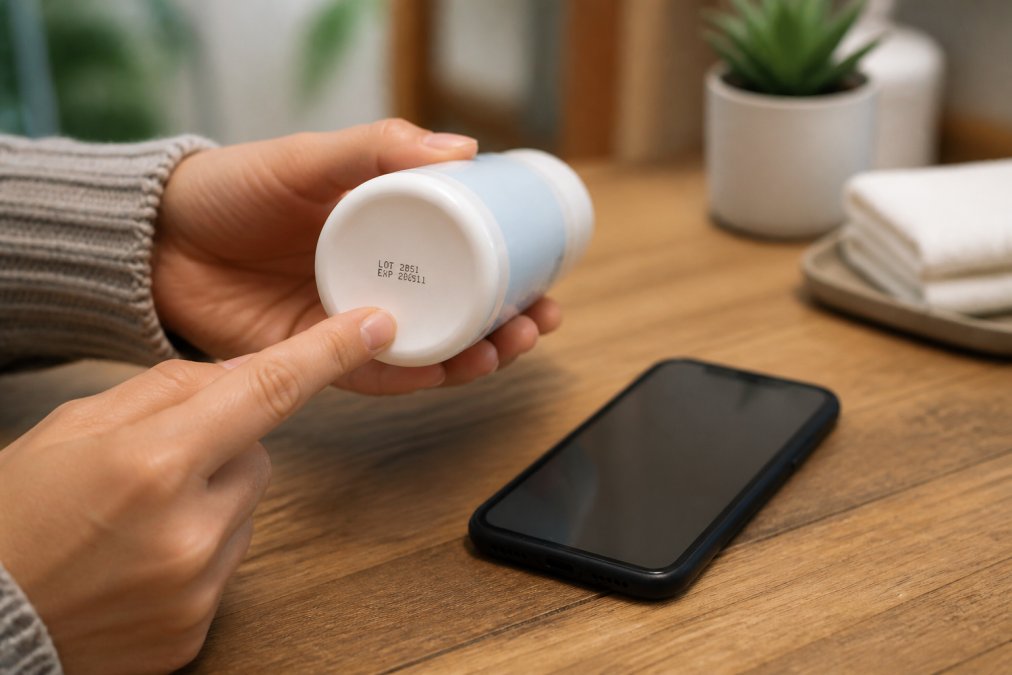
Locating the Batch Code
The batch code location varies by brand but is usually printed on the product itself rather than the box. Check the bottom of jars, the back of bottles near the base, or the side of tubes. Look for a small alphanumeric code, typically 3 to 12 characters. Authentic batch codes are always legible and permanent.
Decoding Batch Code Information
Most batch codes reveal the manufacturing date. The first character usually indicates the year, the next one or two indicate the month, and remaining characters identify the production facility or run. For example, "E061A" might mean: E (year 2025), 06 (June), 1A (production facility).
Many brands offer batch code decoders on their websites. Enter your code and the tool returns the exact manufacturing date. If the brand doesn't offer a decoder, search "[Brand Name] batch code decoder" online. Once you have the manufacturing date, check product age, most skincare has a 12 to 36-month shelf life. If manufactured more than three years ago, it's expired or close to expiration.
Step 3: Verify QR Codes and Serial Numbers
Modern skincare brands increasingly use QR codes and NFC chips for authentication. QR codes link to brand websites or dedicated authentication platforms. Scan with your smartphone camera; legitimate codes direct to official brand pages confirming authenticity.
Some brands use NFC chips embedded in packaging. Tap your NFC-enabled smartphone to the chip to connect to the brand's authentication server and verify the product in real time. This technology is harder to counterfeit because it requires specialized equipment.
Check QR codes carefully before scanning, they should be sharp and high-contrast, printed directly onto packaging. After scanning, verify the destination URL. Legitimate brand QR codes direct to official domains like "verify.brandname.com." If the URL looks suspicious, contains misspellings, or redirects through third-party sites, don't trust it.
Serial numbers work similarly to batch codes but are unique to each product unit. If your product includes a serial number, check it against the brand's database if available.
Step 4: Buy from Authorized Skincare Retailers
The simplest way to verify authentic skincare is buying from authorized retailers. These businesses have direct relationships with brands and purchase through official channels, maintaining quality standards and providing legitimate customer service.
The brand's official website is always safe. Department stores like Sephora and Ulta maintain strict vendor verification and remove counterfeits quickly. Specialty beauty retailers and dermatologist offices also carry authentic products.
Check the brand's official website for a complete list of authorized retailers. Many brands maintain searchable databases where you can enter your zip code and find nearby authorized sellers.
Step 5: Assess Product Consistency and Texture
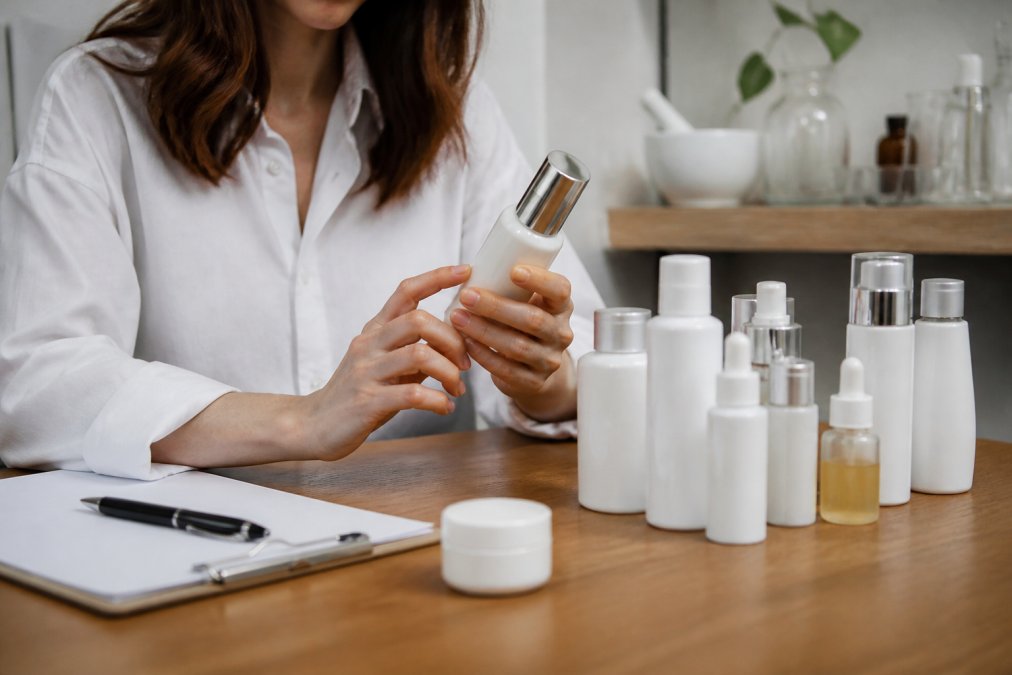
Physical inspection of the formula itself reveals whether it's authentic. Open the product and examine its appearance. Serums should be clear or slightly translucent, not cloudy or separated. Creams should have smooth, uniform texture without graininess. Oils should be clear and free-flowing.
Smell the product. Authentic skincare has a specific scent from actual ingredients and fragrance. Counterfeits sometimes smell off, too strong, too weak, or noticeably different. Apply a small amount to your skin and observe how it feels. Does it absorb quickly? Feel greasy or smooth? Authentic formulations are engineered for specific skin types with consistent performance.
Check the packaging's interior. Pumps, caps, and applicators on authentic products are sturdy and well-made. Counterfeit packaging often includes cheap pumps that don't work properly or flimsy applicators that break easily.
Step 6: Verify Distributor and Manufacturer Information
Every legitimate skincare product includes detailed manufacturer and distributor information. Look for the manufacturer's name and physical address on packaging, not just a phone number or website. This address should be verifiable through online searches or direct contact.
The distributor information tells you who sells the product in your region. Check whether the distributor listed matches the brand's official distributor for your area. The country of origin matters too, verify it matches the brand's official information.
Look for regulatory information. In the United States, skincare should include FDA compliance statements. The ingredient list should match the brand's official website. Contact information should be current and functional. If you call the manufacturer and reach a disconnected line, or email and never receive a response, that's suspicious.
At Green Vitality USA, we prioritize sourcing authentic products directly from manufacturers and authorized distributors. Every item in our collection goes through verification before reaching your door. We understand that buying skincare online means trusting a retailer to do the authentication work for you, and we take that responsibility seriously.
Verifying authentic skincare requires attention to detail, but it's time well spent. By following these six steps, inspecting packaging, checking batch codes, verifying digital markers, buying from authorized retailers, assessing product consistency, and confirming manufacturer information, you'll catch fakes before they reach your bathroom cabinet. Start with packaging inspection today and build the habit of verification into every skincare purchase.
Frequently Asked Questions
How can I tell if my skincare product is authentic?
Check for spelling errors on the packaging, verify the batch code matches the manufacturer's format, inspect tamper-evident seals, and scan any QR codes provided. Compare the product's texture, color, and scent to official product descriptions. Purchase only from authorized skincare retailers to minimize counterfeit risk. If something feels off, unusual packaging, price discrepancies, or inconsistent product quality, contact the manufacturer directly to verify.
What are the risks of using counterfeit skincare products?
Counterfeit skincare can contain harmful ingredients, undisclosed allergens, or contaminated formulations that cause skin irritation, allergic reactions, or infections. Some counterfeits use synthetic fragrances and low-quality fillers that damage sensitive skin. In serious cases, counterfeit products may contain heavy metals or banned substances. Always verify authenticity to protect your skin health and avoid wasting money on ineffective products.
How do I check a product batch code for authenticity?
Locate the batch code on the product's bottom, back, or inside the cap. Most manufacturers use a format combining letters and numbers that indicate production date and facility. Visit the brand's official website or contact their customer service with the batch code to verify it matches their records. Some brands offer online batch code verification tools or apps. Never assume a batch code is valid just because it exists, counterfeiters often print fake codes that don't match any real production data.
Why is it important to buy skincare from authorized retailers?
Authorized retailers maintain supply chain transparency and receive products directly from manufacturers, reducing counterfeit risk. They follow proper storage and handling protocols to preserve product integrity. Authorized retailers honor warranties and offer reliable return policies if products arrive damaged or don't meet expectations. Gray market sellers and unauthorized distributors may sell expired stock, damaged goods, or counterfeits at lower prices. Buying from authorized retailers ensures you receive genuine products with full manufacturer support and consumer protection guarantees.
This article was written using GrandRanker