 how-to
How to Choose Wellness Products for Recovery in 2026
Table of Contents
- How to Choose Wellness Products for Recovery: Start With Your Needs
- How to Evaluate Wellness Product Quality Before You Buy
- Essential Recovery Tools for Home Gyms: What Earns Its Space
- Best Recovery Supplements for Athletes: Reading the Label
- Set a Budget for Recovery Products Without Sacrificing Safety
- Spotting Hype vs. Evidence in Recovery Product Claims
- Build a Recovery Routine That Sticks
- Frequently Asked Questions
Last Updated: September 6, 2026
How to Choose Wellness Products for Recovery: Start With Your Needs
Choosing wellness products for recovery starts with an honest assessment of your routine, your pain points, and the time you can actually commit. A red light therapy panel is useless if you will not sit still for ten minutes, just as a massage mat gathers dust if you never use it. This guide from Green Vitality USA breaks down how to evaluate quality, spot genuine value, and build a recovery protocol that fits your life.
The biggest mistake most shoppers make is buying based on a trending category instead of a specific need. Muscle recovery, post-workout soreness, sleep optimization, and stress management require different tools. Before you spend anything, write down your top two recovery complaints.
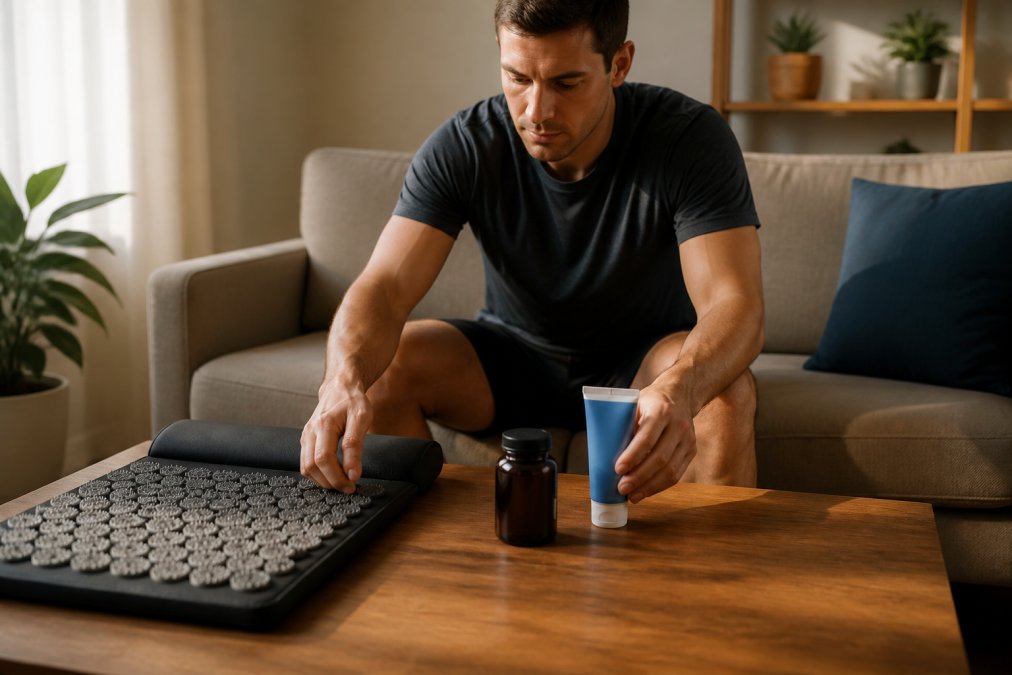
How to Evaluate Wellness Product Quality Before You Buy
Evaluating wellness product quality comes down to three verifiable factors: materials, safety certifications, and honest specifications. A common approach is to check the build quality first. For devices, look for medical-grade materials, sturdy wiring, and clear ventilation. For supplements, examine the label for third-party testing seals and full disclosure of ingredients.
Recovery tools like massage mats and light therapy panels should list their technical output plainly. For red light therapy, that means the wavelength, measured in nanometers, and the irradiance, which tells you how much energy reaches your tissue. A device that advertises "powerful healing light" without publishing its wavelength specs is hiding something.
Customer reviews matter, but filter them for patterns. A product with hundreds of reviews mentioning the same durability issue is telling you the truth. One angry review about shipping delays is noise.
Essential Recovery Tools for Home Gyms: What Earns Its Space
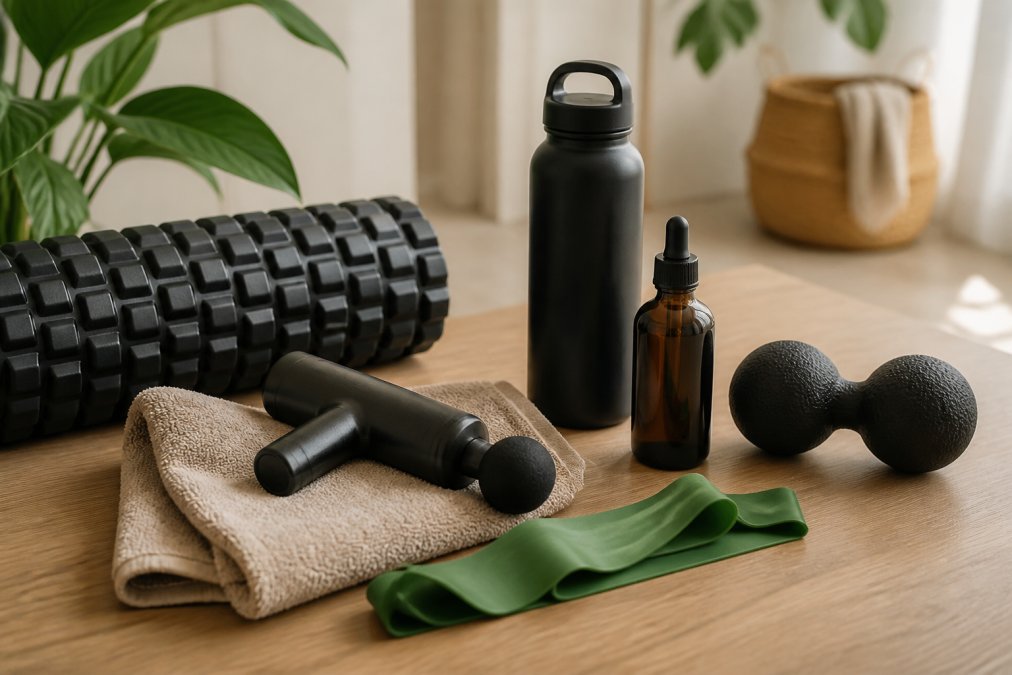
The essential recovery tools for home gyms fall into four practical categories: percussion devices, massage mats, heat and light therapy, and compression gear. You do not need all four. Most people benefit most from one or two that address their dominant recovery bottleneck. But choosing between them requires understanding what each tool actually does to your tissue, not just what the marketing says.
Massage mats and percussion devices both target myofascial release, but through different mechanisms. A percussion device delivers rapid, concentrated pulses, typically 2,000 to 3,200 percussions per minute, that stimulate mechanoreceptors and temporarily reduce pain perception via the gate control theory (PubMed). It is precise: you can isolate a knot in your calf or a tight rhomboid. A full-body massage mat, by contrast, uses slower, broader compression and vibration across a larger surface area. It is less precise but more practical for whole-body relaxation and for people who cannot comfortably reach their own back or legs. A full-body massage mat, by contrast, uses slower, broader compression and vibration across a larger surface area. It is less precise but more practical for whole-body relaxation and for people who cannot comfortably reach their own back or legs. The Green Vitality USA full body massage mat offers 10 massage points, 9 vibration modes and intensities, plus 3-level lumbar heat, making it a versatile option for post-workout full-body relief.
Red light therapy works on a different principle entirely: photobiomodulation. Mitochondria in your cells absorb specific wavelengths, most commonly 660nm red and 850nm near-infrared, which stimulates ATP production and reduces oxidative stress. The Green Vitality USA red light therapy panel uses 60 dual-chip LEDs combining both wavelengths. It is a bigger investment, so reserve it for a confirmed need rather than curiosity.
Compression gear earns its place through a different mechanism: graduated external pressure that supports venous return and reduces edema. It is not a passive gimmick. Research on compression garments shows modest benefits for perceived soreness and recovery of muscle function in the 24-72 hours after exercise (PubMed). The trade-off is fit. A poorly fitted sleeve that rolls or pinches will do more harm than good, so measure carefully and follow the manufacturer's sizing chart.
Maintenance and longevity are the overlooked factors in home recovery gear. Before you buy, check whether the manufacturer sells replacement parts, pads, straps, batteries, and LED panels, and whether the device can be repaired or only replaced. A massage mat with a detachable, washable cover will last years longer than one with a sewn-in surface that traps sweat and bacteria. Red light panels with individual LED diodes can be serviced if a single diode fails; sealed units cannot. A device that lasts five years instead of two halves its annual cost and keeps electronic waste out of landfills.
| Tool Type | Primary Benefit | Best For | Typical Use | Maintenance Consideration |
|---|---|---|---|---|
| Massage mat | Full-body myofascial release | Post-workout tension, back pain | 10-20 min daily | Washable cover, replaceable motors |
| Red light panel | Cellular repair, inflammation reduction | Joint pain, muscle recovery | 10-15 min, 3-5x weekly | Individual LED diodes replaceable |
| Percussive device | Targeted deep tissue | Specific trigger points | 5-10 min per area | Replaceable battery, interchangeable heads |
| Compression gear | Circulation support, edema reduction | Post-exercise recovery | Wear 1-2 hours post-workout | Machine washable, check elastic degradation |
A note on home vs. facility use. A commercial-grade percussive device or light panel in a physical therapy clinic is built for hundreds of daily sessions. Home versions are not. If you are buying for personal use, you do not need clinical-grade durability, but you do need a device that survives daily use for at least two years. Read reviews for patterns of motor failure, battery degradation, or LED burnout after six months of regular use.
Best Recovery Supplements for Athletes: Reading the Label
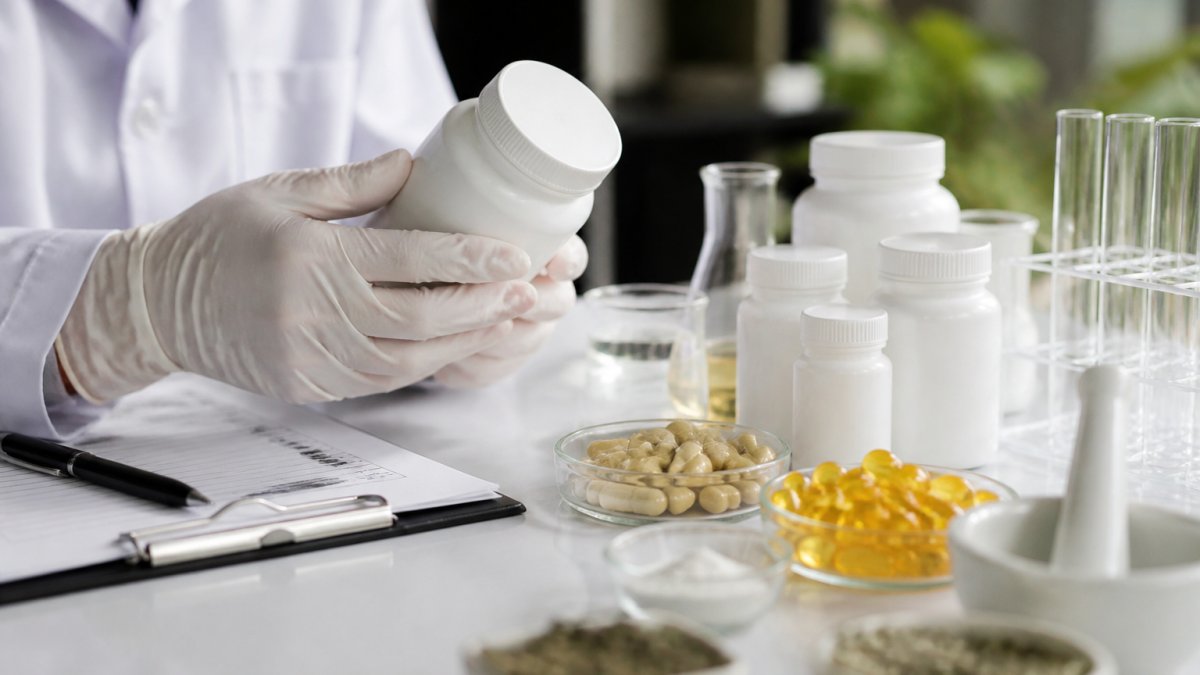
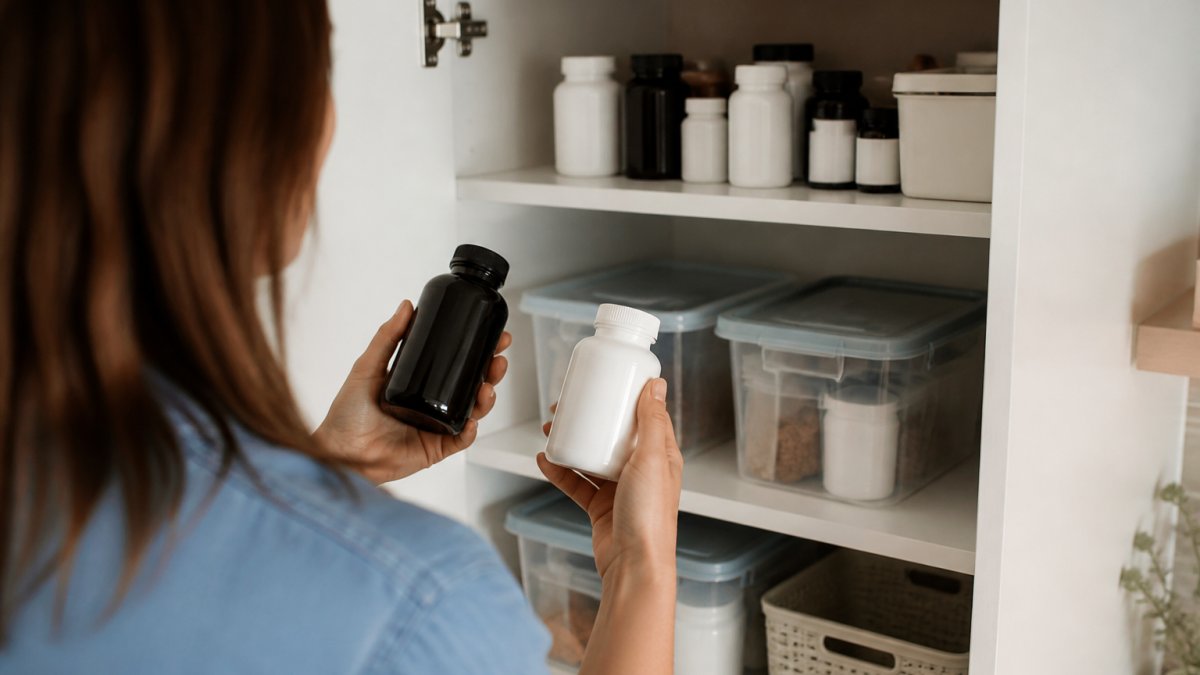
The best recovery supplements for athletes are those with transparent labeling, clinically studied ingredients, and no proprietary blends that hide dosages. When you pick up a bottle, the first thing to check is whether the active ingredients appear with exact milligram amounts.
Turkesterone and Tongkat Ali have gained attention in athletic circles for their potential roles in lean muscle growth and stamina. The Green Vitality USA version combines both in a 60-capsule vegan formula. What matters more than the buzzword is the sourcing: look for supplements manufactured in facilities that follow current good manufacturing practices, which the FDA oversees for dietary supplements in the United States.
Set a Budget for Recovery Products Without Sacrificing Safety
Budget allocation for recovery equipment should follow a simple rule: spend on safety and durability first, then on features. A $21.25 cooling gel like Polar Flex from Green Vitality USA can serve both pre-workout priming and post-workout recovery. Massage mats and light panels represent larger purchases, so evaluate them as investments in your training longevity.
A reasonable starting budget looks like this: $20-30 for topical recovery aids, $100-150 for a quality massage mat, and $100-200 for a red light panel if you have a confirmed need. Skip anything priced dramatically below market averages, because safety certifications and durable materials cost money to produce.
Safety verification is not optional, it is a regulatory matter. In the United States, consumer electrical devices are subject to oversight from the Consumer Product Safety Commission (CPSC), which can issue recalls for products that pose fire, shock, or burn hazards (cpsc.gov). Before purchasing any electronic recovery device, search the CPSC recall database for the brand and model. A single recall in a brand's history is not necessarily disqualifying, but a pattern of safety issues is a red flag.
For devices that make therapeutic claims, such as red light therapy for pain relief or muscle recovery, the Food and Drug Administration (FDA) may classify them as medical devices. Some red light panels are cleared as Class II medical devices under Section 510(k) of the Federal Food, Drug, and Cosmetic Act, meaning the manufacturer has demonstrated substantial equivalence to a legally marketed device. Others are marketed as general wellness products, which the FDA does not regulate as medical devices. The distinction matters: a 510(k)-cleared device has gone through a formal regulatory review; a general wellness product has not. Look for the 510(k) number on the product page or packaging, and verify it on the FDA's database.
Contraindications are part of the safety picture. Most recovery tools are safe for healthy adults, but specific populations need to exercise caution. Red light therapy is generally considered safe, but people with photosensitivity conditions or those taking photosensitizing medications should consult a physician first. Massage and percussion devices should not be used over areas with deep vein thrombosis, open wounds, or recent fractures. Heat therapy is contraindicated for acute injuries with active swelling, ice is the appropriate first response for the first 48 hours. Compression gear should be avoided by people with peripheral arterial disease, as external pressure can restrict already compromised blood flow.
How to independently verify claims before you buy. Ask three questions about any recovery product claim. First, does the mechanism make biological sense? Red light therapy works because mitochondria absorb specific wavelengths and produce more ATP. Second, is there published research on the specific wavelength, dosage, or ingredient? Third, does the brand cite real studies or vague "clinical trials"? A brand that links to peer-reviewed research on the exact wavelength or ingredient they use is more credible than one that says "clinically proven" without a citation. You can also search PubMed or the National Institutes of Health database for the specific mechanism, a few minutes of research can save you hundreds of dollars.
Spotting Hype vs. Evidence in Recovery Product Claims
Evidence-based verification separates legitimate recovery tools from expensive placebos. The fitness industry loves pseudoscientific language: "detoxifies cells," "balances energy fields," "removes toxins." None of those phrases describe a measurable physiological mechanism.
Ask three questions about any recovery product claim. First, does the mechanism make biological sense? Red light therapy works because mitochondria absorb specific wavelengths and produce more ATP. Second, is there published research on the specific wavelength, dosage, or ingredient? Third, does the brand cite real studies or vague "clinical trials"?
Psychological recovery and stress management are equally important yet frequently ignored in product marketing. A massage mat that helps you downshift after a stressful day delivers genuine value through nervous system relaxation.
Build a Recovery Routine That Sticks
Recovery protocols fail when they demand more discipline than you possess. The solution is to attach your new tool to an existing habit. Use your massage mat while watching television. Apply cooling gel immediately after your evening shower. Schedule red light therapy sessions while you stretch or read.
Start with one tool and one 10-minute daily block. After two weeks, assess whether you feel a difference in muscle recovery, sleep quality, or pain relief. If you do not notice improvement, adjust the timing or intensity before adding another device.
At Green Vitality USA, we curate recovery products that meet clear quality standards, from the Polar Flex cooling gel to the red light therapy panel and full body massage mat. Our catalog focuses on affordable prices, fast delivery, and items we have vetted for real utility. Shop our recovery collection and find the tool that fits your routine, not just your shopping cart.
Frequently Asked Questions
What should I look for when buying muscle recovery tools?
Start with your specific recovery goal, whether that is reducing muscle tension, improving circulation, or speeding up tissue healing. Check the device's power specs, such as irradiance for light therapy panels, and look for clear safety instructions. Consider the size and storage needs for your home. Read customer reviews for real-world durability feedback, and confirm the return policy before purchasing.
How do I know if a recovery product is FDA-regulated?
The FDA regulates most wellness products differently depending on their category. Supplements are regulated as food, not drugs, so manufacturers are responsible for safety and labeling. Look for an FDA registration number on the label, and be cautious of any product promising to cure or treat a specific disease without clinical evidence.
Which supplement is best for recovery?
The best recovery supplement depends on your training load and diet. For athletes, options like Turkesterone and Tongkat Ali are available. More established options include protein, creatine, and omega-3s for inflammation reduction. Check for third-party testing seals like NSF or Informed Sport to verify purity and label accuracy. Start with one supplement at a time to assess how your body responds.
Are expensive recovery tools always better than budget options?
No. A higher price does not guarantee better results. Evaluate the specifications that matter, such as massage points, vibration modes, heat settings, or light wavelength. A mid-priced full-body massage mat with multiple intensities can offer more value than a premium brand with the same features. Focus on build quality, warranty, and customer support rather than price alone.