 ultimate-guide
How to Choose Skincare for Sensitive Skin Types
Table of Contents
- Understanding Sensitive Skin Triggers and Your Skin Barrier
- Ingredients to Avoid for Sensitive Skin
- How to Patch Test Skincare Products Safely
- Building a Gentle Skincare Routine for Sensitive Skin
- Best Natural Skincare for Sensitive Skin
- Managing Redness, Inflammation, and Flare-Ups
- Budget-Friendly vs. Medical-Grade Options
- Conclusion
Understanding Sensitive Skin Triggers and Your Skin Barrier
Sensitive skin is a condition where your skin reacts intensely to products or environmental factors due to a compromised skin barrier, the outermost layer that protects against irritants and retains moisture. When this barrier weakens, water escapes and irritants penetrate easily, triggering inflammation and redness.
Common triggers include harsh cleansers, fragrances, alcohol-based products, sulfates, and certain preservatives. Environmental factors like extreme temperatures, low humidity, and pollution also compromise your barrier. For some, sensitivity stems from underlying conditions like rosacea or eczema. The skin microbiome, beneficial bacteria living on your skin, plays a role too; when products disrupt natural pH balance, inflammation follows. At Green Vitality USA, we offer products specifically designed to support sensitive skin barriers and prevent flare-ups.
Ingredients to Avoid for Sensitive Skin
Certain ingredients have a higher likelihood of triggering reactions in sensitive skin. Fragrances (synthetic and natural) irritate reactive skin; look for "unscented" rather than "fragrance-free." Alcohol denat strips moisture and disrupts your barrier. Sulfates like sodium lauryl sulfate remove natural oils and trigger inflammation.
Essential oils, despite their natural reputation, are concentrated plant extracts that irritate, lavender, peppermint, and citrus oils are common culprits. Retinoids can cause irritation and peeling even in gentle formulations. Benzoyl peroxide is drying and irritating for sensitive types. Parabens trigger reactions in some people, so patch testing is essential.
Seek out products labeled hypoallergenic and noncomedogenic. Actively look for ceramides and hyaluronic acid, which support barrier repair and hydration without irritation.
How to Patch Test Skincare Products Safely
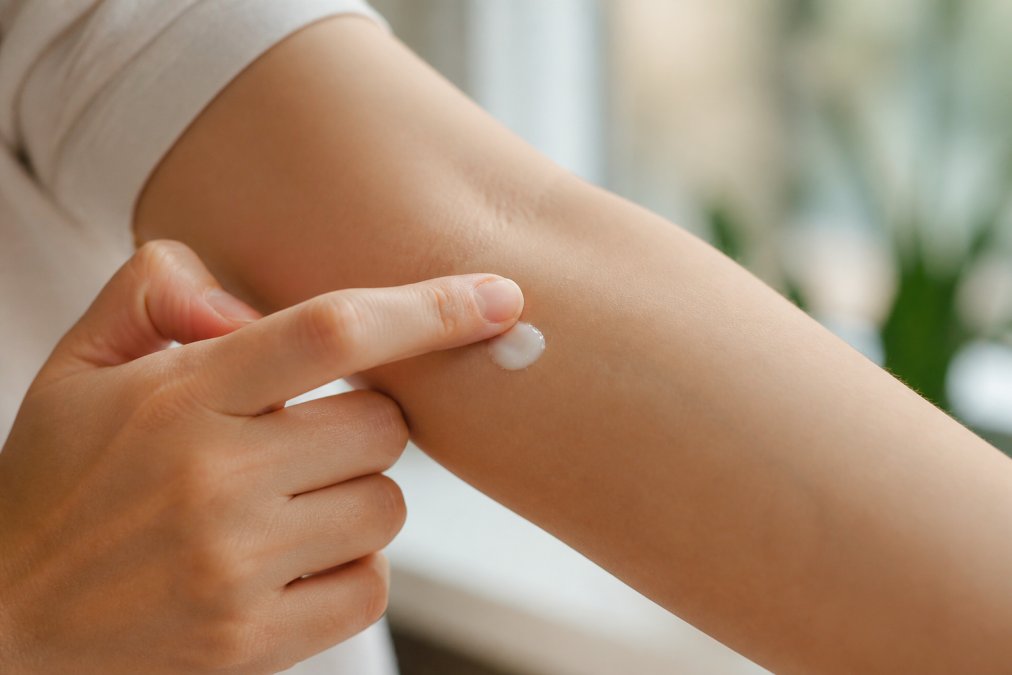
Patch testing prevents wasting money on irritating products and avoids painful flare-ups.
Step 1: Choose your test location. The inner arm or behind your ear are ideal, the skin there is thin and reactive, similar to facial skin.
Step 2: Apply a small amount. Use a dime-sized amount on clean, dry skin. Don't apply to damp skin, as moisture affects how the product behaves.
Step 3: Wait 24 hours. Don't wash the area, apply other products, or expose it to extreme heat or cold. Your skin needs time to show a reaction.
Step 4: Observe for signs of irritation. Check for redness, itching, burning, or swelling. If you see any reaction, wash the area and stop using the product.
Step 5: If no reaction, test on face. Apply to a discreet facial area for 3-5 days before incorporating into your full routine to catch delayed reactions.
Avoid testing multiple products at once (you won't know which caused the problem), testing on already-irritated skin, or stopping the test too early.
Building a Gentle Skincare Routine for Sensitive Skin
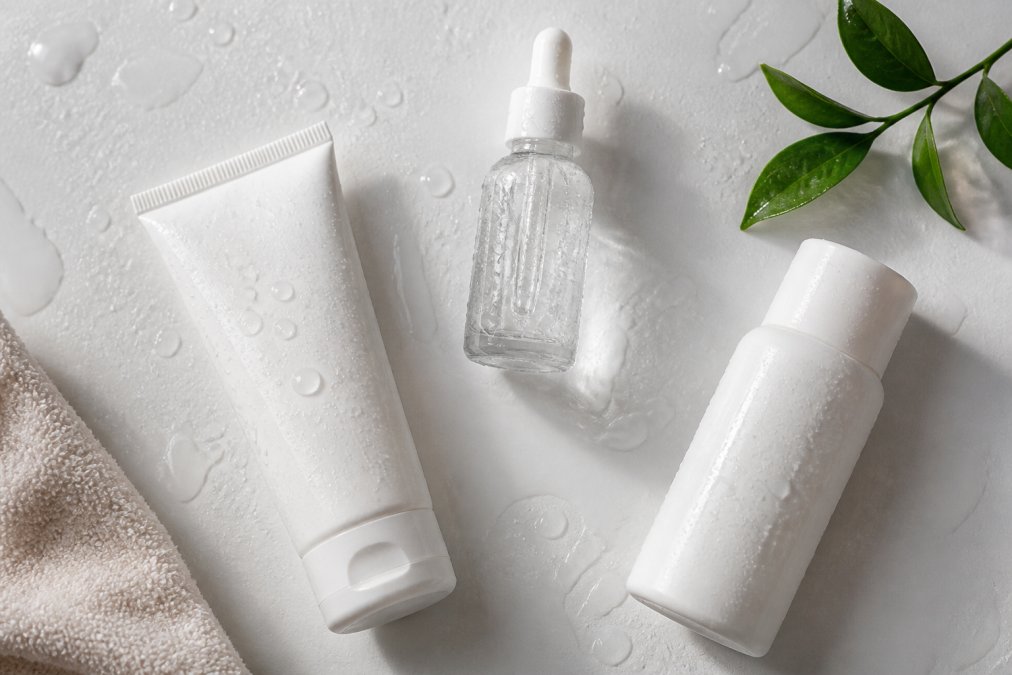
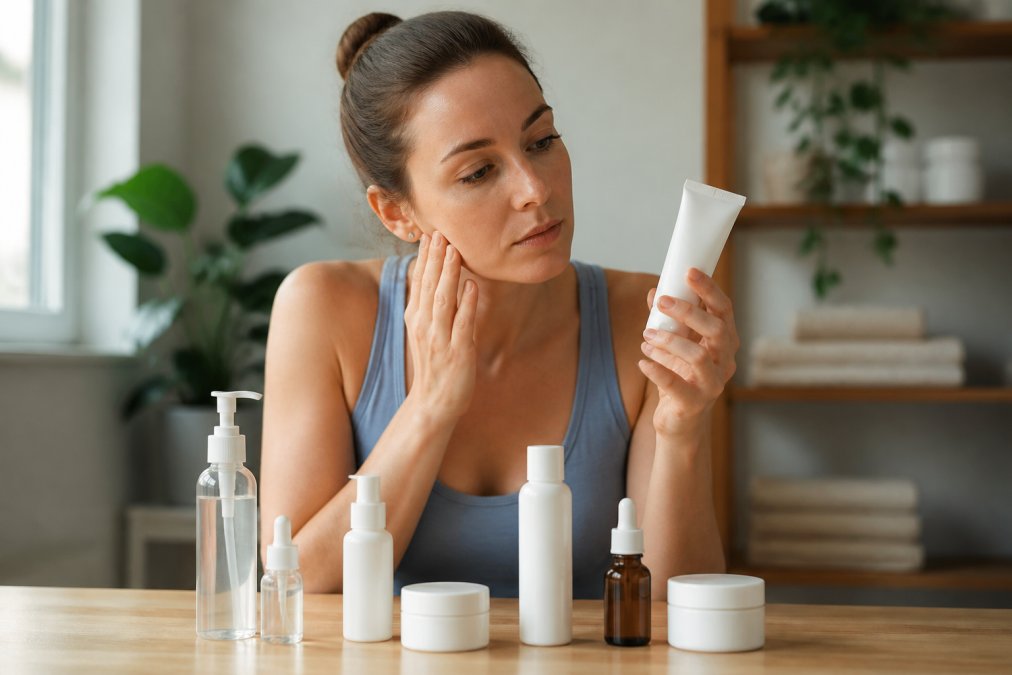
A sensitive skin routine should be minimal, consistent, and focused on protecting and repairing your barrier.
Choosing the Right Cleanser
Your cleanser sets the tone for your entire routine. Look for gentle cleansers with a low pH (around 5.5), matching your skin's natural pH (the American Academy of Dermatology). Cream-based and milk cleansers are ideal because they're hydrating and non-foaming; foaming cleansers tend to be harsher. Avoid anything with sulfates, fragrance, or alcohol.
Wash your face twice daily with lukewarm water, hot water irritates sensitive skin. Pat dry gently instead of rubbing.
Hydration and Moisture Barrier Repair
After cleansing, hydration is non-negotiable. Look for products containing hyaluronic acid, which draws moisture into your skin, and ceramides, which repair your barrier. Apply moisturizer to damp skin within one minute of cleansing to trap water.
The Moisturizing Face Cream with Hyaluronic Acid ($12.20) delivers deep hydration without irritating ingredients. The OceAura Aloe Vera Moisturizing Gel offers gentle nourishment with anti-inflammatory aloe vera. For nighttime barrier repair, the Hoygi Heart Leaf Moisturizing and Soothing Cream combines hydration with soothing botanicals.
Sun Protection for Reactive Skin
Sun exposure damages your skin barrier and triggers inflammation. Broad-spectrum SPF is non-negotiable, even on cloudy days. Choose a mineral sunscreen (zinc oxide or titanium dioxide) over chemical sunscreens if your skin is very reactive. Mineral formulations sit on top of your skin rather than absorbing, making them gentler. Use SPF 30 or higher and apply generously. Patch test first, as some sunscreens contain fragrance or irritating ingredients.
Best Natural Skincare for Sensitive Skin
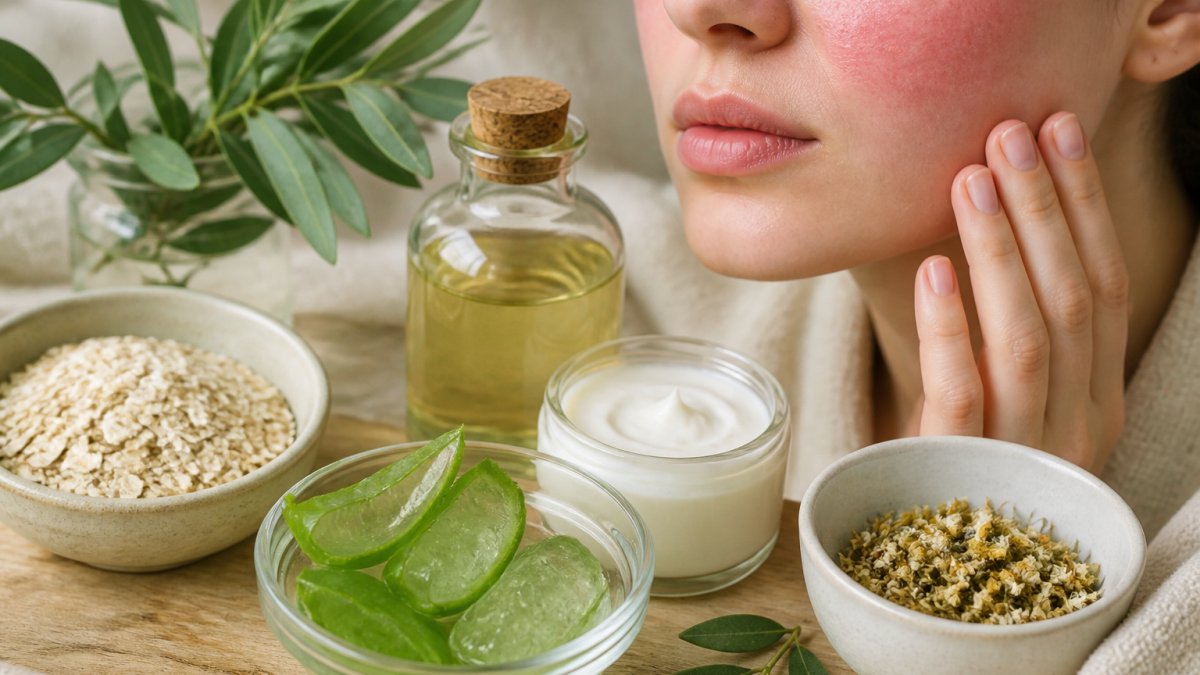
Natural doesn't automatically mean safe, but certain plant-based ingredients support barrier health without irritation. Aloe vera is one of the gentlest natural ingredients, anti-inflammatory, hydrating, and rarely triggers reactions. The OceAura Aloe Vera Leaf Soothing Gel harnesses this benefit effectively.
Oat extract reduces inflammation and itching, ideal for eczema-prone or rosacea-prone skin. Centella asiatica (cica) strengthens the skin barrier and reduces redness. Chamomile has calming properties, though the essential oil can irritate, look for chamomile extract instead.
Avoid natural ingredients that irritate: tea tree oil, eucalyptus, peppermint, and lemon are too strong for compromised barriers.
Managing Redness, Inflammation, and Flare-Ups
During a flare-up, simplify your routine to only a gentle cleanser, hydrating moisturizer, and sunscreen. Skip all active ingredients and anything untested. Cold compresses reduce redness and discomfort, apply a clean, cold washcloth for 10-15 minutes (the American Academy of Dermatology). Avoid hot water entirely.
Look for soothing ingredients like aloe vera, centella asiatica, or oat extract. The OceAura Aloe Vera Soothing Gel combines hydration with anti-inflammatory benefits. Avoid fragrance, essential oils, physical exfoliation, and alcohol during flare-ups.
See a dermatologist if flare-ups last longer than a week, spread to new areas, or cause severe pain or swelling. Conditions like rosacea or eczema benefit from professional guidance.
Budget-Friendly vs. Medical-Grade Options
Medical-grade skincare often costs more, yet budget-friendly options can be equally effective if formulated correctly. What matters is the formula, not the price tag. A simple, well-formulated moisturizer with ceramides and hyaluronic acid performs as well as an expensive one if both target sensitive skin.
Green Vitality USA's curated selection focuses on affordability without sacrificing quality. The Moisturizing Face Cream ($12.20) and OceAura Aloe Vera Gel ($12.49) deliver barrier-supporting ingredients at accessible prices. Medical-grade products shine when you have specific conditions requiring professional-strength treatment, but for baseline sensitive skin care, budget-friendly options are adequate.
Start with affordable, well-formulated products. If your skin doesn't improve after 4-6 weeks, or if you have underlying dermatological conditions, consult a dermatologist about medical-grade options.
Conclusion
Choosing skincare for sensitive skin requires understanding your triggers, avoiding common irritants, and committing to a barrier-focused routine. You don't need expensive products or complicated steps. A simple regimen with a gentle cleanser, hydrating moisturizer with ceramides and hyaluronic acid, and consistent sun protection addresses most sensitivity issues.
Green Vitality USA makes this easier by curating affordable, effective products for reactive skin. Start with the Moisturizing Face Cream with Hyaluronic Acid for daily hydration and barrier repair, and add the OceAura Aloe Vera Soothing Gel for extra support during flare-ups. Shop now and take control of your sensitive skin with products designed to heal, not harm.
Supporting Resources
For more information on skincare ingredients, the FDA provides guidance on cosmetic ingredient safety, and dermatological research from the American Academy of Dermatology offers evidence-based recommendations. According to clinical research on skin barrier function, ceramides and hyaluronic acid are among the most effective ingredients for restoring compromised barriers in sensitive skin types.
Frequently Asked Questions
What should my skincare routine be for sensitive skin?
A sensitive skin routine focuses on simplicity and barrier protection. Start with a gentle, fragrance-free cleanser, follow with a hydrating toner or essence, apply a ceramide-rich moisturizer, and always use SPF 30 or higher. Limit active ingredients and introduce new products one at a time, waiting 1-2 weeks between additions. Avoid multi-step routines initially; you can expand once your skin stabilizes. Products like our Moisturizing Face Cream with hyaluronic acid provide essential hydration without irritation.
Which ingredients should I avoid if I have sensitive skin?
Skip alcohol denat, fragrance (even essential oils), sulfates, parabens, benzoyl peroxide, salicylic acid, and retinoids until your barrier is stronger. Avoid products with high concentrations of vitamin C, glycolic acid, or lactic acid. Check labels for sulfates like sodium lauryl sulfate, which strip natural oils. Be cautious with products claiming to be 'natural' without third-party dermatological testing. Instead, choose alcohol-free, fragrance-free, and noncomedogenic formulations that support your skin barrier.
How can I patch test new skincare products safely?
Apply a small amount (rice grain size) of the product to a discreet area like behind your ear, on your inner arm, or jawline. Leave it on for 24-48 hours without washing that spot. Watch for redness, itching, burning, or swelling. If no reaction occurs, apply a small amount to your cheek for 3-5 days before using it on your entire face. This gradual introduction helps identify irritants before they affect your whole face. Never patch test multiple products simultaneously.
What is the best skincare for extremely sensitive skin?
Extremely sensitive skin benefits from minimal, dermatologist-tested formulations with hyaluronic acid, ceramides, and soothing ingredients like aloe vera and centella asiatica. Our OceAura Aloe Vera Moisturizing Gel and Hoygi Heart Leaf Moisturizing Cream are designed specifically for reactive skin, offering gentle hydration without harsh additives. Focus on pH-balanced cleansers and avoid any product with synthetic fragrance or alcohol. Consider consulting a dermatologist to rule out conditions like rosacea or eczema that may require specialized treatment.
How do I know if a product will work for my sensitive skin before buying?
Look for dermatologist-tested and hypoallergenic labels, check ingredient lists against your known irritants, and read reviews from verified users with similar skin concerns. Green Vitality USA curates products specifically chosen for sensitive skin types, so you can shop with confidence. If you're unsure, start with smaller sizes or sample products when available. Our customer service team can also answer questions about specific formulations and help you find products suited to your skin's needs before you purchase.
Can environmental factors trigger sensitive skin reactions?
Yes. Cold, dry air, pollution, chlorine, hard water, and even stress can trigger sensitivity flare-ups beyond product ingredients. Low humidity increases transepidermal water loss, weakening your barrier. Protect your skin with a good moisturizer during winter, use a humidifier indoors, and rinse thoroughly after swimming. Heat and sweat can also irritate sensitive skin, so wear breathable fabrics and cleanse gently after exercise. Managing stress and getting adequate sleep support your skin's natural repair processes and resilience.
What role does the skin microbiome play in sensitivity?
Your skin's microbiome is a community of beneficial bacteria that protect against irritation and inflammation. Harsh cleansers, antibacterial products, and certain ingredients disrupt this balance, increasing sensitivity. Choose gentle, pH-balanced cleansers that preserve your microbiome rather than stripping it. Products with soothing, hydrating ingredients support a healthy microbial environment. Avoid over-cleansing and limit exfoliation, which can damage both your barrier and microbiome, making sensitivity worse over time.
How long does it take to see improvement in sensitive skin?
Most people notice calmer skin within 2-4 weeks of using a consistent, gentle routine. Significant barrier repair and reduction in redness typically takes 6-8 weeks. Don't expect overnight results; sensitivity develops over time and heals gradually. Stick with your routine for at least 4-6 weeks before deciding if products work for you. If you're experiencing active flare-ups or severe reactions, consult a dermatologist before starting new products. Patience and consistency are key to managing sensitive skin successfully.
This article was written using GrandRanker