 ultimate-guide
Why Are Online Beauty Prices Cheaper? (2026 Guide)
Table of Contents
- The Real Reason Online Beauty Prices Are Cheaper
- Overhead Costs: Retail Rent vs. Digital Storefronts
- Why Shipping Fees and Return Policies Change the Math
- The Hidden Cost of Returns and Counterfeit Products
- How to Find Authentic Beauty Products Online
- What Makes a Best Online Health and Beauty Store
- Conclusion: When Online Beauty Prices Are Worth It
- Frequently Asked Questions
Last Updated: September 7, 2026
The Real Reason Online Beauty Prices Are Cheaper
Online beauty prices are cheaper primarily because digital retailers operate without the overhead of physical storefronts, allowing them to pass those savings directly to consumers. This pricing gap between e-commerce and brick-and-mortar stores is not a marketing trick or a sign of lower quality; it reflects fundamentally different business models. Green Vitality USA offers a curated selection of high-quality health, beauty, and wellness products designed to enhance your daily routine, providing a fast, user-friendly, and customer-focused shopping experience.
The most immediate question shoppers ask is whether a lower price tag means a compromised product. It does not. The difference usually comes down to operational expenses that online retailers simply do not carry. Below, we will break down exactly where these savings come from, what hidden costs you should watch for, and how to ensure you are buying authentic products at prices that genuinely reflect value rather than risk.
Overhead Costs: Retail Rent vs. Digital Storefronts
The single largest driver of price differences is the cost of physical space. A brick-and-mortar store in a high-traffic shopping district pays substantial retail rent, commercial utilities, in-store staffing, and visual merchandising expenses. Every one of these costs gets folded into the retail markup applied to each product on the shelf. Digital storefronts, by contrast, replace prime real estate with a website, shifting spending toward supply chain efficiency and inventory turnover rather than square footage.
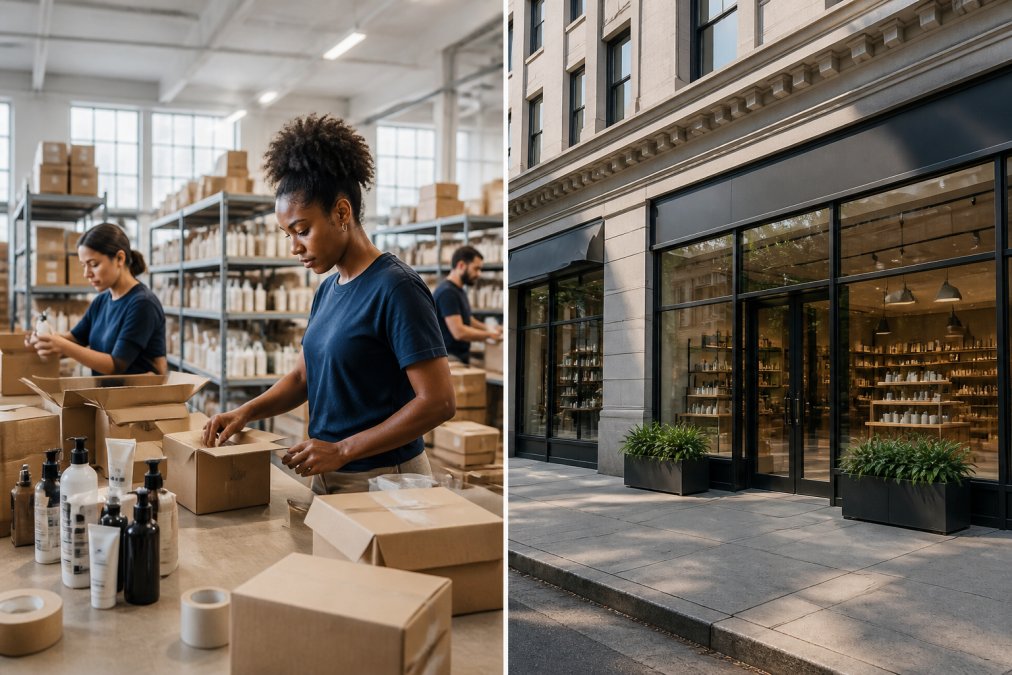
This structural advantage compounds through economies of scale. Online retailers often centralize inventory in regional distribution centers, enabling bulk purchasing and more efficient shipping logistics. When you compare the unit cost of a serum sold through a physical chain versus the same product shipped from a centralized warehouse, the latter carries less embedded overhead. Many businesses find that these savings translate into competitive online beauty prices.
Why Shipping Fees and Return Policies Change the Math
The sticker price you see online is not a static number. It is often the output of dynamic pricing algorithms that adjust in real time based on your browsing behavior, device type, and geographic location. A price shown on your phone during a lunch break might differ from the price on your laptop at midnight. These systems analyze demand signals, competitor price feeds, and even your past purchase history to find the highest price you are willing to pay. This is why the 'cheaper' online price can sometimes be an illusion: you are not seeing a universal discount, but a personalized quote.
To counter this, clear your browser cookies or use a private browsing window before comparing prices. Check the same product on a desktop and a mobile device. If the price changes, you are witnessing algorithmic pricing in action.
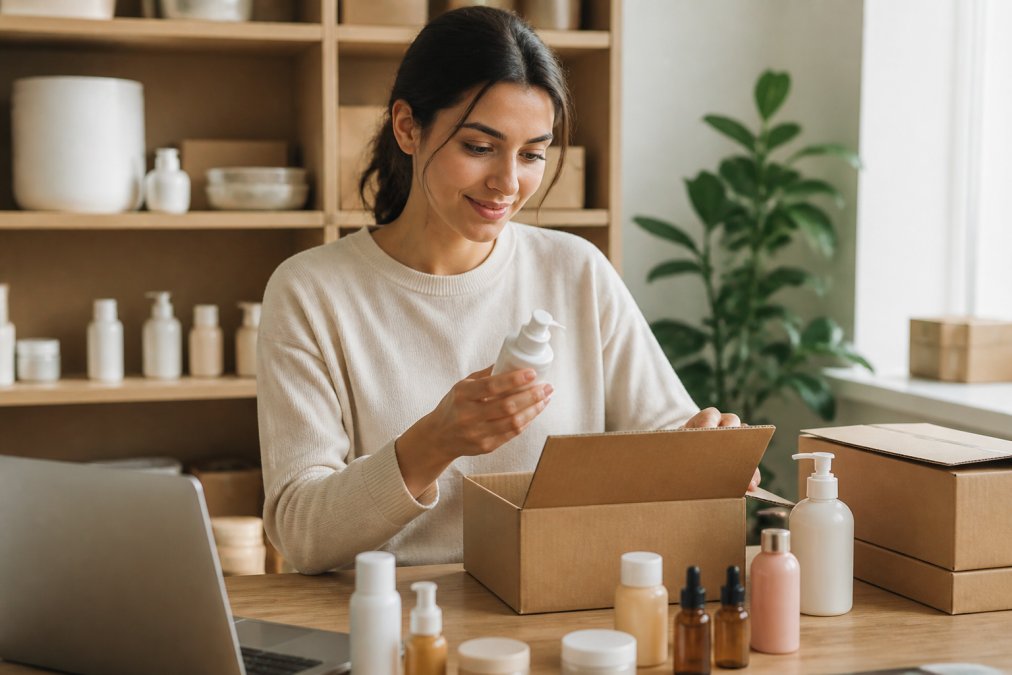
Beyond the sticker price, the hidden cost of returns is the most misunderstood factor in online beauty pricing. When you buy a serum online and return it because it broke you out, the retailer does not simply restock that bottle. In most cases, the product is destroyed. Beauty and personal care items cannot be resold once opened or if the tamper-evident seal is broken, due to health and safety regulations enforced by the Food and Drug Administration (FDA) and state boards of cosmetology (the FDA). The retailer absorbs the cost of the product, the inbound and outbound shipping, and the labor to process the return. That loss is not absorbed by the corporation; it is priced into the margins of every other product sold.
This is why you see stricter return policies from online-only beauty retailers compared to department stores. A physical store can absorb a return because the foot traffic might lead to another sale (investopedia.com). An online retailer with a 30-day return window and free return shipping is building that cost into its base prices. When you see a price that is significantly lower than a competitor, ask what the return policy looks like. If the return window is short or restocking fees apply, the 'savings' are a risk premium you are paying in advance.
A more strategic approach is to compare the total cost of ownership, not just the price per unit. Consider a $40 moisturizer from an online retailer with free shipping and a 30-day return window versus a $45 moisturizer from a local store with a 90-day return policy. If you have sensitive skin and a 20% chance of returning the product, the expected cost of the online purchase is $40 plus the risk of losing $40 if the return is rejected. The local store purchase carries a $5 premium but eliminates the risk of a total loss. For products you have used before and know work, the online price is almost always better. For new, unproven products, the local store premium is often worth the safety net.
The Hidden Cost of Returns and Counterfeit Products
Here is where the online bargain can turn into a loss. The hidden cost of returns is real, and it cuts both ways. Retailers absorb the logistics of processing returned items, and many pass some of that expense back through stricter policies or restocking fees. More concerning is the risk of counterfeit products in unregulated marketplaces, where a deeply discounted price often signals a fake rather than a deal.
Unlike physical stores where you can inspect packaging and verify authenticity before paying, online shopping requires trust in the seller. Legitimate retailers protect their brand equity and invest in authentication processes precisely because counterfeit products damage customer confidence. When you see online beauty prices that seem impossibly low, ask whether the seller has a reputation to protect and a return policy that backs their claims. A genuine retailer stands behind product authenticity; a fly-by-night operation does not.
How to Find Authentic Beauty Products Online
Finding authentic beauty products online requires a verification checklist rather than trusting a low price alone. Authentic retailers distinguish themselves through transparent sourcing, clear ingredient labeling, and responsive customer service. Before you buy, confirm that the seller provides complete product information and has a documented process for handling damaged or unsatisfactory items.
A practical approach involves checking several signals of legitimacy:
- Detailed product descriptions with full ingredient lists
- Clear contact information and responsive customer support
- Transparent shipping and return policies stated upfront
- Consistent branding across the site and product packaging
- Direct relationships with brands rather than vague "wholesale" claims
This is where a curated shopping experience matters. A best online health and beauty store invests in vetting its catalog so customers do not have to. When a retailer curates products deliberately rather than aggregating random listings, you gain confidence that someone has evaluated quality and authenticity on your behalf. That curation is part of the value proposition, even when the prices remain competitive with larger marketplaces.
What Makes a Best Online Health and Beauty Store
The best online health and beauty store is not the one with the lowest sticker price. It is the one that offers the lowest total cost of acquisition while maintaining verifiable authenticity. To evaluate this, you need to understand the structural difference between a direct-to-consumer (D2C) brand, a curated retailer, and a third-party marketplace.
A D2C brand, like a skincare company that sells only through its own website, eliminates the middleman entirely (hbs.edu). There is no distributor markup and no retail shelf-space fee. The brand controls the entire supply chain, which typically results in prices 20-30% lower than the same product sold through a department store. The trade-off is that you are limited to that brand's catalog, and you have no independent party verifying the product's claims.
A curated retailer, by contrast, aggregates multiple brands but vets each one for quality and authenticity. This model adds a layer of cost, but it also adds a layer of protection. The retailer's reputation is on the line, so they are more likely to reject products with questionable ingredient lists or supply chain issues. The best curated retailers publish their sourcing standards and explain why they carry specific brands.
A third-party marketplace is the riskiest option. These platforms aggregate thousands of independent sellers, some of whom are authorized distributors and some of whom are not. The price difference between an authorized and an unauthorized seller of the same product can be substantial, but the unauthorized seller may be selling counterfeit goods, expired stock, or products that were diverted from international markets and may not meet FDA labeling requirements.
When comparing loyalty programs, the math is rarely in favor of the online-only subscription.
The final factor is the return policy's generosity relative to the product category. For some products, a strict return policy is acceptable. For others, a retailer that offers a money-back guarantee without restocking fees is preferred. The best online stores understand this distinction and tailor their policies accordingly. They also provide clear guidance on how to verify batch codes and expiration dates, which is a service that marketplaces rarely offer.
Conclusion: When Online Beauty Prices Are Worth It
Online beauty prices are worth it when the savings come from genuine operational efficiency rather than compromised quality or authenticity. The best approach is to shop with retailers that combine transparent pricing, verified sourcing, and customer-friendly policies, then compare the total cost including shipping and potential returns against your local alternatives.
The challenge is finding a source you can trust to deliver authentic products at fair prices without requiring hours of research. Green Vitality USA addresses that need through a curated catalog, a customer-focused shopping experience, and affordable pricing that reflects our efficient online model. Shop Now and bring quality health and beauty essentials directly to your door.
Frequently Asked Questions
Why are online beauty prices often lower than physical retail?
Online beauty prices are typically lower because digital retailers avoid the high overhead costs of physical stores, such as retail rent, utilities, and in-store staffing. They often use direct-to-consumer models that cut out the middleman, and their supply chain efficiency allows for lower unit costs. These savings get passed to you. This is why you'll frequently see lower prices and more promotional strategies like discount codes online compared to brick-and-mortar locations.
Is it safer to buy skincare products online or in-store?
It can be safe to buy skincare online if you choose a reputable retailer that guarantees product authenticity. The main risk online is counterfeit products, which is why you should stick to the brand's own site or a trusted best online health and beauty store. In-store shopping lets you inspect the packaging physically, but you still cannot verify the supply chain. Look for sellers with clear return policies and direct relationships with brands to ensure you receive genuine items.
Does buying beauty products online actually save money in the long run?
Yes, buying online saves money for most people, but you have to factor in the hidden costs. While the sticker price is lower due to reduced retail markup, shipping fees and the cost of returns can eat into your savings. To truly save, look for stores that offer free shipping thresholds and easy return processes. Frequent online discounts and loyalty program value also add up, making online shopping more cost-effective than paying full price for impulse purchases in physical stores.
What should you look for to ensure online beauty products are authentic?
To ensure authenticity, buy from retailers that source directly from the brand or authorized distributors. Check if the store provides clear product batch codes and has a strict anti-counterfeit policy. Read the 'About Us' page to see if they curate products themselves rather than dropshipping randomly. A transparent best online health and beauty store will also have responsive customer service to verify product origins. Be wary of prices that are drastically lower than the brand's official price, as this is a red flag for counterfeits.