 how-to
What to Look for in Curated Beauty Products
Table of Contents
- Understanding What Curated Beauty Products Actually Mean
- How to Choose Skincare Products That Match Your Skin Type
- How to Read Skincare Ingredient Labels and Spot Quality
- Verifying Authenticity and Seller Credibility
- How to Compare Beauty Product Prices Without Sacrificing Quality
- Online Beauty Store Shopping Tips for a Faster Decision
- Building Your Balanced Beauty Edit: A Practical Checklist
- Frequently Asked Questions
Last Updated: October 16, 2026
Understanding What Curated Beauty Products Actually Mean
Curated beauty products are items that have been carefully selected based on quality, ingredient integrity, and suitability for specific skin types and concerns. Unlike browsing a massive retailer where you're overwhelmed by thousands of options, a curated selection means someone has already filtered for you, removing the guesswork and the duds.
At Green Vitality USA, we believe the best shopping experience starts with understanding what curation actually means. It's not just throwing together popular items. It's about thoughtful selection based on real standards: ingredient transparency, proven formulations, and honest value.
The beauty industry makes curation confusing. Brands use the term loosely. A true curated collection answers specific questions:
- Does this product actually work, or is it just trendy?
- Will it suit my skin type without causing irritation?
- Is the price justified by the formula?
- Can I trust the seller isn't dropping counterfeit stock?
These are the questions we'll walk you through. When you know what to look for, you'll spot a well-curated selection instantly. You'll also spot the fakes.
How to Choose Skincare Products That Match Your Skin Type
The biggest mistake people make is buying products designed for someone else's skin. A moisturizer formulated for dry skin can clog oily skin. A lightweight serum might not hydrate someone with sensitive, compromised skin. Matching your skin type to the right product is non-negotiable.
Identifying Your Skin Type First
Before you buy anything, you need to know your actual skin type. Not what you think it is. Not what a brand tells you. What it actually is.
Your skin type falls into one of these categories:
- Oily: Shiny by midday, prone to breakouts, visible pores
- Dry: Tight feeling, flaky patches, dull appearance
- Combination: Oily in the T-zone, dry elsewhere
- Sensitive: Reacts easily to products, redness, stinging
- Normal: Balanced, minimal issues, stable texture
The most reliable way to identify your type is to observe your skin after cleansing. Wait 30 minutes without applying anything. Does it feel tight? Greasy? Balanced? That's your answer.
Many people discover they've been using the wrong products for years once they nail this down. A person with oily skin using heavy creams will never feel comfortable. Someone with dry skin using stripping cleansers will keep getting worse.
Matching Product Claims to Your Specific Needs
Once you know your type, match the product's purpose to your actual concern. This is where ingredient lists matter, we'll cover that next, but first, understand what the product claims to do.
Read the label. Does it say "hydrating," "mattifying," "soothing," or "firming"? That's the product's job. Your job is to decide if that's what you need.
A product claiming to be "hydrating and brightening" tells you it's designed to add moisture and address dullness. If your skin is oily and you're dealing with sensitivity, that product probably isn't for you, no matter how good the reviews are.
This is where many curated collections fail. They showcase pretty packaging without asking: who is this actually for? A solid curated selection will tell you.
Green Vitality USA includes this context with every product. You're not guessing. You know upfront whether something matches your needs.
How to Read Skincare Ingredient Labels and Spot Quality
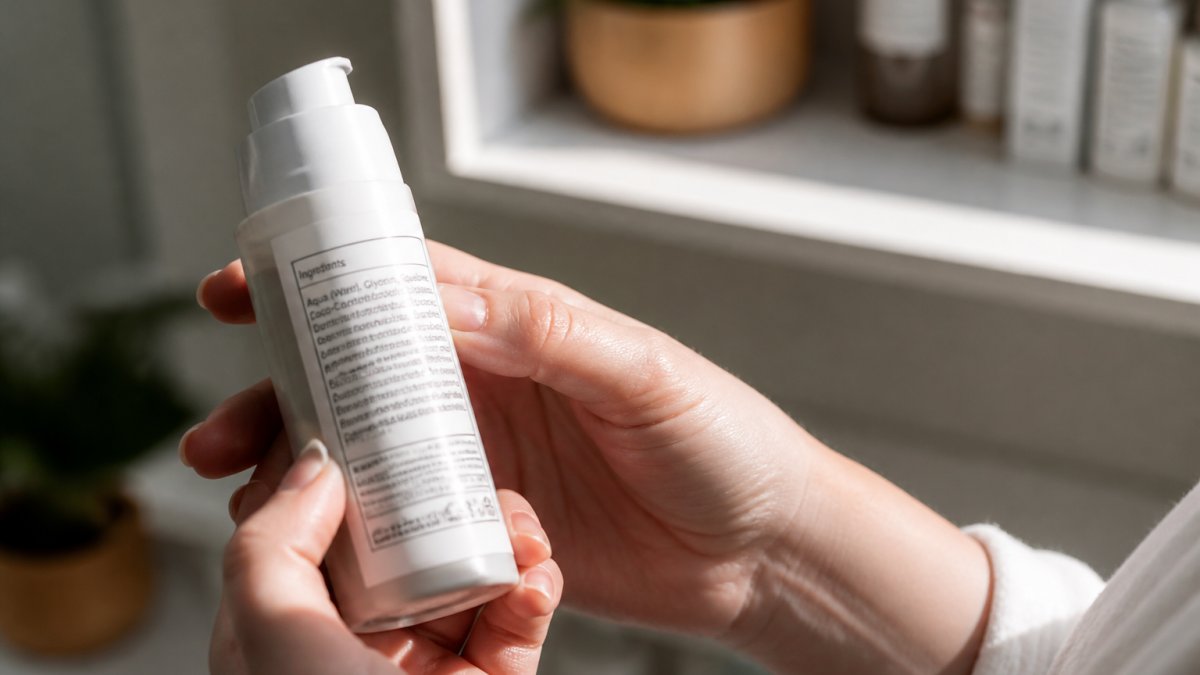
Ingredient lists are the truth. Everything else is marketing.
The FDA requires skincare products to list ingredients in descending order by concentration. The first five ingredients make up the bulk of the formula. If you see water listed first, the product is mostly water. If you see a powerful active ingredient listed fifth, the concentration is probably too low to deliver real results.
Key Ingredients That Deliver Real Results
Certain ingredients show up in quality skincare for a reason. They have research behind them. They work.
Glycolic acid exfoliates dead skin cells. It's an alpha hydroxy acid that breaks down the bonds holding old skin to the surface.
Retinol reduces fine lines and improves skin texture. It's a form of vitamin A that increases cell turnover.
Ceramides repair the skin barrier. They're lipids that hold skin cells together. If your skin feels tight or reactive, ceramides help restore function.
Hyaluronic acid holds water in the skin. It's a humectant, meaning it draws moisture from the air and binds it to your skin.
Niacinamide (vitamin B3) strengthens the skin barrier and reduces redness. It works for most skin types, including sensitive skin. It pairs well with other actives.
These ingredients appear in quality curated selections because they're proven. They're not trendy. They're foundational.
Red Flags in Ingredient Lists
Certain ingredients signal a lower-quality product or one that doesn't match what it claims.
Fragrance is a red flag for sensitive skin. Fragrance can trigger irritation and allergic reactions. If you have reactive skin, avoid it.
Alcohol (denat) dries skin. You'll see it in some toners and serums. It feels refreshing initially but damages the barrier over time.
Silicones feel smooth but don't penetrate skin. They sit on the surface.
Mineral oil is cheap and occlusive. It coats the skin without nourishing it. It's not harmful, but it's not a sign of quality either.
Dyes and artificial colors are unnecessary. If a product is dyed bright blue or pink, that's marketing, not efficacy. Quality products often look simple.
When you're evaluating a curated collection, check the ingredient lists. If the products are heavy on fragrance, silicones, and fillers, that's not curation.
Verifying Authenticity and Seller Credibility
This is where many online shoppers get burned. Counterfeit beauty products flood the market. They look identical to the real thing. The packaging is perfect.
Verify the seller before you buy. Here's what to check:
Does the seller have a clear return policy? Legitimate retailers make returns easy. If a site buries the return policy or makes it difficult, that's a warning sign. Green Vitality USA offers straightforward returns because we stand behind our products.
Are product descriptions detailed? Legitimate sellers provide ingredient lists, usage instructions, and skin type recommendations. Generic descriptions like "amazing skincare product" signal low effort and low trust.
Does the seller source directly from brands? Ask yourself: how is this retailer getting products at such a low price?
Check the product packaging. Real products have consistent fonts, colors, and label quality. Counterfeits often have slightly off printing, misspelled words, or packaging that feels cheap.
OUHOE Moisturizing And Brightening Toning Cream, Moisturizing Face, Beauty →
Look for seller reviews. Not just product reviews, seller reviews. What do customers say about authenticity? Shipping speed? Return experience?
Green Vitality USA sources directly from manufacturers. Every product is authentic. We verify batch numbers. We inspect shipments. This is non-negotiable for us because your trust is everything.
How to Compare Beauty Product Prices Without Sacrificing Quality
Price is confusing in beauty. A $10 moisturizer and a $60 moisturizer might have similar ingredient lists. A $5 serum might outperform a $40 competitor. How do you know what's actually worth the money?
Calculating Cost Per Use
The real metric isn't the price. It's cost per use.
A $50 face mask you use once a week lasts four months. That's 16 uses. Cost per use: $3.13.
A $15 moisturizer you use twice daily lasts two months. That's 120 uses. Cost per use: $0.13.
The mask feels expensive upfront. But per use, it's actually pricier than the moisturizer.
Calculate how long a product will last based on how much you use per application. A little goes a long way with serums and retinols. You might only need a pea-sized amount. A moisturizer requires more product.
Products from Green Vitality USA are priced to deliver value at cost per use. Our OUHOE Moisturizing and Brightening Toning Cream costs $12.49. Our OUHOE Facial Anti Wrinkle and Firming Skincare Products are similarly priced.
When you compare on cost per use instead of sticker price, the math becomes clear.
Avoiding Redundant Products in Your Collection
The biggest waste in skincare isn't buying bad products. It's buying duplicates of the same thing.
Many people own three moisturizers that do the same job. Two exfoliating products with the same active. Four serums targeting the same concern. This is where curation saves money.
A curated collection includes products that serve different purposes. You need:
- One cleanser for your skin type
- One exfoliant (chemical or physical, not both)
- One targeted serum (for your main concern: hydration, brightening, firming)
- One moisturizer
- One sunscreen
- Optional: a mask or treatment product for weekly use
That's a functional routine. Everything serves a purpose. Nothing overlaps.
Before buying a new product, ask: do I already have something that does this? If yes, skip it. If no, and it addresses a gap, add it.
This is what makes a curated collection valuable. It's complete without being bloated.
Online Beauty Store Shopping Tips for a Faster Decision
Online shopping for skincare means you can't touch the product or test it before buying. This makes the shopping experience harder.
Read the product description first, not the reviews. Reviews tell you what other people experienced. The description tells you what the product is designed to do.
Look for ingredient transparency. A quality online store lists full ingredients.
Check the return policy before adding to cart. You need to know: how long do I have to return? Is shipping covered? Do I need a reason?
Don't assume lower price means lower quality. Price reflects brand positioning, packaging, and marketing spend, not always formula quality. Compare ingredient lists, not prices.
Use filters if the site offers them. Some online stores let you filter by skin type, concern, or ingredient. This cuts your options from hundreds to dozens.
Building Your Balanced Beauty Edit: A Practical Checklist
A balanced beauty edit is complete without being excessive. It addresses your main concerns without redundancy.
Step 1: Identify your skin type and main concern. Are you oily with breakouts? Dry with sensitivity?
Step 2: Choose a cleanser for your skin type. This is non-negotiable.
Step 3: Add one active treatment. This targets your main concern. Breakouts?
Step 4: Choose a moisturizer that matches your skin type. Dry skin needs richer formulas. Oily skin needs lightweight options.
Step 5: Add sunscreen. Non-negotiable. Every single day. SPF 30 minimum (the American Academy of Dermatology).
Step 6: Optional, add one treatment product. A mask, serum, or oil for weekly use.
Step 7: Evaluate every three months. Is your skin improving? Are you actually using everything?
Use this checklist to build a routine that works. Not a routine that looks good on Instagram.
Frequently Asked Questions
What does curated beauty mean?
Curated beauty products are hand-selected items chosen based on quality, effectiveness, and fit for specific needs rather than random assortments. A curated collection means someone has vetted each product for ingredient quality, brand reputation, and suitability. This differs from buying individual products without guidance, curation saves time and reduces the risk of purchasing items that won't work for your skin type or routine.
How do I know if curated beauty products are authentic and not counterfeit?
Check the retailer's return policy. Look for consistent packaging, proper labeling. Reputable online beauty stores provide detailed product information. If prices seem suspiciously low compared to official retailers, verify the seller's credentials and read customer reviews about authenticity before purchasing.
How can I tell whether a beauty product's ingredients are right for me?
Start by identifying your skin type and any sensitivities. Then cross-reference the ingredient list with known irritants or beneficial compounds for your needs. Key ingredients like retinol, glycolic acid, and ceramides address specific concerns. If you have sensitive skin, avoid products with fragrance or alcohol high in the ingredient list. Many online beauty stores provide ingredient breakdowns and skin-type matching tools to help you evaluate suitability before buying.
Why should I buy curated beauty products instead of shopping around individually?
Curated products save time by filtering out low-quality options and reducing decision fatigue. A trusted curation means each item has been evaluated for ingredient transparency, efficacy, and value. You avoid buying redundant products or items that won't work together in a routine. Curated collections make premium skincare and wellness products more affordable than buying scattered items from multiple retailers.
Choosing the right curated beauty products doesn't have to be overwhelming. When you understand your skin type, read ingredient labels, and verify seller credibility, you make smarter purchases. Green Vitality USA simplifies this process with transparent product information, authentic sourcing, and a straightforward return policy. Shop our curated selection and discover how the right products make a real difference in your skincare routine.