 ultimate-guide
How to Choose Safe Wellness Supplements: A 2026 Guide
Table of Contents
- Why Choosing Safe Wellness Supplements Matters
- How to Read Supplement Labels and Identify Key Information
- Third-Party Supplement Testing and Certification Standards
- FDA Supplement Regulations Explained and What They Mean for Safety
- Red Flags and Misleading Claims to Avoid
- Checking Brand Reputation and Sourcing Transparency
- Consulting Healthcare Professionals Before Starting Supplements
- Conclusion
Last Updated: August 23, 2026
Why Choosing Safe Wellness Supplements Matters
The supplement industry generates billions in annual sales, yet many consumers remain uncertain about how to choose safe wellness supplements that actually deliver results. The challenge isn't finding options, it's separating legitimate, high-quality products from those that make unproven claims or contain harmful contaminants. At Green Vitality USA, we understand this confusion firsthand. Our mission is to provide a fast, user-friendly, and customer-focused shopping experience that brings premium goods directly to your door. The stakes matter. A poorly chosen supplement might contain heavy metals, undisclosed allergens, or ingredients that interact with your medications. Conversely, a well-researched choice can meaningfully support your health goals. The difference between the two often comes down to a few critical evaluation steps that most shoppers skip.
How to Read Supplement Labels and Identify Key Information
Your supplement label is a legal document. It tells you what's actually inside the bottle, what dose you're getting, and what the manufacturer claims about the product. Learning to read it correctly is your first line of defense against misleading products.
What the Supplement Facts Label Actually Tells You
The Supplement Facts label appears on every dietary supplement sold in the United States and follows a standardized format required by the FDA (the FDA). Start by looking at the "Serving Size", this tells you how many capsules, tablets, or grams constitute one dose. Many people make the mistake of assuming one bottle equals one serving. That's rarely true.
Below serving size, you'll find the "Amount Per Serving" for each active ingredient, listed in milligrams (mg) or international units (IU). This is where you discover the actual dose you're consuming. A magnesium supplement, for example, might list 400mg per serving, that's the therapeutic dose you're evaluating. Green Vitality USA's Magnesium Complex Wellness Capsules clearly display their elemental magnesium content so you know exactly what you're getting.
The "% Daily Value" column shows how much of the recommended daily intake that dose represents. If a nutrient shows "†" instead of a percentage, it means no official daily value has been established by the FDA, this doesn't mean it's unsafe, just that dosing recommendations vary based on individual needs.
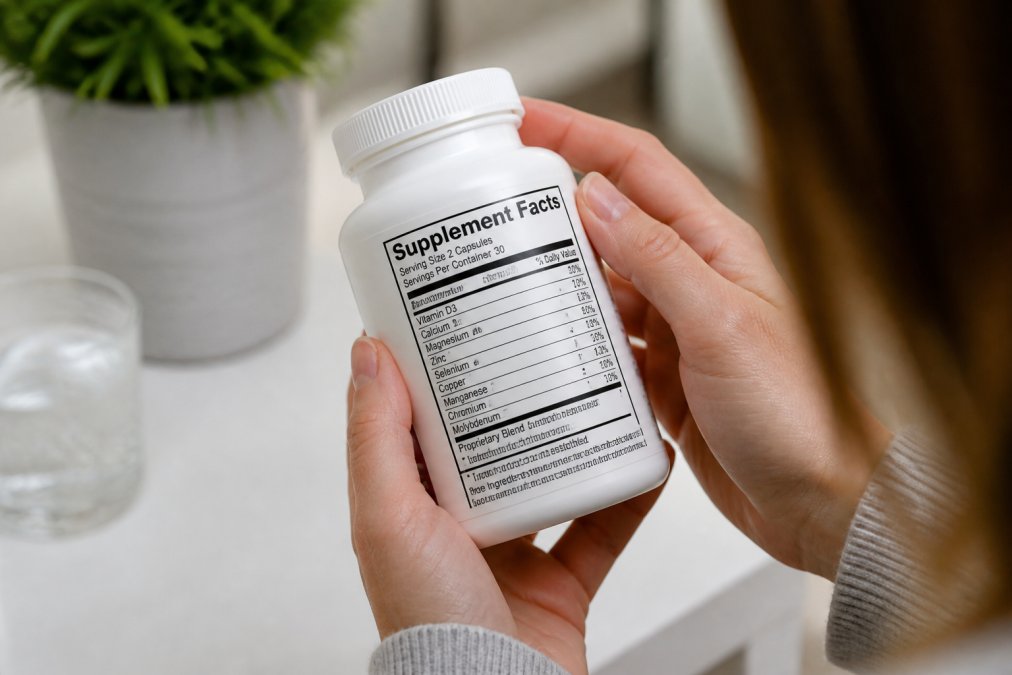
Pay attention to the "Other Ingredients" section. This lists fillers, binders, and additives that help form the tablet or capsule. Common ones include cellulose, magnesium stearate, and silica. These are generally recognized as safe, but if you have sensitivities, this section matters.
Active Ingredients vs. Fillers and Additives
The active ingredient is the compound you're taking the supplement for, the one with the claimed health benefit. Magnesium, vitamin D, curcumin, and ashwagandha are active ingredients. Fillers and additives serve structural purposes but don't contribute to the supplement's therapeutic effect.
Quality manufacturers minimize fillers and use ones that don't interfere with absorption. Some additives actually improve bioavailability, the rate at which your body absorbs and uses the nutrient. For example, black pepper extract (piperine) enhances curcumin absorption by up to 2000%, making it a valuable addition rather than filler (peer-reviewed research).
Check whether the supplement uses standardized extracts. A standardized extract has been tested to contain a specific percentage of the active compound. For example, a standardized ginger extract might guarantee 5% gingerols. This consistency matters for efficacy, you know you're getting a reliable dose every time.
Third-Party Supplement Testing and Certification Standards
Here's what most guides get wrong: the FDA doesn't pre-approve supplements before they hit shelves. That responsibility falls to manufacturers. This is where third-party testing becomes essential, it's your verification that what's on the label matches what's in the bottle.
What Third-Party Testing Verifies
Third-party testing laboratories analyze supplements for several critical factors. They confirm that active ingredient levels match label claims, sometimes manufacturers underdose products, other times they overfill them. Testing also screens for contaminants like heavy metals (lead, cadmium, mercury), microbial pathogens (E. coli, salmonella), and pesticide residues. These contaminants can accumulate in your body over time and cause serious health issues.
Quality testing also verifies purity and identifies whether the product contains undisclosed ingredients or allergens. Some supplements have been found to contain pharmaceutical drugs not listed on the label, a dangerous situation if you're also taking medications.
Recognized Certification Marks to Look For
Several organizations conduct rigorous third-party testing and award certification marks to products that pass:
USP (U.S. Pharmacopeia) is the gold standard in the industry. USP-verified supplements have been tested for identity, strength, purity, and manufacturing quality. The USP mark appears on the label and indicates the product met strict standards.
NSF International tests supplements for contaminants and verifies label accuracy. Their certification is particularly valuable for athletes, as NSF also screens for banned substances.
ConsumerLab independently tests supplements and publishes findings online. While they don't award a mark for the label itself, their published test results provide third-party verification of quality.
BSCG (Banned Substances Control Group) focuses on sports supplements, testing for contaminants and banned substances. This certification matters if you're an athlete or compete in regulated sports.
Look for these marks on the label or verify them on the manufacturer's website. A supplement without any third-party certification isn't necessarily unsafe, but it means you have less independent verification of what's inside.
FDA Supplement Regulations Explained and What They Mean for Safety
The FDA regulates dietary supplements differently than medications. Under the Dietary Supplement Health and Education Act (DSHEA), manufacturers are responsible for ensuring their products are safe and that label claims are truthful and not misleading (the FDA). The FDA doesn't review supplements before they're marketed, but it can take action against unsafe products after they're on the market.
This regulatory framework means you have more responsibility as a consumer. The FDA has authority to remove supplements from shelves if they're proven unsafe or if manufacturers make false claims. However, the burden of proof falls on the agency, not the manufacturer. This is why reading labels carefully and seeking third-party verification matters so much.
Manufacturers cannot claim a supplement treats, prevents, or cures a disease, those are drug claims. They can make "structure-function" claims like "supports healthy immune function" or "promotes relaxation," but only if those claims are supported by evidence. If you see language suggesting a supplement treats a medical condition, that's a misleading claim that violates FDA guidelines.
Red Flags and Misleading Claims to Avoid
Learning to spot misleading marketing is as important as reading labels. The supplement industry includes many legitimate companies, but it also attracts bad actors who exploit consumer confusion.
Drug-Like Claims and Unproven Health Promises
If a supplement claims to "cure," "treat," "prevent," or "diagnose" a disease, that's a drug claim. Supplements cannot make these claims legally. Phrases like "clinically proven to cure arthritis" or "eliminates anxiety" are red flags. Legitimate supplements use softer language: "may help support joint health" or "promotes relaxation."
Be skeptical of supplements claiming miraculous results with minimal effort. Weight loss supplements that promise 20 pounds in 30 days without diet or exercise changes are making unrealistic claims. Real health improvements take time and usually require lifestyle changes alongside supplementation.
Testimonials and before-and-after photos can be misleading, especially if they don't disclose that the person also changed their diet or exercise routine. A single person's experience doesn't prove efficacy for everyone.
Warning Signs of Unregulated or Adulterated Products
Adulterated supplements contain undisclosed ingredients, often pharmaceutical drugs or their analogs. These are particularly dangerous because you might unknowingly take a drug that interacts with your medications. Supplements marketed for sexual performance, weight loss, or muscle building are frequently adulterated with pharmaceutical compounds.
Extremely low prices compared to competitors can signal poor quality or adulteration. If a magnesium supplement costs half what others charge, ask why. It might be underdosed, contaminated, or filled with cheap fillers rather than active ingredients.
Products sold through multilevel marketing (MLM) structures warrant extra scrutiny. While not all MLM supplements are poor quality, the business model creates incentives for exaggerated claims and pressure to sell rather than focus on product quality.
Check whether the manufacturer lists a physical address and phone number. Legitimate companies provide contact information. If you can't find it, that's suspicious.
Checking Brand Reputation and Sourcing Transparency
A brand's reputation and transparency about sourcing reveal a lot about quality standards. Companies that invest in third-party testing, publish Certificates of Analysis, and disclose their sourcing practices are demonstrating confidence in their products.
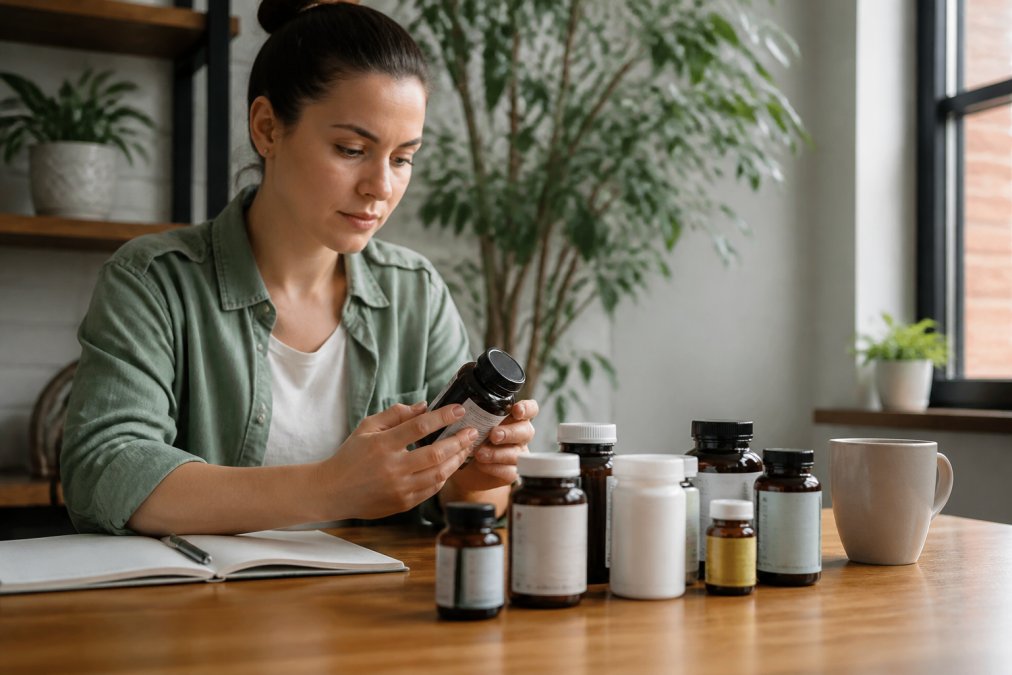
Look for brands that explain where their raw materials come from. Do they source from specific countries known for quality standards? Do they work with suppliers that have their own certifications? Transparency here suggests the company cares about ingredient quality from the sourcing stage onward.
Customer reviews provide useful signals, but read them critically. Look for patterns rather than individual opinions. If dozens of customers report the same issue, say, an upset stomach or no noticeable effect, that's meaningful. A few negative reviews among hundreds of positive ones is normal and doesn't necessarily indicate a problem.
Check how the company handles customer concerns. Do they respond to questions about ingredients, sourcing, or testing? Do they stand behind their products with a clear return policy? Companies that make it easy to return products they're not satisfied with are signaling confidence in quality.
Green Vitality USA curates its supplement selection specifically for quality and value. Our Magnesium Complex Supplement with Glycinate Citrate and Malate uses multiple forms of magnesium to improve absorption and includes non-GMO, vegan formulations. This level of specificity about ingredients and sourcing reflects a commitment to transparency.
Consulting Healthcare Professionals Before Starting Supplements
Even the safest supplement can cause problems if it interacts with medications you're taking or if it's inappropriate for your specific health situation. Professional guidance matters, especially if you have existing health conditions or take prescription medications.
Interactions with Prescription Medications
Many supplements interact with common medications in ways that reduce effectiveness or increase side effects. Magnesium supplements, for example, can reduce the absorption of certain antibiotics and bisphosphonates (bone-building medications). Vitamin K supplements can interfere with blood thinners like warfarin. Ginseng can affect blood sugar control in people taking diabetes medications.
These interactions aren't always obvious from reading a supplement label. A healthcare provider who knows your full medication list can identify potential conflicts before they become problems.
Some supplements also affect how your body metabolizes medications. St. John's Wort, commonly used for mood support, reduces the effectiveness of birth control pills, antidepressants, and heart medications. Grapefruit supplements interact with dozens of medications by inhibiting an enzyme your body uses to process them.
When to Seek Professional Guidance
Consult a healthcare provider before starting supplements if you're pregnant or breastfeeding. Many supplements haven't been adequately tested in these populations, and some can harm fetal development or pass into breast milk at unsafe levels.
If you have a diagnosed medical condition, professional guidance helps ensure a supplement actually addresses your needs rather than just treating symptoms. Someone with low iron levels, for example, needs to address the underlying cause, supplementing iron without investigating why levels are low might mask a more serious problem.
If you're about to have surgery, inform your healthcare provider about supplements you're taking. Some increase bleeding risk, others interact with anesthesia, and many should be discontinued before procedures.
Older adults should seek professional guidance before starting new supplements. Age-related changes in metabolism and the likelihood of taking multiple medications increase interaction risks.
Conclusion
Choosing safe wellness supplements comes down to a few core practices: reading labels carefully, verifying third-party testing, spotting misleading claims, and consulting healthcare professionals when your situation warrants it. The supplement market offers genuine value for people who approach it thoughtfully. Green Vitality USA's curated selection of wellness products, from our WINYEL Magnesium Complex with 12 forms of magnesium to our Magnesium L-Threonate Powder for cognitive support, reflects this commitment to quality and transparency. Start with one of these evidence-based products, verify the third-party certifications, and consult your healthcare provider if you take medications. Your careful approach to supplement selection today prevents problems and maximizes the benefits you'll experience.
Frequently Asked Questions
How does the FDA regulate dietary supplements?
The FDA oversees dietary supplements under the Dietary Supplement Health and Education Act (DSHEA). Unlike prescription drugs, supplements do not require FDA approval before sale, but manufacturers must ensure safety and accurate labeling. The FDA can take action against supplements that are mislabeled, contain contaminants, or make drug-like claims. Manufacturers must report serious adverse effects to the FDA, and the agency can remove unsafe products from the market. This regulatory framework means you bear more responsibility for vetting supplements yourself.
What third-party certifications should I look for when choosing safe wellness supplements?
Look for seals from NSF International, USP (United States Pharmacopeia), ConsumerLab, or Informed Choice. These organizations verify that supplements contain the ingredients listed on the label, are free of contaminants like heavy metals, and meet purity standards. Third-party testing provides independent verification that manufacturers aren't making false claims about potency or safety. Reputable brands display these certifications prominently on labels or websites because they demonstrate commitment to quality control and transparency.
Are natural supplements always safer than synthetic ones?
No. Natural doesn't automatically mean safer or more effective. Both natural and synthetic supplements can be contaminated, mislabeled, or cause adverse effects or interactions with medications. What matters is bioavailability, purity standards, and third-party testing, not whether the source is plant-based or lab-created. Some synthetic forms are actually better absorbed by your body. Always evaluate supplements based on evidence-based research, certification status, and brand reputation rather than assuming natural ingredients are inherently superior.
What should I do before starting a new supplement if I take prescription medications?
Consult your doctor or pharmacist before adding any supplement, even if it seems mild. Supplements can have contraindications and interactions with prescription drugs that reduce effectiveness or cause adverse effects. For example, magnesium supplements can interfere with certain antibiotics, and some herbal supplements interact with blood thinners. Your healthcare professional can review your current medications and advise whether a supplement is safe for you, recommend a therapeutic dose, and monitor for side effects. This conversation takes minutes but prevents serious health risks.
This article was written using GrandRanker