 how-to
Benefits of Cold Plunge Therapy for Muscle Recovery
Table of Contents
- What Cold Plunge Therapy Does to Your Body After Exercise
- How Long to Cold Plunge for Recovery: Temperature and Timing
- Cold Plunge After Workout: When to Get In and When to Wait
- Muscle Soreness, Swelling, and Pain Relief: What the Evidence Supports
- Cold Water Immersion and Muscle Growth: The Trade-Off to Know
- Cold Plunge Safety Precautions and Stop Criteria
- Pairing Cold Plunge Therapy With Other Recovery Tools
- Frequently Asked Questions
Last Updated: October 17, 2026
What Cold Plunge Therapy Does to Your Body After Exercise
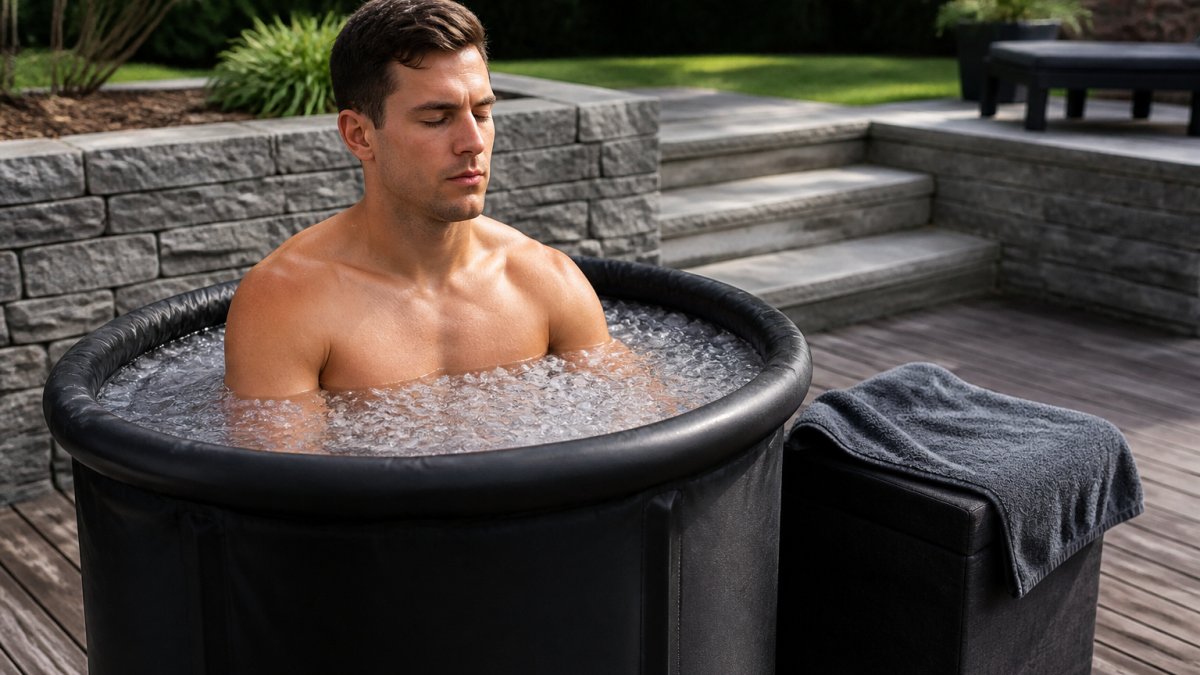
Cold plunge therapy is the practice of briefly immersing your body in cold water to support post-workout recovery. It triggers a cold shock response, tightens blood vessels, and shifts how blood flows through sore muscle tissue.
The idea is simple: cold exposure is a stressor. Your body reacts fast. That reaction is what people chase after a hard training session.
Here is what happens in the first few minutes:
- Skin blood vessels narrow, a process called vasoconstriction
- Blood flow shifts away from the skin and toward your core
- Your heart rate and breathing spike, then settle
- Muscle tissue cools, which may calm the sensation of soreness
Below, we break down the benefits of cold plunge therapy for muscle recovery, plus the trade-offs most guides skip.
The Cold Shock Response and Blood Flow
The cold shock response is your body's instant reaction to sudden cold water. It raises your heart rate, makes you gasp, and tightens blood vessels near the skin. That tightening is vasoconstriction, and it is why cold plunging can feel like it pushes swelling down.
When you step out, blood vessels widen again, a process called vasodilation. That rebound may help blood flow return to working muscles. Many athletes describe the post-plunge warmth as part of the appeal.
How Long to Cold Plunge for Recovery: Temperature and Timing
Most recovery protocols land in a narrow band: water between 50°F and 59°F (10°C to 15°C) for 5 to 15 minutes, performed within about an hour of finishing exercise. Colder water (around 45°F to 50°F) is often used for shorter bouts of 2 to 5 minutes. The research base for these ranges is modest, many studies use 10°C to 15°C for 10 to 15 minutes, so treat the numbers as a starting framework, not a prescription.
A practical progression:
- Weeks 1-2: 2 to 3 minutes at 59°F (15°C)
- Weeks 3-4: 5 minutes at the same temperature
- Weeks 5-8: 8 to 10 minutes at 54°F to 57°F (12°C to 14°C)
- Maintenance: 10 to 15 minutes at 50°F to 55°F (10°C to 13°C), 2 to 4 times per week
Three variables drive the outcome more than equipment:
Temperature. Colder is not automatically better. Below about 50°F, cold shock intensifies and the marginal recovery benefit is unclear, while the safety margin narrows. A thermometer is non-negotiable; guessing water temperature is the most common protocol error.
Duration. Longer sessions do not scale linearly. Past roughly 15 minutes at recovery temperatures, the added soreness relief is small while the risk of excessive cooling and prolonged shivering rises. Set a timer before you step in.
Timing after exercise. For soreness and swelling, entering within 30 to 60 minutes of finishing, once breathing and heart rate have settled, is the common window. For strength-focused sessions, delaying or skipping the plunge preserves anabolic signaling (covered in the next section).
Frequency matters too. Two to four sessions per week is a reasonable ceiling for most recreational athletes; daily plunging is common among competitive athletes but should be weighed against the strength trade-off and your recovery goals.
Individual differences are real. Body composition, cold tolerance, prior cold exposure, and ambient temperature all shift how a given protocol feels. Start at the shallow end of the range, log your response, and adjust one variable at a time.
Cold Plunge After Workout: When to Get In and When to Wait
The best time for a cold plunge after workout is within an hour of finishing, once your breathing has settled. That window is when soreness and swelling tend to build, so cold exposure can step in early.
But timing depends on your goal. If you are chasing strength gains, waiting may be smarter. More on that below.
When to get in:
- After steady cardio or a light session
- When soreness is your main complaint
- Once you have cooled down and stopped sweating
When to wait:
- Right after heavy strength training, if muscle growth is the priority
- If you feel dizzy, chilled, or unwell
- Within two hours of bedtime, since cold exposure can wake you up
Muscle Soreness, Swelling, and Pain Relief: What the Evidence Supports
Cold water immersion is most strongly linked to reduced soreness and swelling after exercise. Many athletes report less delayed-onset muscle soreness, the ache that shows up a day or two after training. Cold appears to slow the swelling response and calm pain signals.
What the evidence supports:
Polar Flex Cooling Gel Ultimate Pre And Post Workout Muscle Recovery →
- Reduced soreness in the days after hard exercise
- Less swelling around worked muscles
- Short-term pain relief and a calmer stress response
What it does not promise:
- Faster muscle repair at the tissue level
- A cure for injury
- Better performance on its own
Clinical evidence here is mixed and often based on small studies. Treat cold plunging as a comfort and recovery aid, not a proven repair method. The peer-reviewed sports medicine research on cold water immersion is worth reading before you build a strict protocol around it.
Cold Water Immersion and Muscle Growth: The Trade-Off to Know
Here is the part most guides leave out: cold water immersion and muscle growth may pull in opposite directions. The proposed mechanism is that cold exposure blunts some of the acute inflammatory and cellular signaling, including pathways associated with satellite cell activity and protein synthesis, that follow resistance training. In plain terms, the same stress response that makes you sore may also be part of the signal that drives adaptation, and cooling it down early could soften that signal.
The evidence is suggestive rather than settled. Several small training studies have reported attenuated gains in muscle size or strength when cold water immersion was applied immediately after resistance sessions, while others show little or no difference. Study designs vary widely in temperature, duration, timing, and training status, which makes firm conclusions difficult. The practical takeaway is not "avoid cold plunging" but "time it deliberately."
A goal-based decision framework:
- Hypertrophy or strength is the priority: Separate cold exposure from lifting by at least several hours, or place plunges on rest days and after cardio. Preserve the post-lifting window for protein, sleep, and progressive overload.
- Competition or event recovery is the priority: Immediate post-event immersion is reasonable when feeling fresh for the next bout matters more than long-term tissue adaptation.
- General fitness and soreness management: A short plunge after mixed sessions is unlikely to meaningfully compromise progress, especially if total training volume and nutrition are on point.
- In-season athletes: Weigh the schedule. Frequent immediate post-lifting plunges during a heavy strength block deserve more caution than occasional use around games or races.
What this means in practice: cold plunging is not anti-muscle, but it is not neutral either. The trade-off is real enough to plan around, and blanket advice like "always plunge after every workout" ignores it.
Cold Plunge Safety Precautions and Stop Criteria
Cold plunge safety precautions start with knowing your limits. Cold shock is real, and it can catch even fit people off guard. Never plunge alone if you are new to it, and always keep the session short at first.
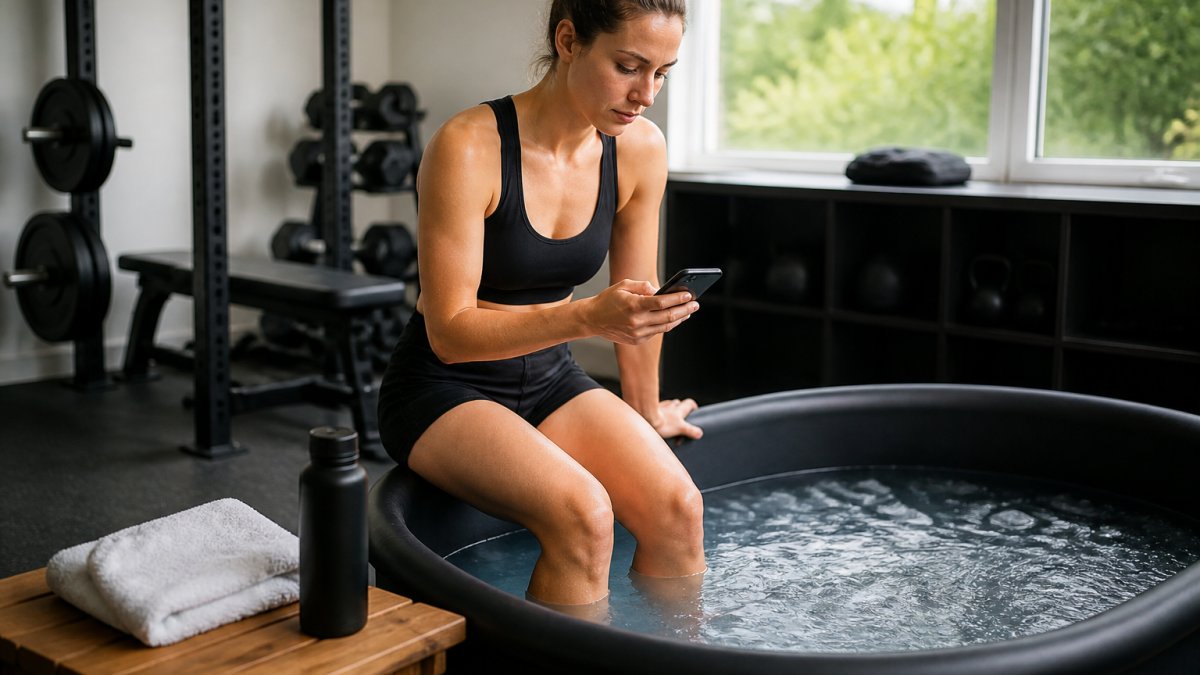
Key safety steps:
- Ease in, never jump, to limit cold shock
- Keep your head above water
- Set a timer and stick to it
- Warm up slowly afterward with dry clothes and movement
Stop and get out if you feel:
- Numbness that spreads or does not fade
- Dizziness, confusion, or a racing heart that will not settle
- Shivering you cannot control
People with heart conditions, high blood pressure, or circulation problems should talk to a doctor first. The American Heart Association guidance on cold exposure and heart health explains why sudden cold can stress the heart.
Pairing Cold Plunge Therapy With Other Recovery Tools
Cold plunge therapy works best alongside other recovery methods, not in place of them. Think of it as one lever among several. Sleep, food, and light movement do the heavy lifting.
Tools that pair well:
- Compression and elevation to support circulation
- Gentle massage to ease tight muscles
- Topical cooling gels for targeted post-workout comfort
- TENS and light therapy for pain relief and relaxation
At Green Vitality USA, we carry recovery essentials like our Polar Flex Cooling Gel, a pre- and post-workout muscle recovery gel, and our roller ball massager for easing tight spots. For deeper recovery, our red light therapy panel and TENS unit round out a home recovery setup.
A quick way to compare recovery tools:
| Tool | Best For | Timing | Notes |
|---|---|---|---|
| Cold plunge | Soreness, swelling | Within 1 hour post-workout | Skip after heavy lifting |
| Cooling gel | Targeted comfort | Before or after training | Easy to apply |
| Roller massager | Tight muscles | Any time | Keep pressure gentle |
| TENS unit | Pain relief | After activity | Follow device guidance |
Cold recovery only pays off when it fits your goals and your body. If strength and muscle growth top your list, time your plunges carefully. If feeling fresh and mobile matters more, a short, safe cold session can earn its place in your week.
At Green Vitality USA, we make it easy to build that routine with affordable, high-quality wellness and recovery goods delivered to your door. Our curated catalog, fast shopping experience, and customer-first service mean you spend less time hunting and more time recovering. Shop Now and find the recovery tools that fit your training.
Frequently Asked Questions
Can cold plunges reduce muscle soreness after a workout?
Research reviews generally link cold water immersion to reduced delayed-onset muscle soreness in the days after hard training, likely through lower tissue temperature, reduced blood flow to the area, and less swelling. The effect is most consistent when the water is roughly 50-59°F and you stay in for about 10-15 minutes. It is a comfort and symptom tool, not a guarantee, and it works best alongside sleep, food, and sensible programming rather than as a replacement for them.
How long should you stay in a cold plunge for muscle recovery?
Most protocols used in recovery research run 10-15 minutes at water temperatures around 50-59°F. If you are new to cold exposure, start with 2-3 minutes and build up across sessions as your cold shock response settles. Colder water does not automatically mean better results, and longer is not better if you are shivering hard or numb. A timer keeps the session honest, and you should get out if your skin goes numb or you feel dizzy.
When should you take a cold plunge after a workout?
The common window is within about an hour of finishing training, once your heart rate has come down and you have cooled off from the session. Going in while still overheated makes the cold shock response harsher. If your goal is strength or muscle growth, keep cold water immersion away from hypertrophy-focused lifting sessions and save it for days when soreness or swelling is the main problem you want to manage.
Is a cold plunge safe for everyone?
No. Cold water immersion carries real risks for people with heart conditions, uncontrolled high blood pressure, peripheral neuropathy, or Raynaud's phenomenon, and it should be cleared with a doctor first. Never plunge alone, keep your head above water, and set a hard time limit. Get out immediately if you feel chest pain, severe shortness of breath, confusion, or numbness that does not fade. Pregnant people and anyone recovering from surgery should also check with a clinician before starting.