 ultimate-guide
Are Online Wellness Stores Selling Expired Products? Facts
Table of Contents
- Can Online Wellness Stores Legally Sell Expired Products?
- Sell-By vs. Use-By: What Those Dates Actually Mean
- FDA Regulations on Supplement Expiration Dates
- The Dangers of Using Expired Health Supplements
- How to Check Batch Codes on Skincare Products
- What to Do If You Receive Expired Products
- Bottom Line: Buy With Confidence, Not Caution
- Frequently Asked Questions
Last Updated: September 8, 2026
Can Online Wellness Stores Legally Sell Expired Products?
The short answer is no, but the legal reality is more nuanced than a simple yes or no. While no federal law explicitly criminalizes selling food or supplements past their labeled date in the United States, retailers must comply with FDA regulations on supplement expiration dates and consumer protection laws that prohibit deceptive practices. This guide breaks down what those dates mean, where the legal grey zone exists, and how to protect yourself when shopping for wellness products online.
Most shoppers assume an expiration date is a hard safety cutoff, but the distinction between "expired products" and "past-date products" creates confusion. Selling a product past its date isn't automatically illegal, but selling one that is unsafe, misbranded, or adulterated under federal rules is a different matter.
Sell-By vs. Use-By: What Those Dates Actually Mean
Sell-by dates, use-by dates, and best-before dates are quality indicators, not food safety deadlines. These labels communicate peak freshness to retailers and consumers, and they are largely voluntary except for infant formula. The confusion between these terms leads many shoppers to discard perfectly safe products or, conversely, to trust a product that has genuinely degraded.
Here is how the three main label types break down:
- Sell-by date: Tells the store how long to display the product for inventory management. The product remains safe for a period after this date.
- Use-by date: The manufacturer's recommended date for peak quality. This is the last date the product is expected to retain its best flavor or texture.
- Best-before date: Similar to use-by, this indicates quality, not safety. Many products remain safe well past this date.
For perishable goods like dairy or meat, the margin between quality and safety narrows considerably. For shelf-stable wellness items like vitamins, the stakes are lower for safety but higher for potency. A multivitamin past its date won't make you sick, but it may deliver a fraction of the labeled active ingredients.
FDA Regulations on Supplement Expiration Dates
The regulatory landscape for online wellness stores is fragmented, and understanding it requires separating food rules from supplement rules. The U.S. Food and Drug Administration does not mandate expiration dates on most dietary supplements. When a manufacturer voluntarily includes one, that date becomes a guarantee of potency and stability under stated storage conditions. This is governed by the Dietary Supplement Health and Education Act of 1994, which places responsibility on manufacturers to ensure their products are safe, properly labeled, and contain the ingredients listed on the Supplement Facts panel.
Grocery items like milk or meat fall under FDA and state health department jurisdiction for food safety, while dietary supplements are regulated more like foods than drugs, but with a key difference. Supplements cannot legally be sold if they are "adulterated", containing a poisonous or deleterious substance, or if their strength differs from what the label claims. When active ingredients degrade past the labeled amount, the product becomes misbranded under the Federal Food, Drug, and Cosmetic Act, regardless of whether an expiration date is printed. This is the legal hook regulators use when they pursue enforcement.
For online retailers specifically, the enforcement chain differs from physical stores. The FDA's Office of Regulatory Affairs conducts inspections and can issue warning letters to e-commerce operations, but the agency's resources are primarily directed at manufacturers, not individual retailers. The Federal Trade Commission (FTC) plays a more active role for online sellers, policing deceptive advertising and marketing claims under Section 5 of the FTC Act. If a wellness store advertises a product as "fresh" or "potent" while shipping units past their labeled date, the FTC can pursue action for false advertising even if the FDA does not.
State-level oversight adds another layer. Many states adopt the FDA Food Code, which contains provisions about adulterated food, and state attorneys general can bring consumer protection actions against online retailers doing business within their borders. California's Sherman Food, Drug, and Cosmetic Law, for example, mirrors federal adulteration standards and applies to out-of-state sellers shipping into the state. This means an online wellness store in one state can face enforcement from another state's regulators if it ships expired products across state lines.
The practical takeaway: no single agency runs a comprehensive sweep of online wellness stores checking expiration dates. Enforcement is complaint-driven and reactive. The FDA's MedWatch program allows consumers to report adverse events, and the agency does track patterns. But for routine issues like receiving a vitamin bottle six months past its date, the more effective complaint channels are your state attorney general's consumer protection office and the FTC's Consumer Sentinel Network, which aggregates complaints and triggers investigations.
For consumers, this regulatory gap means vigilance is the primary defense. Unlike grocery stores, online wellness retailers rarely face unannounced inspections; the agencies that could act typically respond to complaints rather than proactive sweeps. Knowing which agency to contact and what information to include (product name, batch code, date, photos, order number) increases the likelihood of meaningful enforcement action.
The Dangers of Using Expired Health Supplements
The primary risk of expired health supplements is not toxicity, but reduced effectiveness. Fat-soluble vitamins, probiotics, and certain botanical extracts lose potency over time, especially when exposed to heat, light, or humidity. A probiotic past its expiration date may contain far fewer live cultures than the label promises, defeating the purpose of taking it.
The dangers become more serious for specific categories. Omega-3 fish oils can oxidize, producing rancid compounds that may cause stomach upset, and gelatin capsules can degrade and lose their protective coating. For people relying on supplements for genuine deficiencies, an ineffective product isn't just wasted money, it's a health risk in itself.
The FDA does require expiration dates on over-the-counter drugs and infant formula, and these are the products where using past-date items carries real danger. For dietary supplements, the agency's guidance on expiration dating for OTC monograph drugs illustrates the stricter standards applied to pharmaceuticals versus wellness products.
How to Check Batch Codes on Skincare Products
Skincare products often use batch codes rather than simple expiration dates, and decoding these codes is a practical skill for online shoppers. A batch code is an alphanumeric string printed on the bottom of the container or crimped into the seal, telling you when the product was manufactured. Unlike food labels, these codes are not standardized across brands.
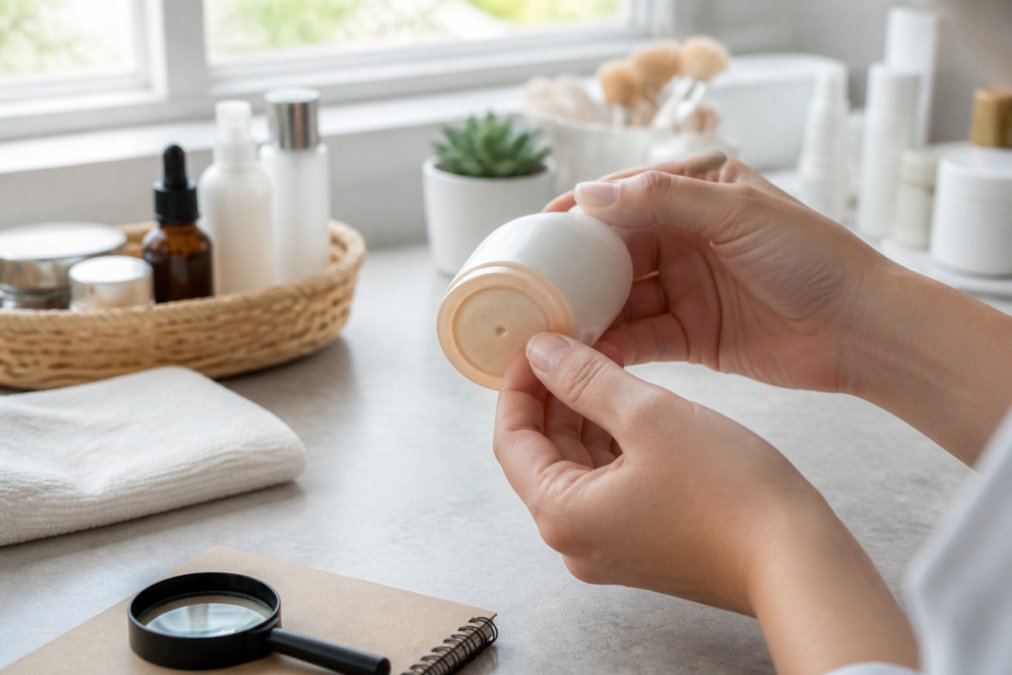
To check a batch code on your skincare products, follow these steps:
- Locate the code on the bottom of the jar, the crimped end of a tube, or the back label near the barcode.
- Note the format. Some brands use a simple date like "25091" for the 91st day of 2025, while others use internal ciphers.
- Use a batch code decoder website or app that maintains databases of brand-specific formats.
- Contact the manufacturer directly with the code if online tools don't recognize it.
Most skincare products remain stable for 12 to 36 months from manufacture when unopened. Once opened, the shelf life drops significantly, which is why you should also look for the "period after opening" symbol, a small jar icon with a number like "6M" or "12M" printed on the label.
What to Do If You Receive Expired Products
Receiving an expired product from an online wellness store differs from finding one on a grocery shelf: you cannot inspect the item before purchase, you rely on the seller's storage practices, and the product may have traveled through multiple climate zones. The steps you take matter for both your refund and regulatory tracking.
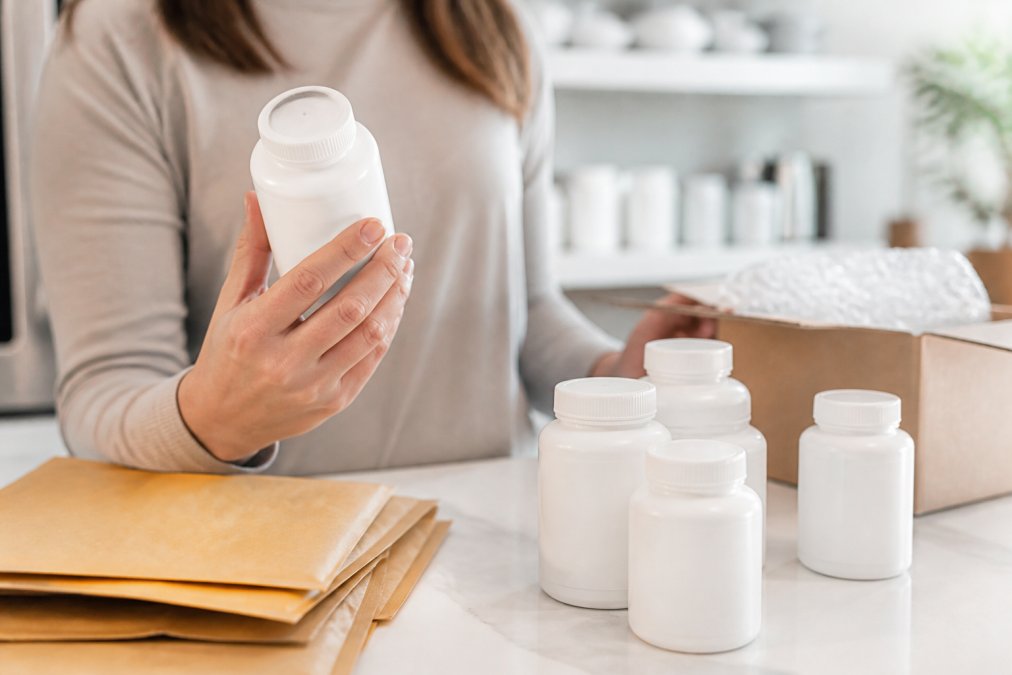
Step 1: Document everything before touching the product. Photograph the outer shipping box, the packing slip, the product label showing the date or batch code, and the condition of seals and packaging. If the bottle arrived with a broken seal, crushed capsules, or liquid that has separated, photograph those details too. This documentation is your evidence for the seller, your payment processor, and any regulatory complaint you file.
Step 2: Inspect product integrity, not just the date. A product can arrive within its labeled date range but still be compromised. Temperature-sensitive wellness products, probiotics, fish oil, liquid vitamins, and certain botanical extracts, degrade when exposed to heat during shipping. The FDA's guidance on good manufacturing practices for dietary supplements notes that manufacturers must ensure products maintain their potency through the labeled shelf life under stated storage conditions, but that guarantee does not extend to damage incurred during transit. Signs of heat damage include:
- Capsules that have melted, fused together, or stuck to the inside of the bottle
- Liquids that have changed color, developed cloudiness, or separated into layers
- Softgels that appear shriveled, cracked, or have an unusual odor
- Powders that have clumped or changed texture
If you see any of these signs, document them and report them to the seller regardless of the date on the label, the product may have been stored improperly or damaged in transit.
Step 3: Contact the seller with specific claims. Reputable online wellness stores will offer a replacement or refund without requiring you to ship the product back, especially for perishable or temperature-sensitive items. Include your order number, photos, the specific date or batch code, and a clear statement of the issue. Sellers who refuse to address legitimate complaints are the ones to escalate.
Step 4: Escalate through payment channels. If the seller is unresponsive or refuses a refund, your credit card company offers dispute mechanisms under the Fair Credit Billing Act for goods "not as described." This applies when a product arrives expired or degraded. File the dispute within 60 days of the statement date showing the charge. Include your documentation and a clear explanation that the product did not match its labeled potency or freshness claims.
Step 5: File regulatory complaints strategically. For supplements, report to the FDA's Consumer Complaint Reporting System, which feeds into the agency's adverse event monitoring. For deceptive advertising or marketing practices, file with the FTC at ReportFraud.ftc.gov. For state-level consumer protection, contact your state attorney general's office. Each complaint should include the product name, manufacturer, batch code, expiration date, where you purchased it, and what happened. Individual complaints may not trigger immediate action, but patterns across multiple consumers do.
Step 6: Know your return policy rights before you buy. The FTC's Mail, Internet, or Telephone Order Merchandise Rule requires sellers to ship within the advertised time frame but does not mandate return policies for expired goods. Your protection comes from the implied warranty of merchantability under state law, which requires products to be fit for their ordinary purpose. A supplement that has lost its potency is not fit for its purpose, giving you legal grounds for a refund even under a restrictive return policy.
For future purchases, check the seller's return policy before ordering. Look for explicit statements about expired or damaged products and note whether the seller requires return shipping. Sellers who offer no-questions-asked replacements signal confidence in their inventory management; sellers who resist addressing expired products signal the opposite.
Bottom Line: Buy With Confidence, Not Caution
Most established online wellness retailers do not sell expired products, because doing so invites liability, chargebacks, and reputational damage. The stores that cut corners on inventory management are typically the same ones that cut corners on authenticity and customer service. When you buy from a retailer that curates its inventory and stands behind its products, the risk drops dramatically.
At Green Vitality USA, our approach is built on fast, user-friendly shopping and a customer-service orientation. We curate our health, beauty, and wellness products with years of industry experience, priced affordably without sacrificing quality or freshness standards.
The best defense against receiving expired products is choosing retailers who have a vested interest in your repeat business. Look for stores with clear return policies, responsive customer support, and transparent product sourcing. A store that makes it easy to ask questions before you buy is usually the same store that handles problems gracefully after you buy.
Frequently Asked Questions
Can stores legally sell expired products?
In most cases, yes. Federal law does not prohibit selling food or wellness products past their 'best by' or 'sell-by' dates, as these indicate quality, not safety. The one major exception is baby formula, which cannot be sold past its use-by date. For supplements and cosmetics, the FDA focuses on safety and labeling, not freshness. A store selling truly spoiled or adulterated goods faces liability, but simply having an old date on the label is not automatically illegal.
How can I tell if a health supplement or skincare product is expired?
Check the printed date on the label first. If there is no date, look for a batch code, a series of letters and numbers stamped on the bottom or crimp of the tube. You can often decode this code on the manufacturer's website or through a database like CheckFresh. Also use your senses. If a supplement smells rancid, changes color, or has clumped, and if skincare separates or smells different, do not use it.
What should I do if I receive an expired product from an online store?
Contact customer service immediately with your order number and a photo of the product's date or batch code. Most reputable retailers will offer a refund or replacement without requiring a return. If the product is a dietary supplement and you believe it is unsafe, you can also file a report with the FDA's MedWatch program. In practice, a quick email with clear photos resolves the issue fastest.
Do FDA regulations cover expiration dates on cosmetics and supplements?
Not directly. The FDA does not require cosmetics or dietary supplements to carry an expiration date. However, dietary supplements must be labeled with a 'best if used by' date if they contain ingredients that lose potency over time. The FDA regulates these products for safety and good manufacturing practices, but it does not mandate a freshness standard. This means a store can legally sell a supplement with an old date as long as the product is not adulterated or misbranded.
Buying wellness products online should not require a forensic audit of every label. Choose a retailer that does that work for you. Get started with Green Vitality USA and shop a curated selection of health and wellness essentials you can trust to arrive fresh, authentic, and ready to use.