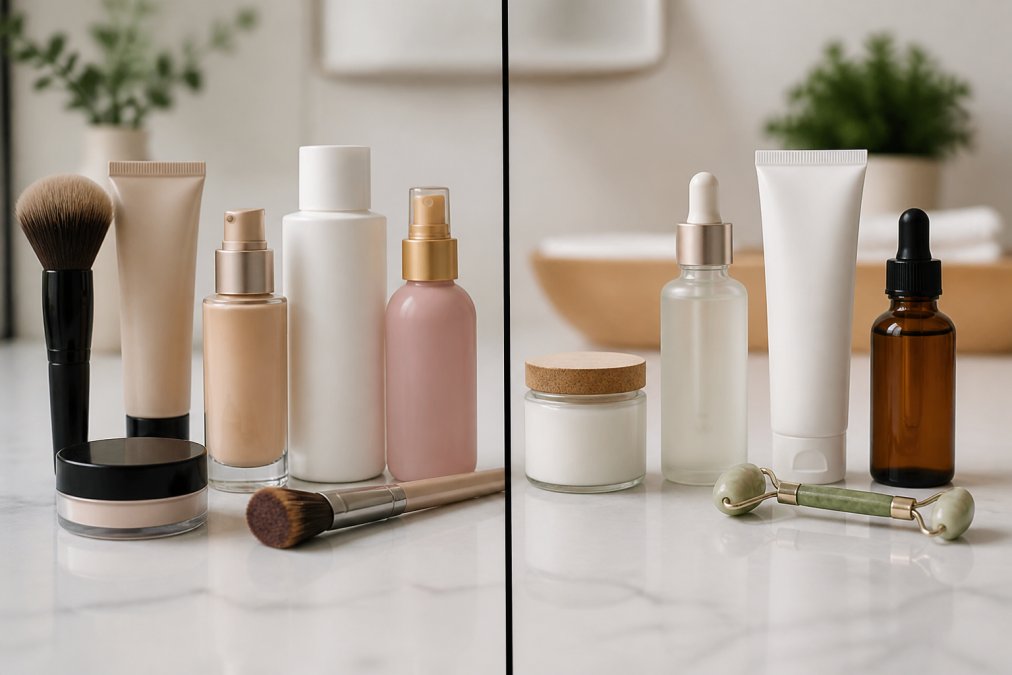
 comparison
Organic vs Synthetic Skincare Ingredients Explained
Table of Contents
- Organic vs Synthetic Skincare Ingredients: Core Differences
- Natural and Synthetic Skincare Ingredient Examples
- Benefits and Drawbacks of Natural Ingredients
- Benefits and Drawbacks of Synthetic Ingredients
- Are Organic Skincare Products Better for Your Skin
- How to Read Skincare Ingredient Labels
- Stability, Shelf Life, and Environmental Impact
- Making Your Choice: Natural, Organic, or Synthetic
- Frequently Asked Questions
Last Updated: October 15, 2026
Organic vs Synthetic Skincare Ingredients: Core Differences
Understanding organic vs synthetic skincare ingredients explained matters for informed choices. The distinction reflects how ingredients are sourced, processed, and formulated.
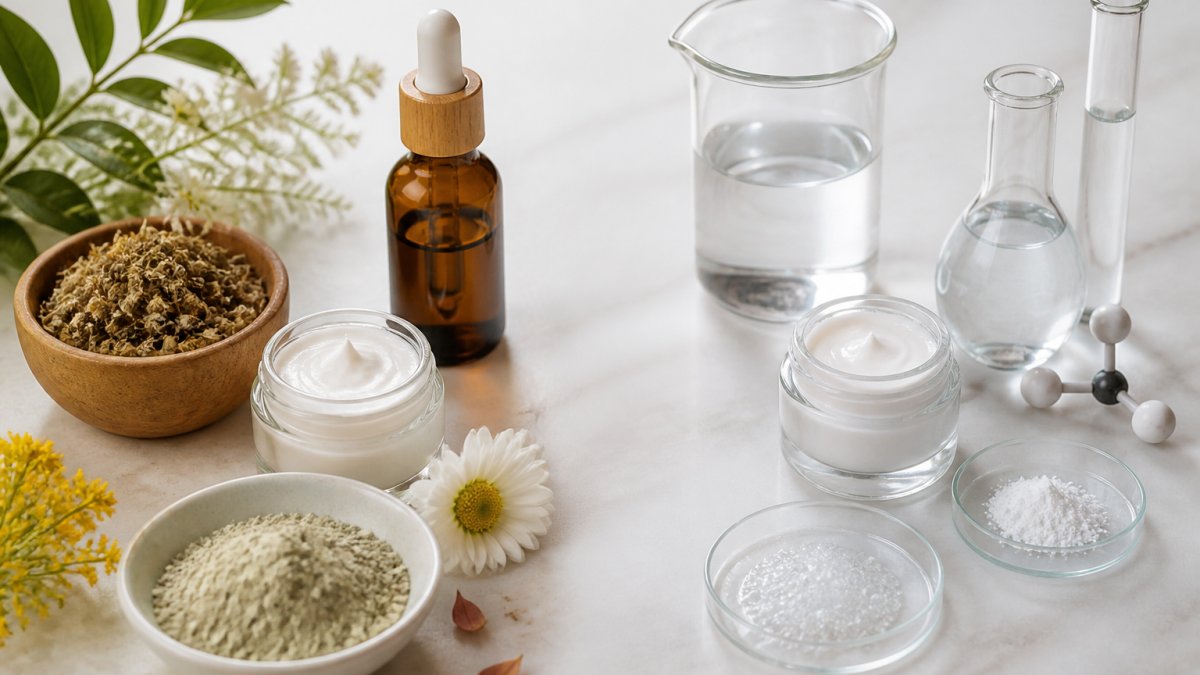
At Green Vitality USA, we break down what these terms mean. Natural ingredients come from plants, minerals, or animals without significant chemical alteration. Organic ingredients are natural ingredients grown without synthetic pesticides or fertilizers, verified by certification. Synthetic ingredients are created in laboratories to replicate or improve upon compounds found in nature.
Your skin responds differently to each category. A plant extract might soothe irritation, but a synthesized version of the same compound might penetrate deeper or remain stable longer. Neither is inherently superior; what works depends on your skin type and needs.
What Makes an Ingredient Organic
An organic ingredient starts as a plant, mineral, or animal product grown without synthetic pesticides, herbicides, or fertilizers, following guidelines enforced by certification bodies.
To claim organic status, the ingredient must meet organic farming standards during cultivation, with no synthetic chemical inputs. After harvest, extraction or processing can introduce non-organic elements, which is why "organic" doesn't always mean "100% organic by weight."
Common organic skincare ingredients include aloe vera, shea butter, coconut oil, and botanical extracts like green tea, all from certified organic farms. The appeal: no pesticide residues, no synthetic fertilizers, support for sustainable farming. But organic status doesn't guarantee higher efficacy or safety; it's a statement about farming practices, not skin performance.
How Synthetic Ingredients Are Created
Synthetic ingredients are manufactured in laboratories through chemical synthesis. Scientists identify an active compound, often one that exists in nature, and recreate it or engineer a similar molecule for a specific effect.
Why make something synthetic when nature already has it? Synthesis allows precise control over purity and concentration: a synthetic retinol is always the same compound at the same strength, while a plant extract varies by growing conditions, harvest timing, and processing.
Common synthetic skincare ingredients include retinol, hyaluronic acid, peptides, and preservatives like phenoxyethanol. These aren't "chemicals", all skincare is chemistry, but they're engineered rather than extracted, and the manufacturing process is regulated and reproducible.
Natural and Synthetic Skincare Ingredient Examples
Specific ingredients clarify how organic vs synthetic skincare ingredients explained works in practice.
Common Natural Ingredients and Their Sources
Aloe vera comes from the gel inside aloe leaves grown in warm climates. It soothes irritation and hydrates skin, well-tolerated by sensitive skin, but its active compounds degrade quickly, so products need preservatives.
Shea butter is extracted from shea tree nuts, primarily in West Africa.
Honey contains amino acids, antioxidants, and humectants that draw moisture into skin.
Botanical oils like jojoba, rosehip, and argan come from seeds or fruits and contain vitamins, antioxidants, and essential fatty acids.
Essential oils are concentrated plant extracts used in small amounts for fragrance and minor skin benefits. Lavender, tea tree, and chamomile are common examples.
Common Synthetic Ingredients and Their Purpose
Retinol is a lab-synthesized form of vitamin A and one of the most researched anti-aging ingredients, proven to reduce fine lines and improve texture.
Hyaluronic acid is a humectant that holds water in skin, plumping it and reducing wrinkles.
Peptides are short amino acid chains engineered to signal skin cells to produce more collagen or improve barrier function.
Preservatives like phenoxyethanol, methylisothiazolinone, and parabens are synthetic compounds that prevent bacterial and fungal growth.
Silicones like dimethicone create a smooth, silky texture without clogging pores. Entirely synthetic, they're stable, non-irritating, and particularly useful in primers and foundations.
Benefits and Drawbacks of Natural Ingredients
Natural ingredients appeal to consumers, but they come with real limitations.
Benefits of natural ingredients: They're often gentler and less likely to irritate sensitive skin. Many natural compounds, aloe, honey, green tea, have been used for centuries, creating familiarity. They frequently contain multiple active compounds, offering complex benefits beyond a single mechanism, and align with sustainability values.
Drawbacks of natural ingredients: Efficacy varies with growing conditions, harvest timing, and processing, so a batch of rosehip oil from one supplier may differ from another. Natural ingredients often degrade quickly, requiring more preservatives, ironically, a "natural" product can contain more synthetic preservatives than a synthetic-ingredient one.
Benefits and Drawbacks of Synthetic Ingredients
Synthetic ingredients dominate modern skincare for reasons rooted in science and efficacy, though they carry trade-offs.
Benefits of synthetic ingredients: They're consistent batch to batch, a synthetic retinol is always the same molecule at the same concentration, which lets dermatologists recommend specific ingredients with confidence.
Drawbacks of synthetic ingredients: Some people experience irritation, particularly with actives like retinoids or acids. They can feel less "natural" or trustworthy to consumers, even when safe and effective. Manufacturing requires energy and chemical processes, raising environmental concerns, and some synthetic preservatives have faced scrutiny, though regulatory bodies deem them safe at cosmetic concentrations.
Are Organic Skincare Products Better for Your Skin
The short answer: organic status doesn't determine whether a product will work for your skin. What matters is the specific ingredient, its concentration, and how it interacts with your skin type.
A product can be entirely organic and ineffective; a synthetic one can deliver dramatic results. Organic certification verifies farming practices, not performance.
The real question isn't "organic or synthetic?" but "what does my skin need, and which ingredients deliver that?" Severe acne may call for synthetic retinoids or salicylic acid, better studied than most natural alternatives. Sensitive skin may do better with gentle natural ingredients like aloe and chamomile.
Effectiveness and Suitability by Skin Type
Oily skin benefits from lightweight, non-comedogenic ingredients. Synthetic silicones and niacinamide work well; natural oils, even light jojoba, can feel heavy. Salicylic acid, a synthetic ingredient, is highly effective for oily, acne-prone skin.
Dry skin thrives with rich moisturizers. Natural (shea butter, plant oils) and synthetic (hyaluronic acid, glycerin) ingredients both work, often best combined: natural oils nourish deeply while synthetic humectants draw moisture in.
Hoygi Retinol Cream Hydrates, Moisturizes And Nourishes Facial Skin, Reduces →
Sensitive skin does better with gentle, non-irritating ingredients. Natural aloe and honey are often safer, but some natural ingredients, essential oils, botanical extracts, fragrance, are common irritants.
Combination skin needs balance: lightweight, non-comedogenic products on oily zones and richer moisturizers on dry areas. Both natural and synthetic ingredients can work.
Safety, Irritation, and Allergy Considerations
Safety is where the natural-versus-synthetic distinction matters most. Synthetic ingredients are FDA-regulated and must meet safety standards before cosmetic use, with documented, reproducible manufacturing that reduces contamination risk. Synthetic preservatives, though sometimes controversial, are proven effective at preventing bacterial and fungal growth.
Natural ingredients aren't automatically safer. Botanical extracts can contain allergens; essential oils are potent and can trigger reactions, especially in sensitive skin; bee-derived products like honey and propolis cause reactions in people allergic to bees.
Irritation risk depends on the specific ingredient and your skin's sensitivity, not whether it's natural or synthetic. Retinol irritates some people; so does cinnamon extract. Hyaluronic acid is gentle for most; so is aloe vera.
How to Read Skincare Ingredient Labels
Understanding ingredient labels helps you make informed choices about what you're buying and whether it matches your skin's needs.
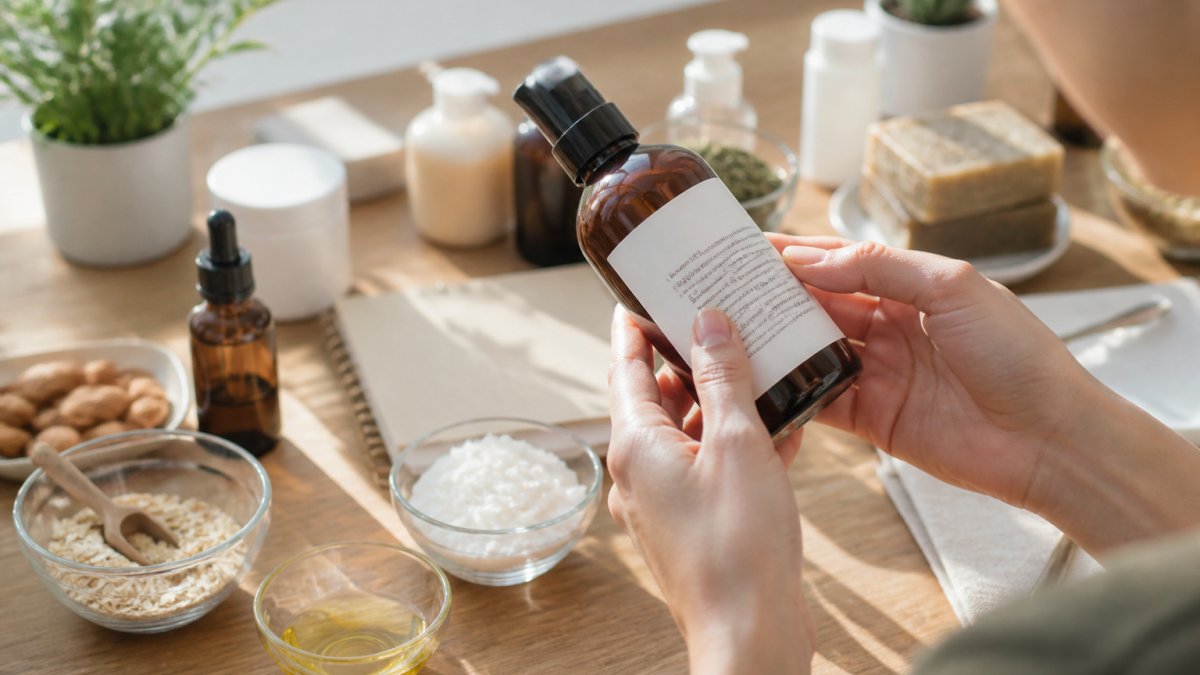
Skincare products list ingredients in descending order by concentration. The first ingredients make up the bulk; those near the end are present in tiny amounts.
Ingredient names are standardized using INCI (International Nomenclature of Cosmetic Ingredients) nomenclature: aloe vera appears as "Aloe Barbadensis Leaf Juice," and hyaluronic acid as "Sodium Hyaluronate." Recognizing these names helps you identify what you're buying.
Concentration matters enormously: 50% hyaluronic acid hydrates more effectively than 1%. Unfortunately, labels don't list concentrations for most ingredients, so you rely on marketing claims, reviews, or research. Reputable brands earn trust by publishing concentrations of key actives.
Certification and Labeling Standards
In the United States, the FDA oversees cosmetic labeling and requires all ingredients be listed, but it doesn't regulate "natural" or "organic" claims on cosmetics the way it does on food.
Third-party certifications provide more assurance. USDA Organic verifies ingredients meet organic farming standards; ECOCERT and other international certifiers audit for organic content and environmental practices; NSF confirms specific standards for organic content and sustainability. These aren't required, but they provide transparency.
Look for labels specifying what's certified organic: "made with organic ingredients" means at least 70% organic, while "organic" means at least 95% organic by weight, excluding water and salt. These distinctions matter if organic status influences your purchase.
Decoding Concentration and Formulation
Active ingredients, the compounds doing the work, are often listed after several others because they're present in lower concentrations. A serum might list retinol fifth or sixth, meaning the first four ingredients make up most of the product.
Look for products that specify active concentrations in marketing materials: "0.5% retinol," hyaluronic acid with stated molecular weight and concentration, or "10% L-ascorbic acid." These specifics indicate a brand confident in its formulation and willing to be transparent.
Formulation matters as much as ingredients. A product might contain excellent ingredients in a formulation that doesn't deliver them effectively. Oil-based formulas suit dry skin but feel greasy on oily skin; lightweight serums absorb quickly but may not hydrate very dry skin enough.
Stability, Shelf Life, and Environmental Impact
Synthetic ingredients often have significant advantages in stability and shelf life. A synthetic retinol remains effective for years if stored properly, while natural plant oils oxidize and degrade, requiring careful packaging and shorter shelf lives.
Preservation is another consideration. Natural products without synthetic preservatives spoil quickly and risk bacterial contamination, forcing frequent replacement or higher contamination risk.
Environmental impact involves trade-offs. Organic farming is often more sustainable than conventional agriculture, reducing pesticide runoff and supporting biodiversity, but typically yields less per acre, requiring more land.
Packaging matters more than you might think.
Making Your Choice: Natural, Organic, or Synthetic
The best skincare approach combines natural and synthetic ingredients strategically, based on what your skin needs.
Start by identifying your skin concerns. Severe acne? Synthetic retinoids and salicylic acid have the strongest evidence. Dehydration?
Consider your values. If sustainability matters, prioritize organic and natural ingredients, understanding you might sacrifice some efficacy.
Quality matters more than the natural-versus-synthetic label.
Read labels carefully to understand what ingredients are present and in what concentration. Patch test new products.
The organic vs synthetic skincare ingredients explained choice isn't binary. The most effective regimens combine both, selected for your skin type, concerns, and values.
Finding skincare products that work for sensitive skin while staying within budget is a common challenge.
| Ingredient Type | Best For | Stability | Cost |
|---|---|---|---|
| Natural | Sensitive skin, sustainability focus | Variable | Typically higher |
| Organic | Eco-conscious consumers | Variable | Typically highest |
| Synthetic | Efficacy, consistency, shelf life | Excellent | Typically lower |
| Combined | Most skin types and concerns | Good | Moderate |
Frequently Asked Questions
What is the difference between organic and synthetic skincare ingredients?
Organic ingredients come from plants, minerals, or animals grown or raised without synthetic pesticides or fertilizers, while synthetic ingredients are chemically manufactured in laboratories. Organic certification requires compliance with USDA standards, whereas synthetic ingredients are formulated to replicate or improve upon natural compounds. Both can be effective; the difference lies in sourcing, processing, and regulatory oversight rather than inherent safety or efficacy.
Are organic skincare products better than synthetic ones?
Not necessarily. Effectiveness depends on formulation quality, concentration, and how well an ingredient suits your skin type, not whether it's organic or synthetic. Some natural ingredients work better for sensitive skin, while synthetic stabilizers ensure longer shelf life and consistency. The best product combines high-quality ingredients, proper dosage, and proven delivery systems tailored to your specific skin needs.
How can you tell whether a skincare ingredient is organic?
Look for USDA organic certification on the label, which indicates the ingredient was grown without synthetic pesticides or fertilizers. The ingredient list may also specify plant sources (e.g., 'organic aloe vera extract'). Third-party certifications from organizations like ECOCERT or Cosmos provide additional verification. Be aware that 'natural' does not mean 'organic'; natural ingredients may still be processed with synthetic chemicals.
Can synthetic skincare ingredients irritate sensitive skin?
Yes, some synthetic ingredients can irritate sensitive skin, but so can natural ones. Common irritants include synthetic fragrances, alcohols, and certain preservatives, as well as botanical extracts like essential oils. The key is patch testing new products and checking ingredient concentration. Many people with sensitive skin tolerate well-formulated synthetic ingredients better than botanical extracts, which carry higher allergen risk.