 listicle
Best Natural Supplements for Energy Levels: 2026 Guide
Table of Contents
- Quick Comparison: Top Natural Supplements for Energy
- How to Choose Safe Wellness Supplements
- Vitamin B-12 Complex: Foundational Support for Cellular Energy
- Rhodiola Rosea: Adaptogen for Stress and Mental Clarity
- Shilajit and Ashwagandha: Mineral-Rich Energy and Stamina
- Moringa Leaf: Whole-Food Concentrate for Daily Vitality
- Maca and Tongkat Ali: Natural Fuel for Endurance
- Vitamins for Energy and Focus: Pairing Nutrients for Mental Clarity
- Frequently Asked Questions
Last Updated: September 28, 2026
Quick Comparison: Top Natural Supplements for Energy
Finding the best natural supplements for energy levels starts with understanding what your body actually needs. This guide from Green Vitality USA breaks down seven evidence-informed options, from B-12 to shilajit, so you can match a supplement to your lifestyle instead of guessing.
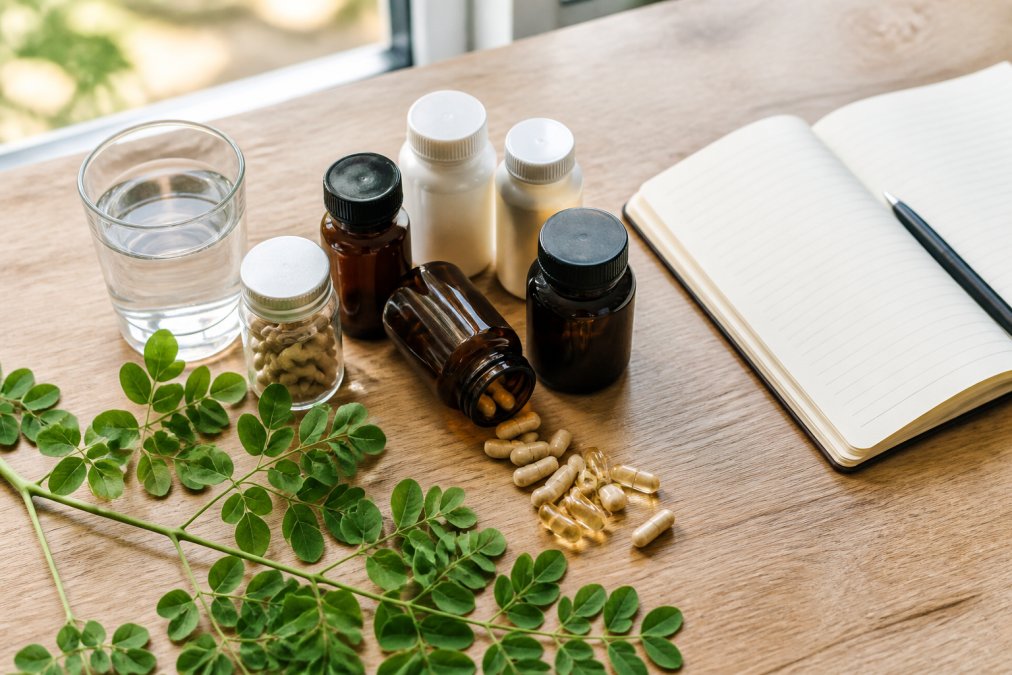
Natural supplements for energy work best when they address a specific gap: a nutrient deficiency, chronic stress, or poor sleep. They are not stimulants, and they are not a replacement for food, water, or rest.
| Supplement | Primary Role | Best For | Typical Form |
|---|---|---|---|
| Vitamin B-12 Complex | Cellular energy and red blood cell support | Plant-based diets, adults over 50 | Capsule |
| Rhodiola Rosea | Stress response and mental clarity | High-pressure workdays | Capsule |
| Shilajit + Ashwagandha | Mineral support and stamina | Fatigue with low resilience | Capsule or resin |
| Moringa Leaf | Whole-food micronutrients | Daily nutritional gaps | Capsule or powder |
| Maca + Tongkat Ali | Endurance and physical drive | Training and active routines | Capsule |
| Caffeine Strips | Fast, measured alertness | Driving, travel, deadlines | Dissolvable strip |
A common mistake is stacking five products at once and blaming the wrong one when something feels off. Add one supplement at a time, give it two to three weeks, and keep notes.
How to Choose Safe Wellness Supplements
Safety comes down to three checks: independent testing, an accurate ingredient label, and a conversation with your doctor about anything you already take. Skip any of those and you are guessing.
Watch for these red flags:
- Proprietary blends that hide individual doses
- Claims about curing disease
- No contact information or lot number
- Prices that undercut every competitor by an implausible margin
- "Detox" or "adrenal reset" language with no ingredient breakdown
Dosage ranges that show up most often
Exact dosing depends on the form and your body, but these ranges appear repeatedly in the clinical literature and on reputable labels:
- Vitamin B-12: 500-1,000 mcg daily for a maintenance dose; higher under a doctor's supervision for a confirmed deficiency
- Rhodiola rosea: 200-600 mg daily of a standardized extract, usually in the morning
- Ashwagandha: 300-600 mg daily of a root extract standardized to withanolides
- Magnesium: 200-400 mg daily of elemental magnesium, with glycinate and citrate better absorbed than oxide
- L-theanine: 100-200 mg, often paired 1:1 or 2:1 with caffeine
- Caffeine: 50-200 mg per dose for most adults; the FDA cites 400 mg per day as a level not generally associated with negative effects
Contraindications and medication interactions
This is the part most energy-supplement guides skip, and it is the part that matters most if you take prescription medication.
- Adaptogens (ashwagandha, rhodiola): can interact with thyroid medication, blood pressure drugs, sedatives, and antidepressants. Ashwagandha in particular has been linked to thyroid hormone changes and, in rare cases, liver concerns.
- Shilajit: may contain heavy metals depending on sourcing, and can interact with blood thinners. Fulvic acid can also affect how some drugs are absorbed.
- Tongkat ali: not appropriate during pregnancy or breastfeeding, and may affect hormone-sensitive conditions.
- Caffeine: interacts with stimulants, some antibiotics, and certain asthma medications. If you have an arrhythmia or uncontrolled blood pressure, treat it as off-limits until cleared.
- Iron: do not supplement without a confirmed deficiency. Excess iron is genuinely harmful, and it competes with calcium and some antibiotics for absorption.
Vitamin B-12 Complex: Foundational Support for Cellular Energy
B-12 is the nutrient most directly tied to energy metabolism. It helps convert food into usable cellular energy and supports red blood cells that carry oxygen to your tissues.
Rhodiola Rosea: Adaptogen for Stress and Mental Clarity
Rhodiola is an adaptogen, meaning it helps the body manage stress rather than simply masking fatigue. It is best known for supporting mental clarity during demanding work.
Shilajit and Ashwagandha: Mineral-Rich Energy and Stamina
Shilajit is a mineral-rich resin traditionally used to support stamina and overall wellness. Ashwagandha is an adaptogen associated with adrenal support and a calmer stress response. Together they target the fatigue that comes from running on empty for weeks.
STIM Energy Strips, 50mg Caffeine →
Moringa Leaf: Whole-Food Concentrate for Daily Vitality
Moringa is a whole-food concentrate, which means it delivers a spread of micronutrients rather than one isolated compound. That makes it a practical base layer for people who know their diet has gaps.
Maca and Tongkat Ali: Natural Fuel for Endurance
Maca and tongkat ali are root-based supplements associated with physical performance, endurance, and circulation. They suit active people who want support for training and daily drive rather than a mental edge.
Vitamins for Energy and Focus: Pairing Nutrients for Mental Clarity
The best results come from pairing nutrients that support each other, and from knowing which ones fight each other. Vitamins for energy and focus work better as a small, deliberate stack than as a shelf of random bottles. This is the part most guides skip: stacking is not just about adding more, it is about timing and absorption.
Pairings that work, and why
- Caffeine + L-theanine: the most studied pairing on this list. Caffeine blocks adenosine receptors to keep you alert; L-theanine promotes alpha-wave activity for calm focus. Together they tend to smooth out the jittery edge of caffeine without blunting the alertness. A common ratio is 1:1 or 2:1 (for example, 100 mg caffeine with 100-200 mg L-theanine).
- B-12 + folate (and B-6): these three support the same methylation and red-blood-cell pathways. B-12 without adequate folate can mask a deficiency rather than fix it, which is why a B complex usually beats a standalone B-12.
- Magnesium + ashwagandha: magnesium supports relaxation and sleep architecture; ashwagandha helps regulate the cortisol response. Taken in the evening, the pair targets the recovery side of energy rather than the stimulation side.
- Rhodiola + L-theanine: a stimulant-free focus stack for people who cannot tolerate caffeine. Rhodiola supports stress resilience; L-theanine keeps the mental edge clean.
- Vitamin D + magnesium: magnesium is a cofactor in vitamin D metabolism, so low magnesium can blunt the benefit of vitamin D. This matters most in winter and for people who spend little time outdoors.
Pairings that compete
- Iron + calcium: they compete for the same absorption pathway. Separate them by at least two hours.
- Zinc + copper: long-term high-dose zinc without copper can deplete copper. Look for a formula that includes both.
- Caffeine + iron: caffeine reduces non-heme iron absorption. If you are treating a deficiency, take iron away from coffee and tea.
- Calcium + magnesium: at high doses they compete. Many people split them, magnesium at night, calcium with a meal.
- Fat-soluble vitamins (A, D, E, K) + an empty stomach: they need dietary fat to absorb. Take them with a meal that contains some fat.
Timing beats dosage
A common pattern is that people take everything at once in the morning and wonder why nothing works. A more useful default:
- Morning: B complex, rhodiola, caffeine (if you use it)
- Midday: vitamin D with a meal containing fat
- Evening: magnesium, ashwagandha, L-theanine
Frequently Asked Questions
How can I boost my energy levels naturally?
Start with foundational habits: hydration, consistent sleep, and balanced meals. For a targeted boost, natural supplements for energy like Vitamin B-12 Complex support cellular energy production, while adaptogens such as rhodiola help your body manage stress that drains energy. Whole-food options like moringa provide micronutrients that support metabolic rate. Pairing these with adequate water intake and regular movement often produces the most noticeable results.
What supplements should I take if I'm constantly tired?
Persistent tiredness can stem from nutrient deficiency, stress, or poor sleep. A Vitamin B-12 Complex addresses energy homeostasis and red blood cell formation. Rhodiola Rosea Capsules support mental clarity and stress response. Shilajit with ashwagandha provides minerals and adrenal support. Before starting any regimen, consult a healthcare provider to rule out underlying conditions, and introduce one supplement at a time to gauge how you respond.
Are natural energy supplements safe for daily use?
Most natural supplements for energy levels are safe for daily use when taken as directed. However, some ingredients can interact with medications or cause energy supplement side effects. For example, stimulant-free options like rhodiola and B vitamins are generally well tolerated, while caffeine-containing products like energy strips should be limited. Always check labels for dosage, look for third-party testing, and consult your doctor if you take prescription medications or have a health condition.
How long does it take for energy supplements to work?
Timing varies by ingredient. B vitamins and caffeine can produce effects within 30 to 60 minutes. Adaptogens like rhodiola and ashwagandha typically require two to four weeks of consistent use to support stress response and energy levels. Whole-food concentrates such as moringa build up micronutrients gradually. For best results, take supplements consistently and track your energy patterns to identify what works for your body.
Do natural energy boosters have side effects?
Yes, some can. Energy supplement side effects may include jitteriness from caffeine, digestive upset from certain herbs, or interactions with medications like blood thinners. Rhodiola may cause drowsiness in some people, while shilajit can interact with blood pressure drugs. To minimize risks, start with a low dose, avoid stacking multiple stimulants, and review the label for contraindications. If you experience adverse effects, stop use and consult a healthcare provider.
Low energy rarely has a single cause, and it rarely has a single fix. The smartest approach is to correct the basics first, then add targeted support that matches your specific gap. Green Vitality USA makes that easier with a curated range of energy supplements, affordable pricing, and a fast, straightforward shopping experience that delivers to your door. Browse the collection, pick one supplement to start with, and give it time to work.