 listicle
Best Plant-Based Anti-Aging Serums: 2026 Guide
Table of Contents
- What Makes Plant-Based Anti-Aging Serums Different
- Key Active Ingredients in Plant-Based Anti-Aging Serums
- Top Plant-Based Anti-Aging Serums Reviewed
- DR-MEINAIER Licorice Root Facial Serum: Best for Brightening and Wrinkle Reduction
- OUHOE Vitamin C Face Serum: Best for Fine Lines and Skin Firmness
- Jaysuing Rosehip Facial Oil: Best for Natural Hydration and Elasticity
- TEQUEIA Blue Copper Peptide Soothing Serum: Best for Barrier Repair and Longevity
- Hoygi Nourishing and Firming Face Essence: Best for Skin Elasticity and Hydration
- Best Hydrating Serum for Sensitive Skin
- Bakuchiol Serum for Fine Lines: Plant-Based Retinol Alternatives
- How to Layer Face Serum with Moisturizer
- Realistic Timelines and Evidence for Plant-Based Anti-Aging Results
- Vegan vs. Plant-Based: What You Should Know
- Frequently Asked Questions
Last Updated: October 10, 2026
What Makes Plant-Based Anti-Aging Serums Different
Plant-based anti-aging serums deliver results through botanical ingredients and natural compounds rather than synthetic chemicals, combining proven actives like vitamin C, hyaluronic acid, and retinol alternatives with plant extracts that support skin elasticity and reduce fine lines.
Plant-derived formulations rely on botanical extracts, plant oils, and herbal antioxidants that work with your skin's natural biology, delivering gentler results on sensitive skin while improving firmness, hydration, and skin texture.
Plant-based serums focus on nourishing the skin barrier with superfruit extracts, rosehip oil, and aloe, ingredients that soothe while they brighten, ideal for anti-aging without irritation.
Key Active Ingredients in Plant-Based Anti-Aging Serums
Botanical Extracts and Antioxidants
Botanical extracts protect skin from oxidative stress and support natural repair. Licorice root brightens skin tone and reduces age spots, while green tea extract delivers powerful antioxidants against environmental damage.
Herbal antioxidants neutralize free radicals that accelerate aging. Superfruit extracts like pomegranate and goji berry provide polyphenols that support firmness and radiance, while centella asiatica soothes inflammation and strengthens the skin barrier.
Botanical ingredients multitask: rosehip oil improves fine lines, balances moisture, and enhances elasticity without the irritation of synthetic actives.
Retinol Alternatives and Plant-Derived Peptides
Bakuchiol serum for fine lines delivers anti-aging results without retinoid sensitivity, stimulating collagen production and cell turnover while remaining safe for daytime use.
Plant-derived peptides signal skin to produce more collagen and elastin. Matrixyl and similar complexes support firmer-looking skin through consistent use over weeks.
Peptide serums target declining collagen by supporting natural production, addressing wrinkles and firmness loss. Many combine peptides with botanical extracts for synergistic results.
Hyaluronic Acid and Natural Hydration
Hyaluronic acid holds up to 1000 times its weight in water, penetrating skin to plump fine lines and create a smoother, more radiant appearance.
Plant oils like avocado and rosehip create a protective film locking in moisture, while aloe vera soothes and hydrates sensitive skin without heaviness.
Dehydrated skin shows fine lines more prominently. Restoring moisture at multiple layers creates a plumping effect that reduces wrinkles, making hydration essential in anti-aging routines.
Top Plant-Based Anti-Aging Serums Reviewed
| Product | Price | Best For | Key Ingredients |
|---|---|---|---|
| DR-MEINAIER Licorice Root Facial Serum | $20.62 | Brightening and wrinkle reduction | Licorice root, botanical extracts |
| OUHOE Vitamin C Face Serum | $12.49 | Fine lines and skin firmness | Vitamin C, antioxidants |
| Jaysuing Rosehip Facial Oil | $12.49 | Natural hydration and elasticity | Rosehip oil, plant oils |
| TEQUEIA Blue Copper Peptide Soothing Serum | $32.25 | Barrier repair and longevity | Blue copper peptides, plant actives |
| Hoygi Nourishing and Firming Face Essence | $12.49 | Skin elasticity and hydration | Hyaluronic acid, peptides |
DR-MEINAIER Licorice Root Facial Serum: Best for Brightening and Wrinkle Reduction
The DR-MEINAIER Licorice Root Facial Serum ($20.62) brightens and reduces fine lines.
Apply after cleansing and before moisturizer for daily use.
OUHOE Vitamin C Face Serum: Best for Fine Lines and Skin Firmness
The OUHOE Vitamin C Face Serum ($12.49) lightens fine lines and tightens facial skin.
At $12.49, it's affordable. Apply 2-3 drops to clean skin and allow to absorb before moisturizer.
Jaysuing Rosehip Facial Oil: Best for Natural Hydration and Elasticity
The Jaysuing Rosehip Facial Oil ($12.49) can improve fine lines caused by skin dryness, balance the skin`s moisture and oil, gently soothe the skin, nourish and moisturize, build a protective film for the skin, and enhance skin elasticity.
Apply daily after cleansing and toning, pressing gently into the face with circular motions.
TEQUEIA Blue Copper Peptide Soothing Serum: Best for Barrier Repair and Longevity
The TEQUEIA Blue Copper Peptide Soothing Serum ($32.25) is a dual-phase barrier repair essence for skin longevity.
Apply to clean skin and dab gently.
Hoygi Nourishing and Firming Face Essence: Best for Skin Elasticity and Hydration
The Hoygi Nourishing and Firming Face Essence ($12.49) contains Oligopeptide-1, Hyaluronic Acid, and Conotoxin. It can form a breathable water film, replenish moisture, lock in more hydration, leaving the skin surface moist and the skin base firm and bright, allowing water to penetrate to the bottom of the muscle. It also provides moisturizing and hydration, smoothing fine lines.
Apply after cleansing and before moisturizer. The essence absorbs quickly and creates a hydrated base for the rest of your routine.
Best Hydrating Serum for Sensitive Skin
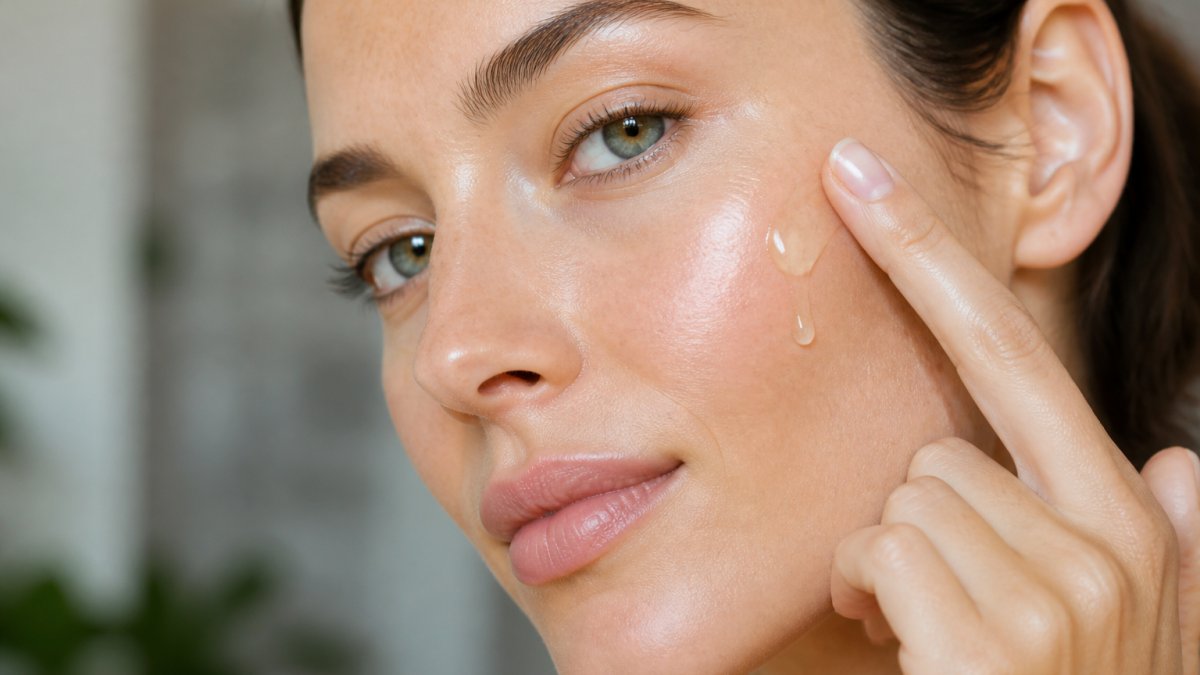
For sensitive skin, hydration without irritation is important. Hydrating serums can pair hyaluronic acid with soothing plant extracts like aloe, centella asiatica, or oat amino acids. These ingredients can restore moisture while calming inflammation and strengthening the skin barrier.
Avoid serums with high concentrations of essential oils or alcohol, which can trigger sensitivity. Instead, look for formulations that emphasize botanical extracts and peptides. The Hoygi Nourishing and Firming Face Essence, for example, includes Oligopeptide-1, Hyaluronic Acid, and Conotoxin.
When introducing any new serum to sensitive skin, patch test first. Apply a small amount to your inner arm or behind your ear and wait 24 hours. If no redness or itching occurs, it's likely safe for your face. Start with 2-3 times per week, then gradually increase to daily use as your skin adapts.
Only Supports Self Pickup With Waybill DR-MEINAIER Licorice Root Facial Serum →
Bakuchiol Serum for Fine Lines: Plant-Based Retinol Alternatives
Bakuchiol serum for fine lines delivers retinol-like results without retinol's irritation. Bakuchiol is a plant-derived compound that stimulates collagen production and cell turnover, smoothing wrinkles and improving skin texture.
The mechanism is elegant: bakuchiol signals your skin to produce more collagen and elastin, the proteins responsible for firmness and elasticity.
Bakuchiol pairs well with other plant-based ingredients. Combining it with hyaluronic acid and plant oils creates a comprehensive anti-aging routine that addresses fine lines, hydration, and barrier health simultaneously.
How to Layer Face Serum with Moisturizer
Proper layering maximizes serum effectiveness and prevents pilling or waste. The golden rule: apply serums to clean, damp skin, then seal with moisturizer. This order allows actives to penetrate while the moisturizer locks everything in.
Here's the step-by-step approach:
- Cleanse your face and pat it nearly dry, leave skin slightly damp
- Apply your chosen serum (vitamin C, rosehip oil, peptide essence, or bakuchiol) using 2-3 drops
- Gently massage in circular motions or press the serum into your skin with your fingertips
- Wait 30-60 seconds for the serum to absorb
- Apply your moisturizer while skin is still slightly damp
- Press the moisturizer in gently to seal the serum beneath
The key is timing. If you apply moisturizer too quickly, the serum doesn't penetrate fully. If you wait too long, your skin dries out and the moisturizer can't seal properly. Thirty to sixty seconds is the sweet spot.
For oil-based serums like rosehip, use less moisturizer or skip it entirely if your skin is oily. Oil serums are occlusive, they create a protective barrier on their own. Pairing them with heavy moisturizer can lead to congestion.
If you use multiple serums, apply them in order of thickness: lightest first, heaviest last. Vitamin C serum, then peptide essence, then rosehip oil, then moisturizer. This prevents the heavier products from blocking lighter ones.
Realistic Timelines and Evidence for Plant-Based Anti-Aging Results
Plant-based anti-aging serums require patience. Most active ingredients need consistent daily use before visible results appear.
Hyaluronic acid can provide plumping and improved hydration. Vitamin C and botanical extracts can show results. Peptides and retinol alternatives like bakuchiol can take longer because they work by stimulating collagen production rather than providing immediate plumping.
Consistency matters. Your skin needs consistent exposure to actives to trigger the biological changes that reduce fine lines and improve elasticity.
Individual results vary based on starting point, age, genetics, and overall skincare routine. Sun protection and moisturization can amplify serum results.
Plant-based actives like vitamin C, hyaluronic acid, and peptides can reduce fine lines and improve skin firmness when used consistently.
Vegan vs. Plant-Based: What You Should Know
Many people use "vegan" and "plant-based" interchangeably, but they mean different things in skincare. Understanding the distinction helps you choose serums aligned with your values and skin needs.
Plant-based means the active ingredients come from plants, vitamin C from kakadu plums, peptides from plant sources, oils from seeds and fruits. A plant-based serum may still contain animal-derived ingredients like beeswax, lanolin, or carmine (crushed beetles used for color). Plant-based focuses on ingredient sourcing, not ethics.
Vegan means zero animal-derived ingredients at any stage. No beeswax, no lanolin, no carmine, no honey, no shellac. Vegan serums are also cruelty-free certified, meaning no animal testing. A vegan serum is always plant-based, but a plant-based serum is not always vegan.
For skincare efficacy, both approaches work equally well. The difference is ethical and philosophical. If you prioritize avoiding animal products entirely, choose vegan serums with Leaping Bunny certification. If you focus on plant-derived actives but don't object to beeswax or lanolin, plant-based serums offer more options.
When shopping, check the ingredient list for animal-derived components and look for certifications that verify claims.
Frequently Asked Questions
What ingredients should I look for in a plant-based anti-aging serum?
Look for botanical antioxidants like licorice root and rosehip oil. Hyaluronic acid can provide deep hydration, while peptides and plant-derived retinol alternatives (like bakuchiol) can support firmness and skin elasticity. Vitamin C serums can offer antioxidant protection and help smooth wrinkles.
Do plant-based serums actually work for wrinkles and fine lines?
Yes, but results depend on ingredient strength and consistency. Plant-based serums with vitamin C, peptides, and hyaluronic acid can show improvements in fine lines when used daily. Botanical extracts like licorice root can brighten and support firmness. Realistic expectations: softening of fine lines and improved skin texture.
How do I know if a plant-based serum is right for my sensitive skin?
Patch test first on your inner arm or jawline for 24 hours. Sensitive skin can respond well to serums with soothing plant ingredients like centella asiatica and aloe, paired with hyaluronic acid for hydration. Avoid high concentrations of vitamin C or active botanical extracts if you have reactive skin. Start with 2-3 times per week and gradually increase frequency. If redness, stinging, or irritation occurs, discontinue use.
What's the difference between vegan and plant-based serums?
Plant-based means the active ingredients come from plants, oils, extracts, peptides derived from botanical sources. Vegan means no animal-derived ingredients at all, including honey, beeswax, or carmine. A serum can be plant-based but not vegan if it contains animal by-products. Always check the label for certifications if cruelty-free sourcing matters to you.
How do I layer plant-based serums with my moisturizer?
Apply serum to clean, slightly damp skin first, this helps ingredients penetrate deeper. Wait 1-2 minutes for the serum to absorb, then apply your moisturizer to lock in hydration. If using multiple serums, apply lighter textures (water-based) before heavier ones (oils). Always follow with SPF during the day. At night, you can use a richer moisturizer or face oil on top to seal the serum and maximize overnight repair.
Finding the right plant-based anti-aging serum depends on your specific skin concerns and budget. Whether you're targeting fine lines, loss of elasticity, or dehydration, Green Vitality USA offers curated serums with proven plant actives at affordable prices. Start with a serum that addresses your primary concern, use it consistently for 6-8 weeks, and adjust your routine based on results. Shop now to discover which plant-based anti-aging serum works best for your skin.